
Highlights
- Donald Trump defended his push to end birthright citizenship.
- He said the law was meant for “babies of slaves.”
- Trump urged the Supreme Court to support his executive order.
- Lower courts blocked the order as unconstitutional.
- The case is a major part of Trump’s immigration agenda.
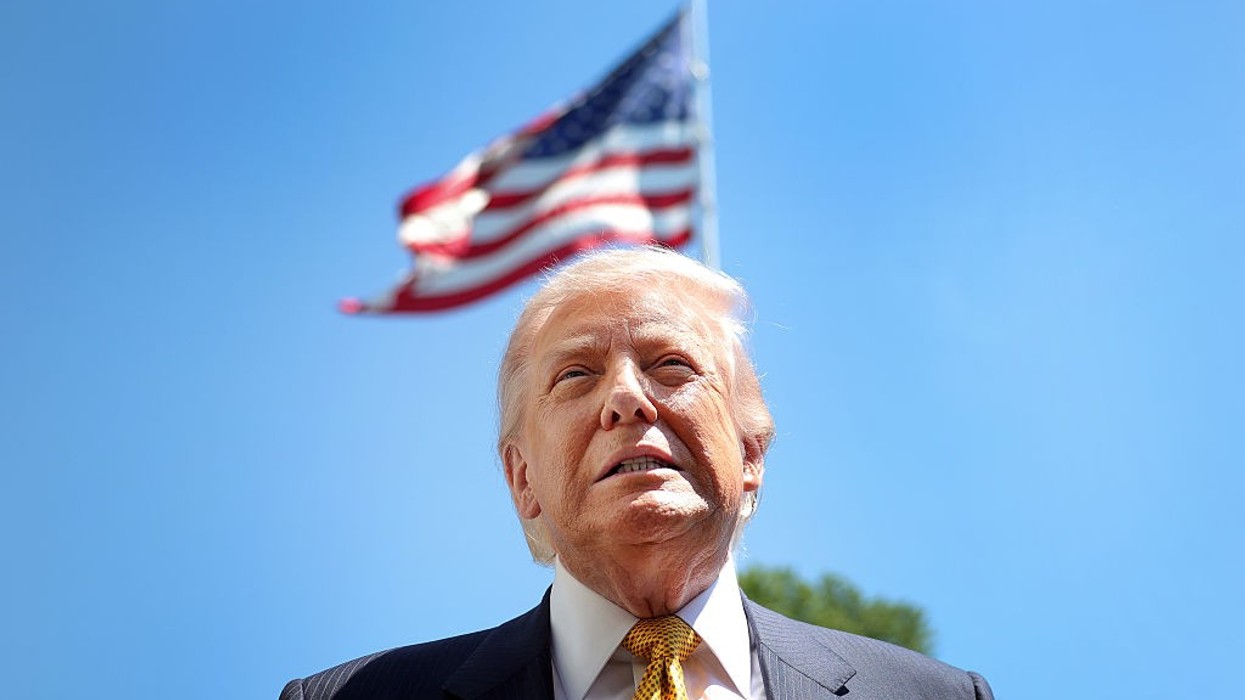
US President Donald Trump has renewed his campaign against birthright citizenship ahead of an important Supreme Court hearing on the issue. Speaking at a White House press conference on Thursday, Trump said birthright citizenship was originally intended for “babies of slaves” and not “Chinese billionaires.”
“We are the only country in the world that has it [birthright citizenship]. You step in our country and all of a sudden you’re citizen — this was not meant for Chinese billionaires — this was meant for the babies of slaves,” Trump said during the event.
Trump also warned that it would be a “disgrace” if the Supreme Court ruled against his administration in the ongoing legal fight over the policy.
Trump pressures supreme court
During the White House event, Trump continued to push for the Supreme Court to support his effort to end automatic citizenship for some children born in the United States. His administration has argued that the current interpretation of birthright citizenship encourages illegal immigration and creates economic pressure on the country.
At the same time, Trump suggested that he believes the court could still rule against him. “This decision by the Supreme Court is a very big one. They’ll probably rule against me because they seem to like doing that,” he said.
Trump called the issue one of the most important cases before the court. He also said that if birthright citizenship continues in its current form, it would become an “economic disaster” for the United States.
The Supreme Court has not yet announced when it will deliver its judgment. The decision is expected before the end of the court’s current term.
Trump has repeatedly criticized Supreme Court judges in public, breaking from long-standing political traditions. He has also openly called for support from judges he appointed during his first term in office.
“It’s all up to a couple of people, and I hope they do what’s right,” Trump said, referring to possible swing votes among the justices.
What the legal case is about
The legal dispute started after Trump returned to the White House last year and signed an executive order targeting birthright citizenship. Under the order, children born in the United States to undocumented immigrants or people holding temporary visas would no longer automatically receive American citizenship.
Several lower courts later blocked the order. Judges ruled that the executive action was unconstitutional and said the Citizenship Clause of the 14th Amendment guarantees citizenship to nearly everyone born on American soil.
Critics of Trump’s policy say birthright citizenship is clearly protected by the Constitution. They also argue that the president does not have the authority to change the interpretation of the 14th Amendment through an executive order.
The case has become one of the central legal battles connected to Trump’s larger immigration agenda. His administration has focused heavily on tightening immigration controls and increasing deportations of undocumented migrants.
Earlier on April 1, Trump attended a hearing linked to the birthright citizenship case. He became the first sitting US president to appear in the audience during such court proceedings.
Conservative court faces major decision
The Supreme Court currently has a conservative majority after Trump appointed three justices during his first term as president. Those appointments significantly reshaped the ideological balance of the court.
However, the court has not always ruled in Trump’s favor. Conservatives hold most of the seats on the nine-member bench, but the justices have sometimes rejected Trump administration policies.
Earlier this month, Trump criticized the Supreme Court after it ruled that his broad tariff measures against several countries were unlawful.
Trump has previously argued that Supreme Court justices should remain “loyal to the person that appointed them.”
The birthright citizenship case is now seen as one of the biggest legal tests of Trump’s immigration policies since returning to office. The ruling could have major implications for immigration law and constitutional interpretation in the United States.
The Supreme Court’s decision is expected soon as the justices approach the end of their current term.