

The latest study published in JAMA (Journal of the American Medical Association) reveals that the health of America's children has significantly worsened across several key indicators since 2007.
A child in the US was 15% to 20% more likely to develop a chronic condition in 2023 than in 2011. They are increasingly diagnosed with conditions such as depression, anxiety, sleep apnea, and obesity. Rates of autism, behavioral problems, developmental delays, and attention-deficit hyperactivity disorder (ADHD) have also risen.
Issues such as poor sleep, limited physical activity, early-onset menstruation, and loneliness also increased among the study population. Dr. Christopher Forrest notes that children today are present with chronic conditions more frequently than when he began his career 25 years ago. He notes anecdotally that more children are now visiting hospitals and primary care clinics with chronic conditions.
"They just seem to be sicker. And it turns out they are," says Forrest, a professor of pediatrics at the Children's Hospital of Philadelphia. He adds, "I think the overall message is that children's health in the United States has been declining for almost two decades." He says the researchers consulted eight comprehensive data sets, including nationally representative surveys and millions of electronic pediatric health records.
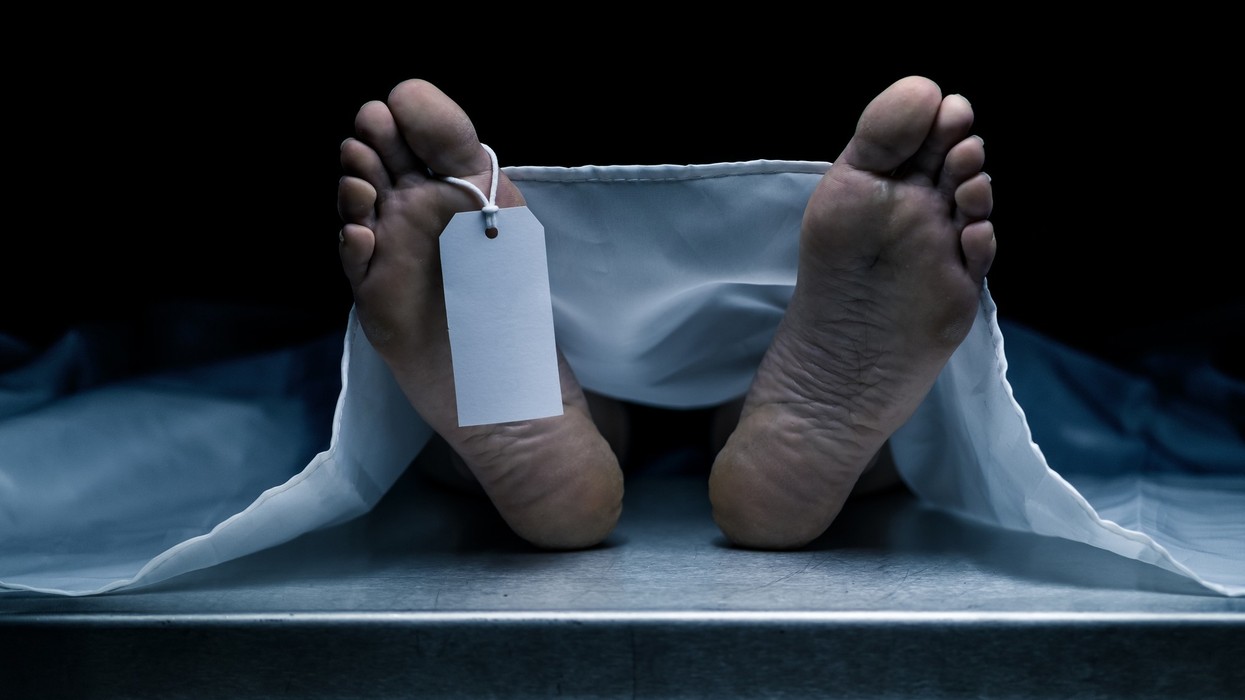
These disparities in mortality were driven largely by sudden-unexpected infant death and prematurity, whereas in older children and adolescents, the gap was fueled by gun violence, motor-vehicle crashes and substance abuse. The authors also found that in 2020, firearm mortality overtook motor vehicle crashes as the leading cause of death in US youth.
Dr. Fredrick Rivara, a professor of pediatrics at the University of Washington, co-wrote an editorial that accompanied the new study in JAMA. He attributes the disparity to the lack of universal health care in the US, which is available in countries like Canada and the United Kingdom.










Katrina Kaif reacts to postpartum beauty comments, reveals her 'skin became sensitive' and 'feeling best matters more'