
Highlights:
- USCIRF accuses India of targeting Muslim citizens through voter deletions during the SIR exercise.
- The US panel calls for India to be designated a Country of Particular Concern over religious freedom.
- Amit Shah previously claimed that three crore deleted voters were Bangladeshi infiltrators.
- Opposition parties allege that 13 crore voters have been deliberately removed from electoral rolls.
- India has previously dismissed USCIRF assessments as biased and politically motivated.
India is facing fresh criticism from a US government religious freedom watchdog, which has accused New Delhi of targeting Muslim citizens during the Special Intensive Revision (SIR) of electoral rolls and called for the country to face potential US sanctions.
The US Commission on International Religious Freedom (USCIRF) alleged Thursday (19) that Muslim voters were being removed from electoral lists, labeled as foreigners and illegally deported. The commission also urged the US State Department to designate India as a "Country of Particular Concern" (CPC) over what it described as systematic and serious violations of religious freedom.
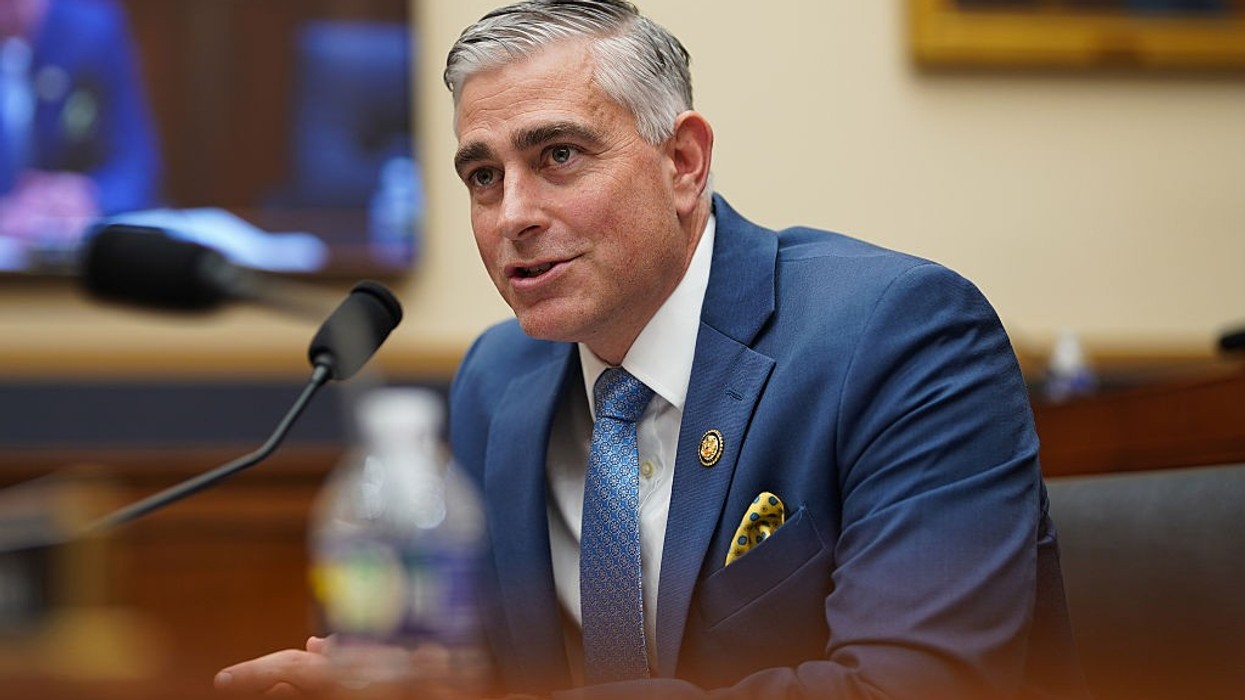
In a statement, USCIRF cited its chair, Asif Mahmood, who alleged that the Indian government was increasingly targeting Muslims through the voter roll revision exercise.
Mahmood also referred to Union Home Minister Amit Shah's earlier remarks describing Muslims as "infiltrators" who should be expelled from the country.
USCIRF raises concerns over Muslim voter deletions
The commission also quoted Commissioner Gene Mills, who described the alleged expulsion of Indian citizens based on their Muslim faith as a "shocking escalation" in measures targeting religious minorities.
The allegations come amid growing political controversy over the SIR exercise, which the Election Commission of India has undertaken to revise and verify electoral rolls across the country.
On November 2, Shah claimed that three crore voters removed from electoral rolls during the exercise were "Bangladeshi infiltrators."
Opposition parties have questioned the scale and manner of voter deletions, alleging that approximately 13 crore voters have been deliberately removed in areas where the revision has taken place.
However, these claims remain contested, and the USCIRF's allegations have not been independently established in the statement.
The commission has also recommended that the US government impose greater scrutiny on India's religious freedom record.
US panel renews call for India to face religious freedom scrutiny
USCIRF is an independent federal government agency responsible for monitoring religious freedom worldwide and making policy recommendations to the US government. Its recommendations are not binding on the State Department.
In its 2026 annual report, the commission had also recommended designating India as a Country of Particular Concern, citing what it described as "systematic, ongoing, and egregious" violations of religious freedom.
The Indian government has previously rejected the commission's assessments, describing them as biased and politically motivated.
India's Ministry of External Affairs has not yet responded to the latest allegations.
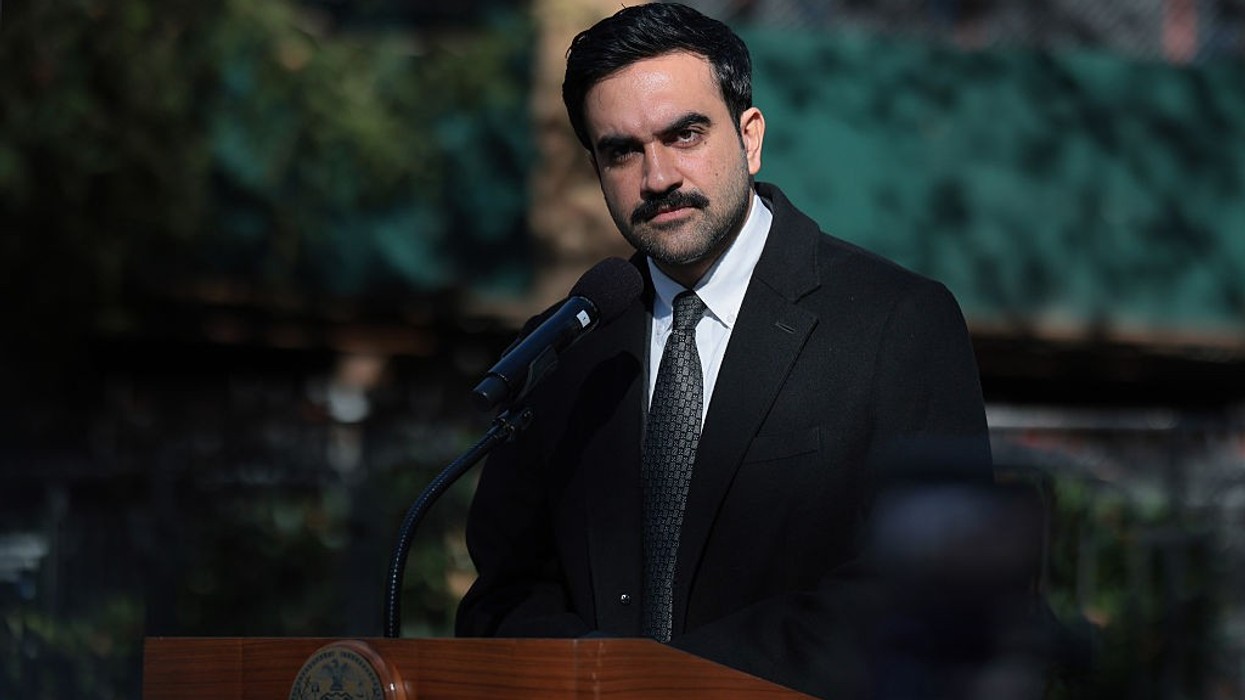
The diplomatic disagreement has also intensified over USCIRF's comments about jailed activist Sharjeel Imam. On November 14, India's ambassador to the US, Vinay Mohan Kwatra, criticized the commission, urging it to examine its own prejudices and stop lecturing other countries.
A day earlier, USCIRF had described Imam as a Muslim man detained in India for his religious freedom advocacy. Imam has been imprisoned for more than six years in connection with the 2020 Delhi riots conspiracy case under the Unlawful Activities (Prevention) Act (UAPA). The trial has yet to begin.
What is India's Special Intensive Revision exercise?
The SIR is an electoral roll revision exercise intended to verify voter records and update electoral lists.
The first phase was conducted in Bihar in 2025 before the exercise expanded to 12 states and Union Territories in its second phase, which began in late 2025 and continued into the first half of 2026. A third phase covering 19 states and Union Territories is currently underway.
The exercise has faced criticism from opposition parties and civil society groups, who have raised concerns that genuine voters could be wrongly excluded from electoral rolls.
The Supreme Court upheld the legality of the SIR exercise in May but clarified that the Election Commission cannot use the process to determine whether an individual is an Indian citizen.
Despite this distinction, concerns have emerged over the wider consequences of voter deletions. Some BJP-ruled states have reportedly cited SIR exclusions while taking action affecting ration cards and other welfare benefits. There have also been reports of individuals facing difficulties renewing passports after being removed from electoral rolls.
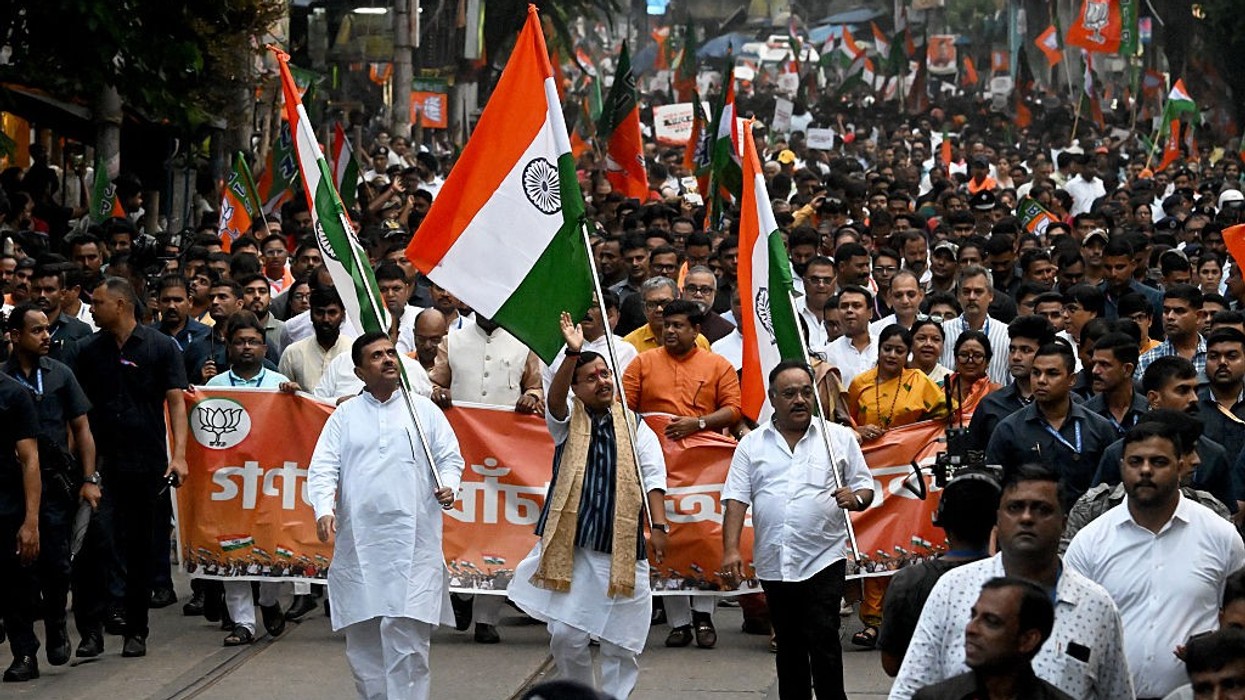
Nationwide protests have taken place since October 2, with demonstrators demanding the resignation of Chief Election Commissioner Gyanesh Kumar over alleged irregularities and concerns about the Election Commission's handling of the revision.
The latest USCIRF intervention adds an international dimension to the controversy, placing India's electoral process and treatment of religious minorities under renewed scrutiny in Washington.