
Highlights:
- US reportedly warned Iran of possible Israeli assassination plans.
- Two senior Iranian officials were said to be at risk.
- Intelligence allegedly prompted an emergency flight diversion.
- The warning came during sensitive US-Iran nuclear negotiations.
- Neither the US, Israel, nor Iran has confirmed the claims.
The United States reportedly warned Iran in April that Israel could try to assassinate two of the country's top officials during ongoing nuclear negotiations, according to a report by The New York Times. The report, which cited several current and former US officials, suggests that Washington shared sensitive intelligence with Tehran at a critical point in diplomatic talks.
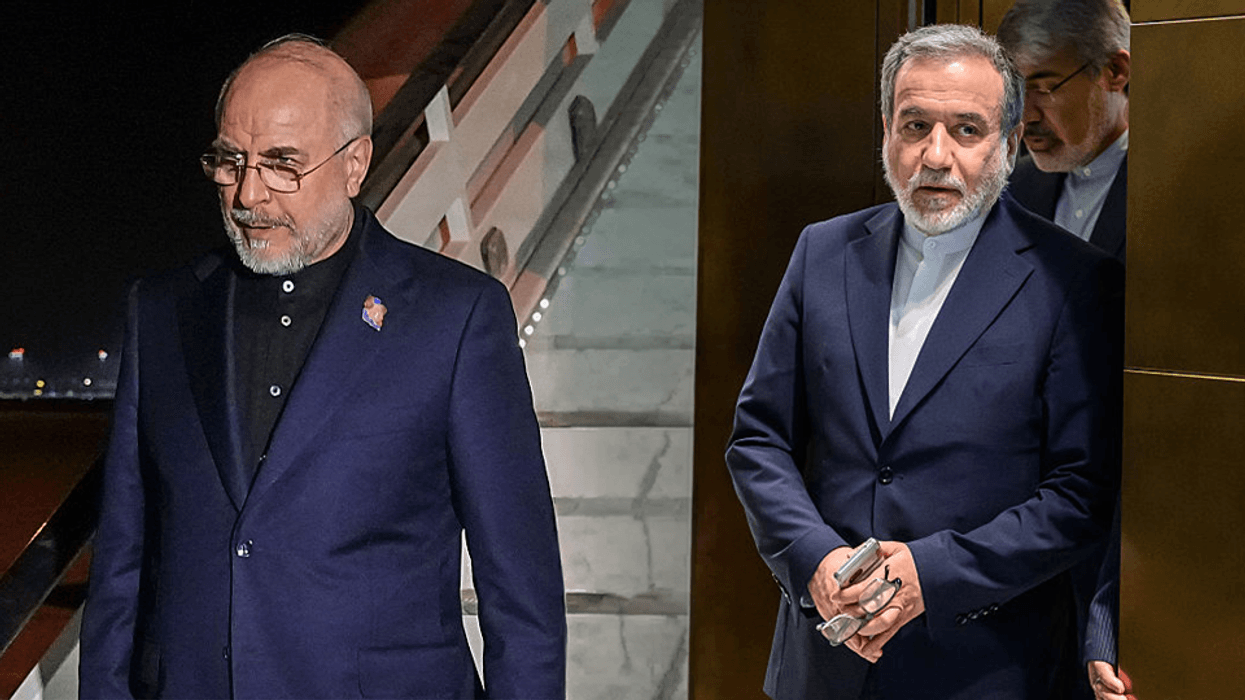
The warning reportedly involved Iranian foreign minister Abbas Araghchi and parliament speaker Mohammad Bagher Ghalibaf. Both officials were playing important roles in Iran's diplomatic efforts with the United States over its nuclear program. US officials reportedly believed Israel considered both men possible targets as part of its wider campaign against senior Iranian leaders.
The report said the warning came shortly after an April 8 ceasefire. At the time, Washington was trying to keep negotiations with Iran on track. US officials were reportedly concerned that any assassination attempt could destroy diplomatic progress and trigger a wider regional conflict.
According to the report, US intelligence suggested Israel was preparing to target Ghalibaf's aircraft while he was returning to Iran from Islamabad on April 12. Ghalibaf had reportedly traveled to Pakistan for discussions connected to indirect nuclear diplomacy involving US Vice President JD Vance.
US officials allegedly informed Iranian authorities that two Israeli fighter jets had entered Iranian airspace through Iraq and could attempt to intercept Ghalibaf's plane. Iranian officials reportedly passed the warning to the aircraft while it was in flight.
As a result, the plane reportedly changed its route and landed in Mashhad instead of its planned destination in Tehran. The emergency diversion was described as a precaution based on the intelligence shared by the United States.
The report also stated that some US officials believed Israel viewed the two Iranian leaders as legitimate military targets. The intelligence warning reflected concerns inside the US government that Israeli actions could seriously complicate ongoing diplomatic efforts with Iran.
The reported intelligence sharing also points to possible disagreements between Washington and Tel Aviv over how to deal with Iran. While Israel has consistently opposed negotiations with Tehran, the United States has continued to pursue diplomacy and discussions aimed at reaching a new understanding over Iran's nuclear program.
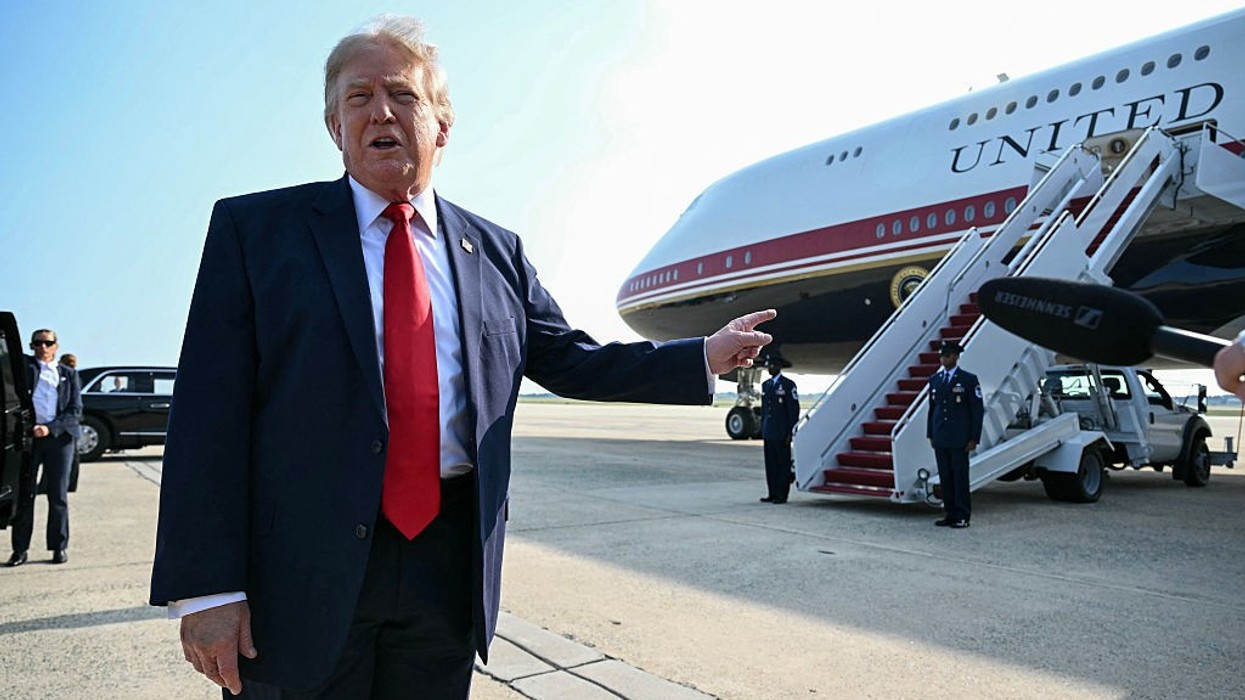
The report suggests these policy differences may have started months before recent public reports of tensions between US President Donald Trump and Israeli Prime Minister Benjamin Netanyahu.
Recent reports have indicated growing disagreements between the two leaders on several regional issues. These include Israel's military operations in southern Lebanon and the broader approach toward Iran. Trump has reportedly encouraged restraint in some cases, while Israel has continued its military campaigns.
Media reports based on leaked conversations have also claimed that Trump privately expressed frustration with Netanyahu over the direction of Israeli policy. Those reports have fueled speculation about increasing differences between the longtime allies.
Despite the claims in The New York Times report, none of the governments involved have publicly confirmed the alleged intelligence warning. The United States, Israel, and Iran have not officially acknowledged that Washington warned Tehran about possible Israeli assassination plans or the reported threat against Ghalibaf's flight.
If confirmed, the reported warning would represent an unusual moment of direct intelligence sharing between longtime adversaries during a period of highly sensitive nuclear negotiations.