
Highlights:
- Cinco de Mayo marks the Battle of Puebla, not Mexican Independence
- Celebrated widely in the US, but minor in Mexico
- Honors Mexican resilience against French forces in 1862
- Major US cities host parades, festivals, and cultural events
- Food, music, and dance define modern celebrations
Many Americans celebrate Cinco de Mayo, but fewer understand what the holiday actually represents. Contrary to common belief, it does not mark Mexico’s Independence Day, which is celebrated on September 16. Instead, Cinco de Mayo commemorates the Battle of Puebla, fought on May 5, 1862, when Mexican forces defeated a much larger and better-equipped French army.
This historic victory became a symbol of resilience and national pride in Mexico. However, the holiday is not widely celebrated across Mexico itself and remains a relatively minor observance there. In contrast, it has grown into a major cultural event in the United States, where it highlights Mexican-American heritage and identity.
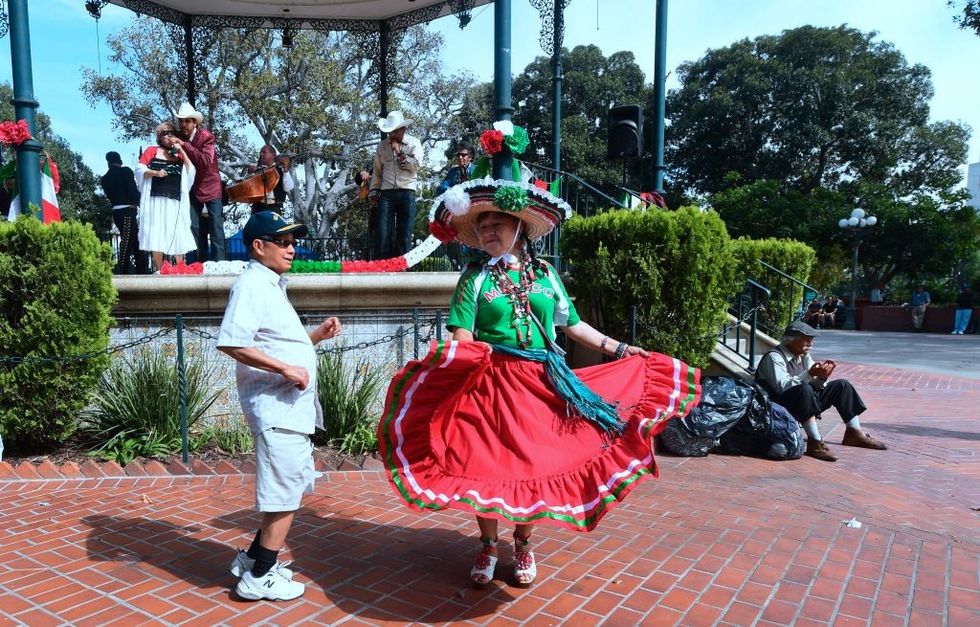 A couple dance during Cinco de Mayo celebrations at El Pueblo de Los Angeles Historical Monument in downtown Los Angeles, California on May 5, 2017.Getty Images
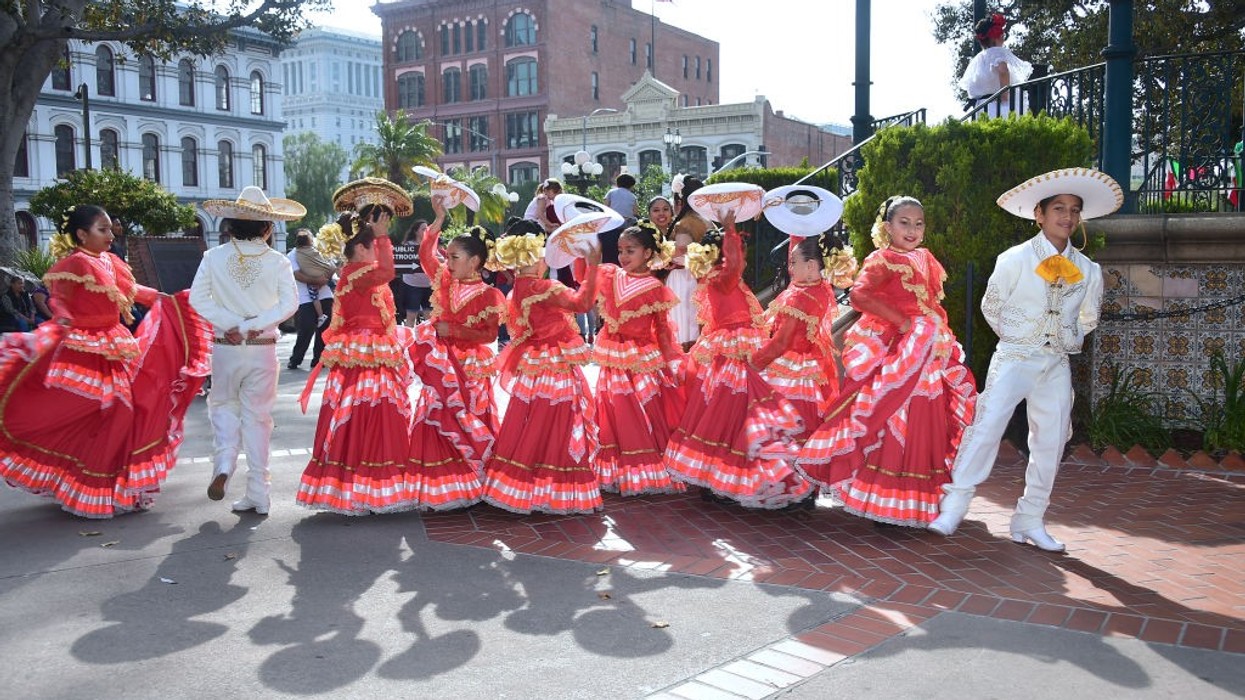
Across the US, Cinco de Mayo celebrations transform city streets into lively festivals. In 2026, events take place from May 2 through May 5, featuring parades, music, food, and cultural performances. Major cities such as Los Angeles, San Antonio, Denver, Phoenix, San Jose, Detroit, and Portland host large gatherings that attract thousands of people.
One of the biggest events is Fiesta Broadway in Los Angeles, recognized as the largest Cinco de Mayo celebration in the world. The 33rd annual festival took place on Sunday (26), in downtown Los Angeles, drawing large crowds for a full day of performances, food, and entertainment. A separate Cinco de Mayo Patio Celebration follows on May 5 with live music and dance.
Traditions play a central role in these celebrations. Parades, mariachi music, and ballet folklórico dancing are common, alongside traditional Mexican foods such as tacos, enchiladas, tamales, and mole poblano. Festivals also include live performances, cultural displays, and family-friendly activities, bringing communities together.
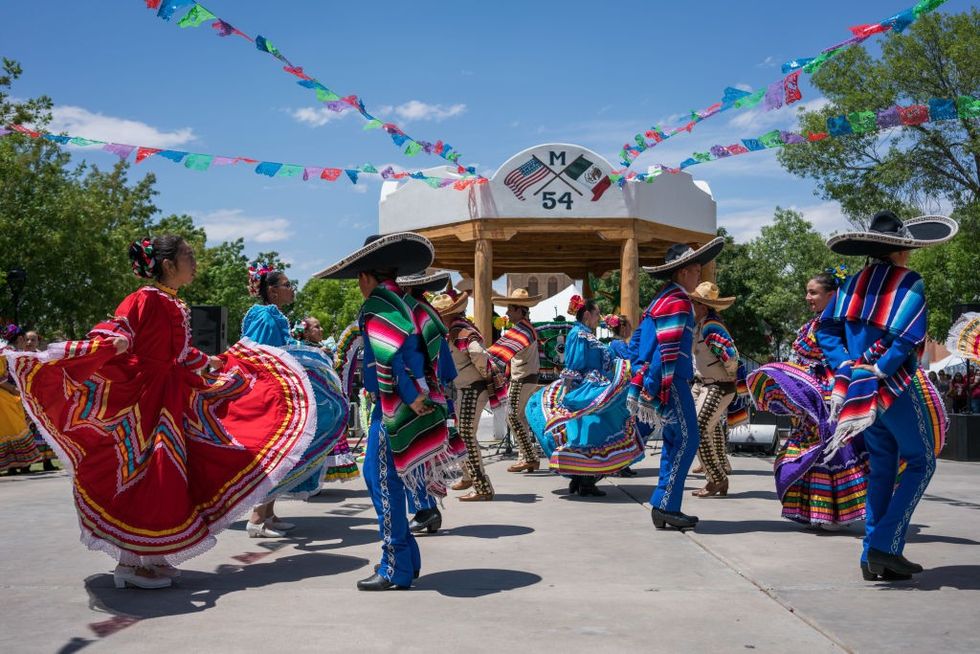 Ballet Folklorico de la Tierra del Encanto dancers entertain attendees during the Cinco De Mayo Fiesta on the plaza in Mesilla, New Mexico May 06, 2017.Getty Images
In the United States, Cinco de Mayo has evolved into more than a historical commemoration. It serves as a celebration of Mexican-American culture and shared heritage. The holiday gained popularity among Mexican Americans during the Civil War era and has continued to grow in significance over time.
While celebrations are widespread, the meaning of the holiday is often misunderstood. Its roots lie in a specific historical moment, yet its modern expression reflects cultural pride and community connection.
In 2026, celebrations continue to expand, with more cities hosting events and adding new cultural experiences. Free public festivals, improved organization, and broader participation make the holiday accessible to many. Some events also include virtual elements, extending their reach beyond physical locations.
Today, Cinco de Mayo in the United States blends history with modern cultural expression. It honors a past victory while creating space for celebration, identity, and community across generations.