Highlights:
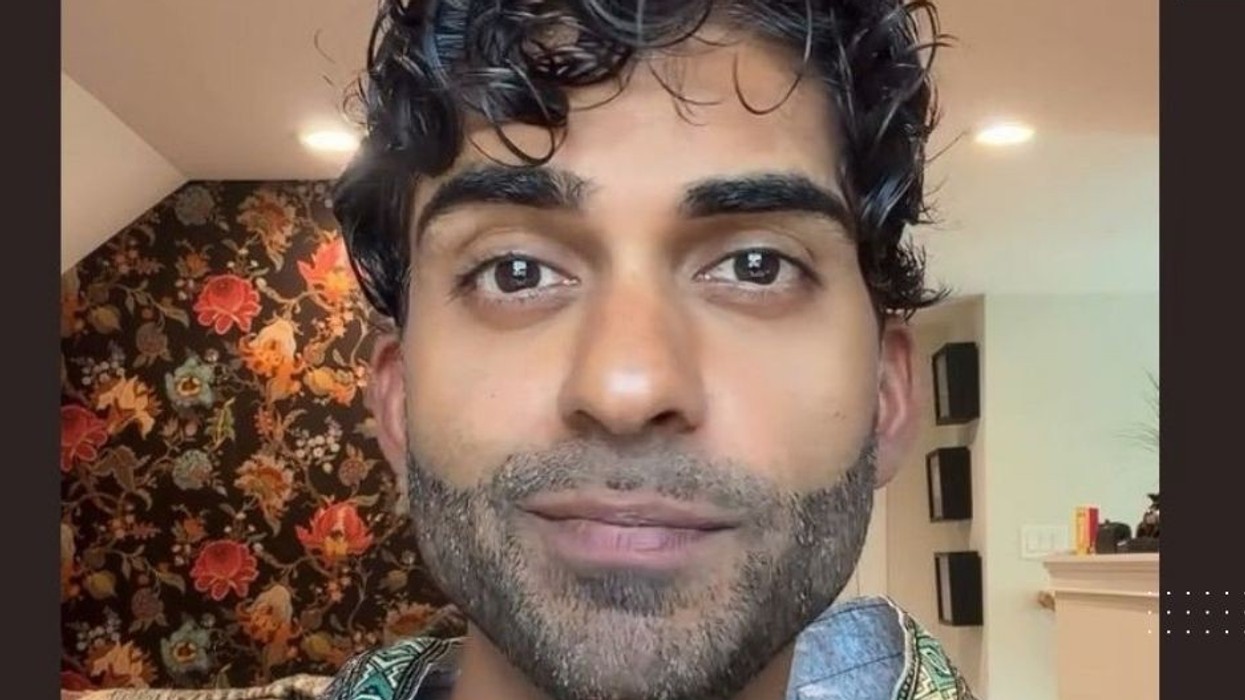
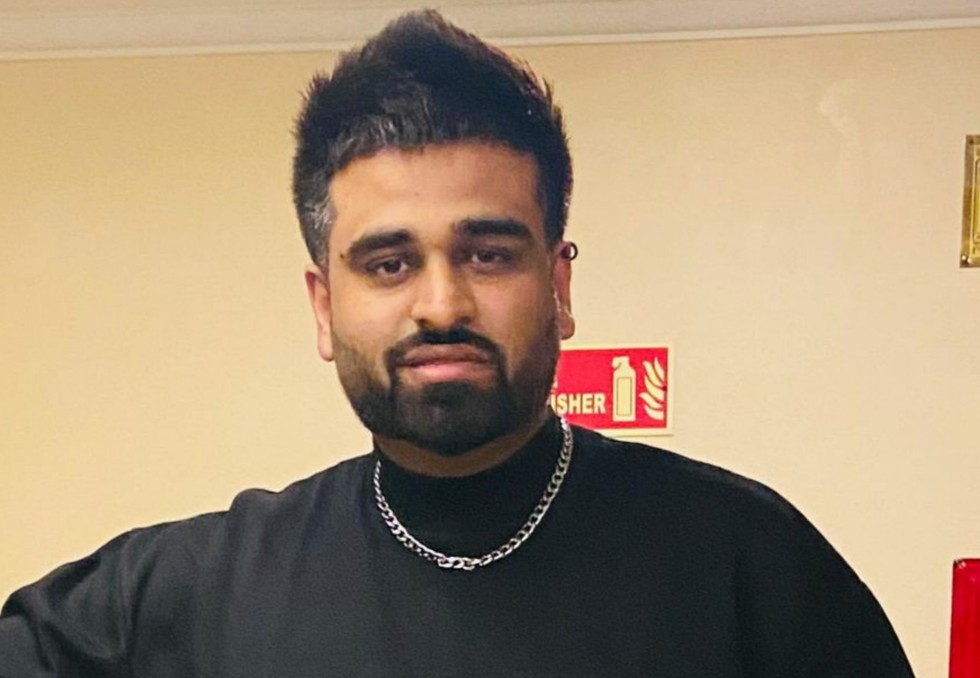
For Neal Bakshi, what should have been an ordinary journey home ended with an experience he says left him deeply unsettled.
The Indian-American author, entrepreneur and spiritual life coach says he was returning to the United States after a holiday in Greenland when he was pulled aside by border officers for additional questioning.
Bakshi, the son of Indian immigrants, was born and raised in the United States and is an American citizen. He was also enrolled in Global Entry, a program designed to make the entry process easier for trusted travelers.
Yet, he says, he was stopped anyway.
Bakshi acknowledged that additional screening was not entirely unfamiliar to him. What frightened and saddened him, however, was how different this encounter felt.
He said an officer told him he had been “randomly selected” for further questioning.
“The agents would not reveal to me why I was being taken to the back for processing until the very end of the encounter. They took me to a large waiting area where other people, only of colour, were waiting to be processed. The windowless room was lit with a sallow yellow light,”
Bakshi described the experience as something far more disturbing than an ordinary security check.
According to his account, he was taken to a large waiting area and later moved into a smaller room. He said the setting itself added to his distress, describing damaged seating and a bathroom without a lock.
For someone who was born and raised in America, the experience appeared to leave him confronting a painful question: why could returning home suddenly feel like being treated as a stranger?
“The cushions on the benches were ripped, and there was no lock on the bathroom door. In a smaller room, I was asked for every piece of personal information, interrogated about my affiliations to certain groups, and ultimately told that this was for my own safety,”
Bakshi said officers questioned him extensively about his personal information and affiliations.
The words “for my own safety” appear to have offered little comfort after what he described as an intimidating and degrading experience.
The incident also became more emotionally difficult when Bakshi said he overheard an officer questioning an elderly Hispanic woman nearby.
According to Bakshi, the officer told the woman to sit down and think about “what lie she would tell him next.”
For Bakshi, that moment seemed to deepen his concerns about the way some travelers may be viewed before they have even had the chance to explain themselves.
“While I'm sure some nefarious people are stopped with these tactics, it's hard to dismiss the assumption of guilt placed on a clear subset of the population. This encounter reminds me of the question: are all Americans being treated fairly, or is this just part of the price some have to pay for their own freedom?”
Eventually, Bakshi said he was released and allowed to leave.
But being allowed to walk away did not necessarily mean the experience was over.
The encounter left him wrestling with something much heavier than the inconvenience of secondary screening. It left him questioning whether citizenship alone is enough to make someone feel that they truly belong when they return home.
Bakshi's account comes at a time of intensified immigration enforcement and heightened scrutiny of immigration and border procedures under president Donald Trump.
The US government has pursued a range of changes affecting immigration, visas and entry procedures, while its broader immigration crackdown has fueled an ongoing national debate about fairness, security and the treatment of people at America's borders.
As of the report, US Customs and Border Protection had not issued an official response to Bakshi's allegations.
For Bakshi, however, the most painful part may be the uncertainty that remains: whether what happened to him was simply an isolated security measure or a glimpse of a larger problem facing Americans who fear that the country they call home may not always see them that way.







 Outlook