
Highlights
- Zohran Mamdani announces a one-year ban on student-facing AI through eighth grade
- The policy will affect nearly 600,000 public school students
- Mamdani says children need real teachers, classmates and independent thinking
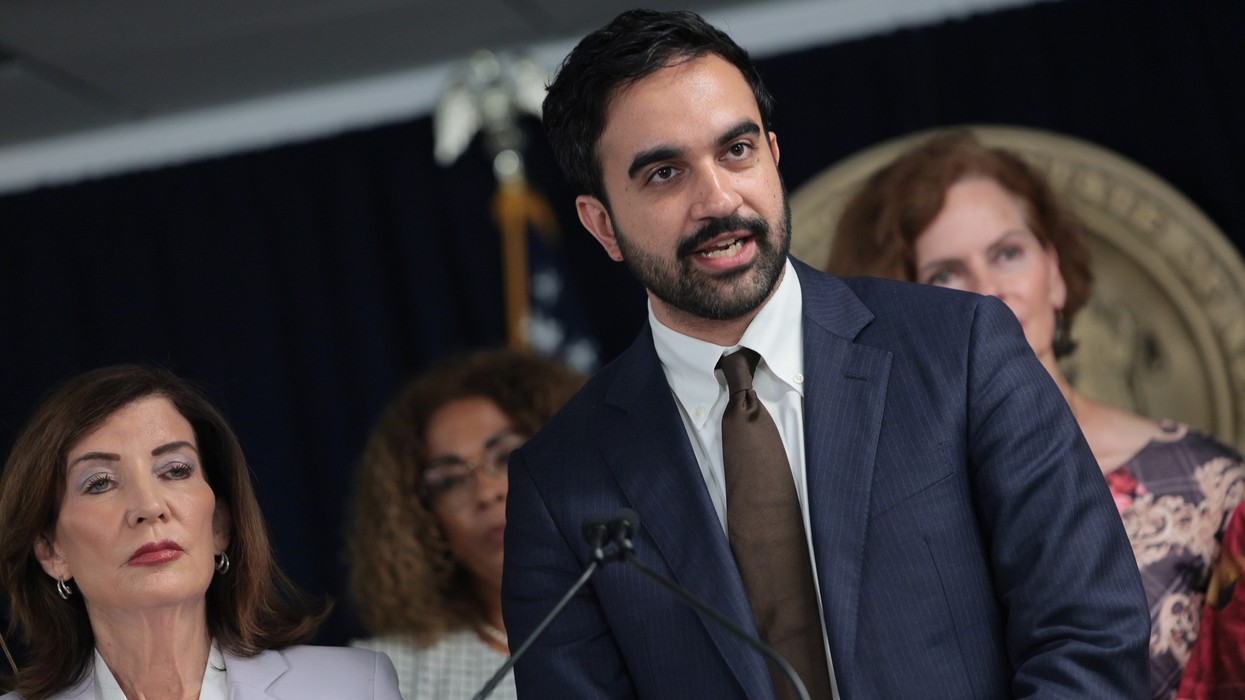
Zohran Mamdani has drawn a line between children and artificial intelligence, announcing a one-year ban on student-facing generative AI in New York City public schools from 2-K through eighth grade.
The policy, which applies during the 2026-27 school year, will affect nearly 600,000 students. High school students will still have limited access to AI through supervised programmes and lessons designed to teach them about the technology.
Mamdani says children need human connection
Mamdani said the decision is about making sure technology does not get in the way of how children learn and grow.
“Children need teachers and human connection in order to learn and grow,” he said. He also said students need to build skills with their classmates rather than depend on technology to do the work for them.
The ban covers student-facing generative AI tools and companion chatbots. Teachers will still be allowed to use some AI for tasks such as lesson planning, while exceptions will be made for certain students who need assistive technology.
AI will still have a place in high school
Mamdani's policy does not mean New York City schools are turning their backs on AI altogether. High school students will receive AI lessons covering areas such as bias, ethics and critical thinking.
Some high school classrooms will also take part in monitored programmes using approved AI tools. The idea is to give older students a better understanding of the technology while keeping tighter limits on its use by younger children.
The city wants a year to study the impact
The one-year ban will also give New York City officials time to study how AI affects students before deciding what comes next.
The city says the policy is part of a wider review of technology in schools. Alongside the AI rules, it is introducing limits on screen use for younger students, reflecting growing concerns about how much technology children are exposed to in the classroom.