

Defending champions India avenged their humiliating defeat against Pakistan in last year's T20 World Cup at the Dubai International Stadium on Sunday (28) when they won a high-octane clash against the arch-rivals in Asia Cup 2022 by five wickets.
India captain Rohit Sharma won the toss and asked Babar Azam's Pakistan to bat first. The Pakistani batting line-up struggled against the Indian seamers who bowled the former Asia Cup champions out for 147 inside 20 overs.
ALSO READ: Hardik Pandya's all-round show helps India nail Pakistan in Asia Cup
While the likes of Hardik Pandya (three wickets for 25 runs), Arshdeep Singh (two for 33) and Avesh Khan (one for 19) bowled well, the wrecker-in-chief was Bhuvneshwar Kumar who claimed four wickets for 26 runs.
The sensational bowling figures were the best registered by an Indian bowler against Pakistan in T20 internationals. The previous best was by Pandya who had picked three wickets for only eight runs in Mirpur, Bangladesh, in the 2016 edition of the Asia Cup. Had Kumar, who took the all-important wicket of Azam cheaply and had a two-in-two strike towards the end of the Pakistan innings, not gone for some runs in his penultimate over when the opponents' No.11 batter Shahnawaz Dahani took him on, the Indian seamer would have the best bowling figure in an India-Pakistan clash in the T20 format.
His four for 26 now stands second only to former Pakistan pacer Mohammad Asif's four for 18 which he took in Durban, South Africa, in the inaugural World Twenty20 in 2007.
Speaking about the Indian bowler's take on his team's performance in the first half of the match, Kumar said, “When we looked at the wicket, we thought it would swing but there was no swing. There was bounce, but we know what balls we have to bowl. When you bowl short, few were skidding and some were coming slow. To be honest, we gave 10-15 runs extra. New ball is always tricky on this wicket. There could be bounce for their bowlers too, but I'm backing our batters to chase this down."
The batters indeed honoured his trust.

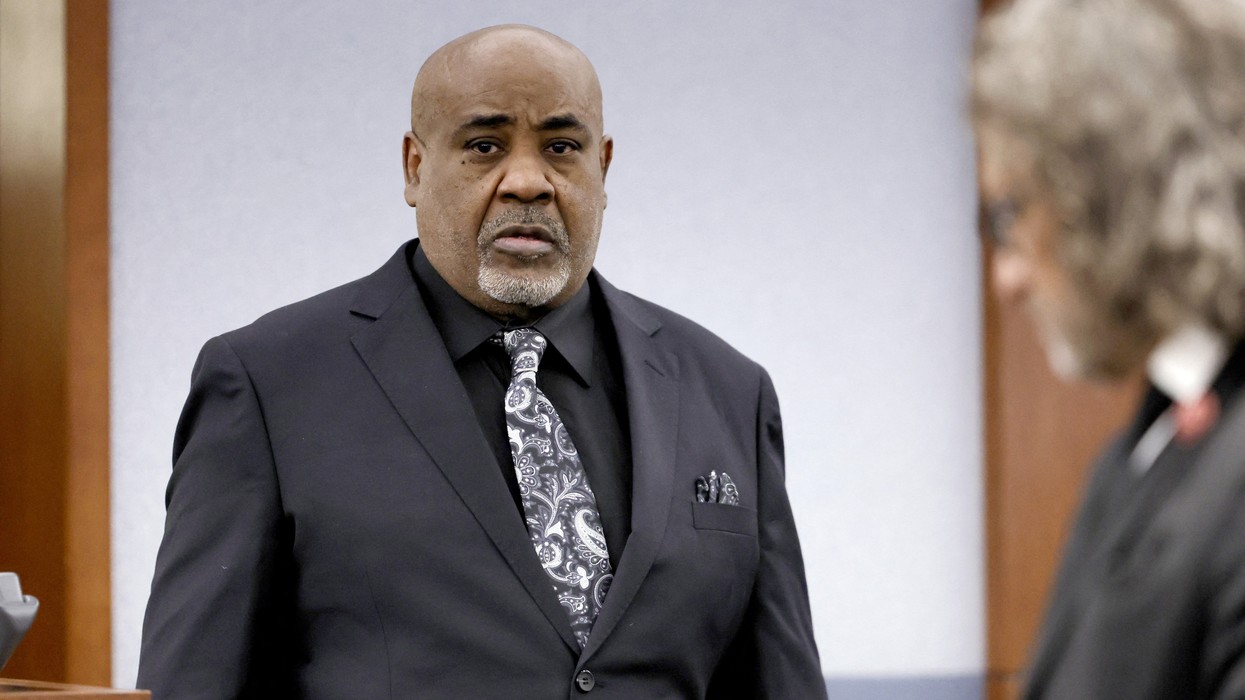
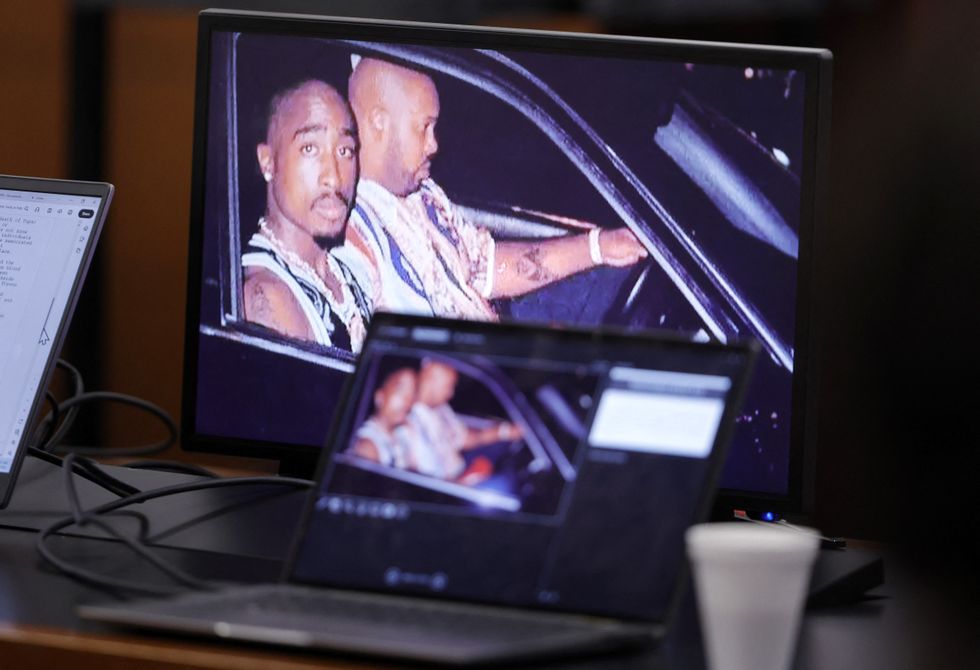 A 1996 photo of rapper Tupac Shakur (L) and Marion "Suge" Knight is shown on screens during closing arguments in the Duane Davis murder trial, related to the 1996 killing of rapper Tupac Shakur, at Clark County District Court at the Regional Justice Center in Las Vegas, Nevada, on August 31, 2026. Getty Images



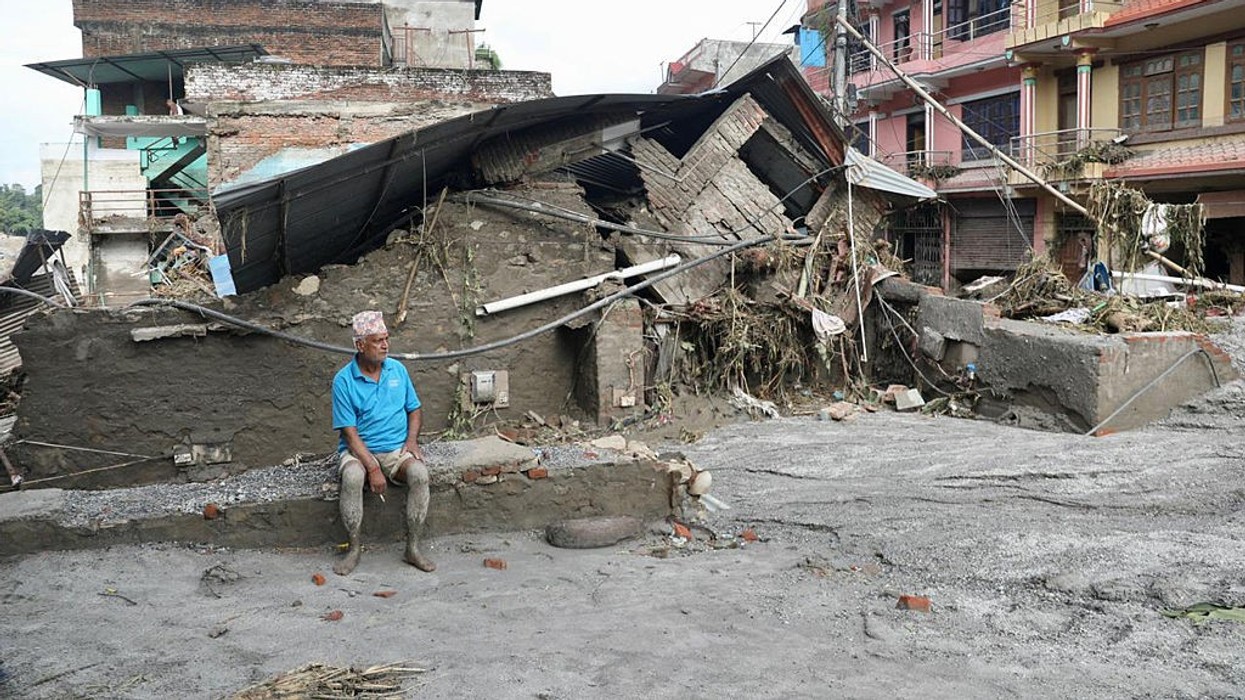
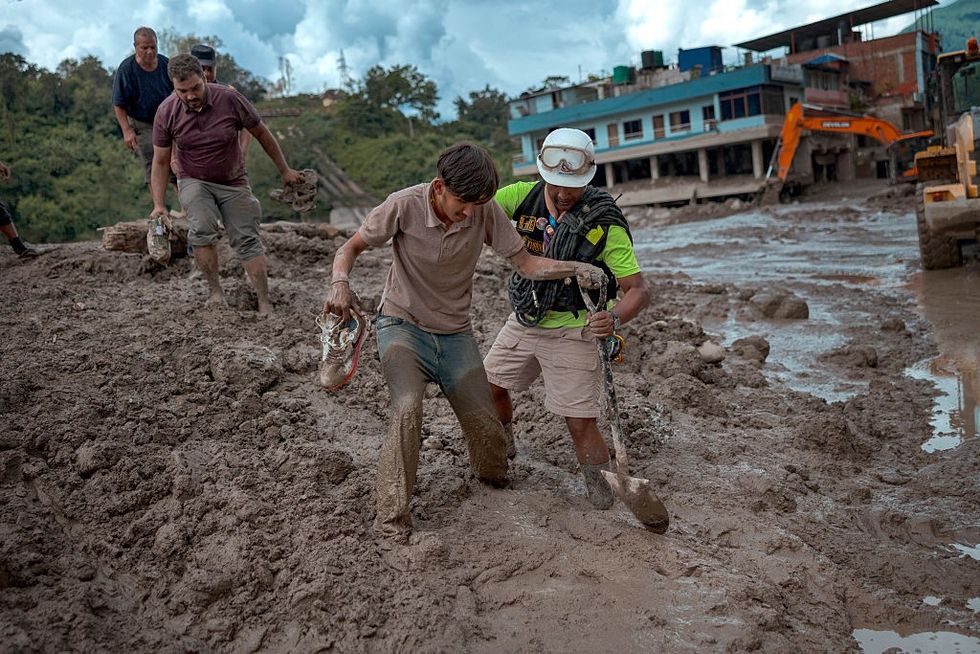 A rescuer assists a resident through heavy mud following flash floods on August 27, 2026 in Trishuli, Nepal. A sudden flood swept through the Bhote Koshi River basin in northern Rasuwa on August 26, damaging settlements, roads and energy infrastructure as rescue teams searched for residents and foreign travellers reported out of contact. Hundreds were reported missing, as the death toll started to climb.Getty Images
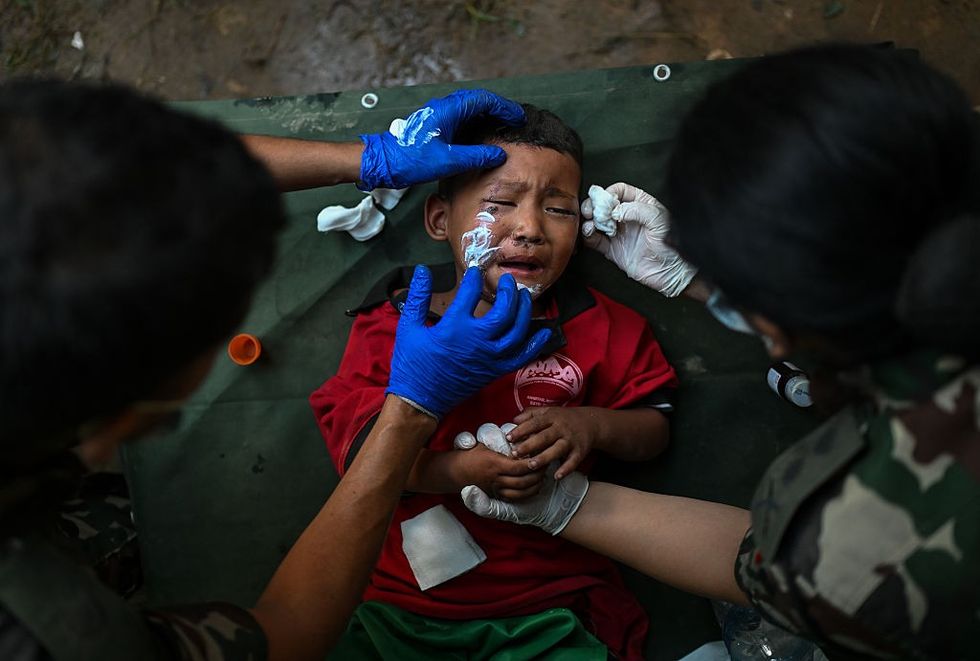 Rescue personnel provide medical treatment to a child at an army rescue camp in Trishuli Batar, Nepal, on August 27, 2026. A sudden flood swept through the Bhote Koshi River basin in northern Rasuwa on August 26, damaging settlements, roads and energy infrastructure, as rescue teams searched for residents and foreign travellers reported out of contact. Hundreds were reported missing as the death toll began to climb. Getty Ima
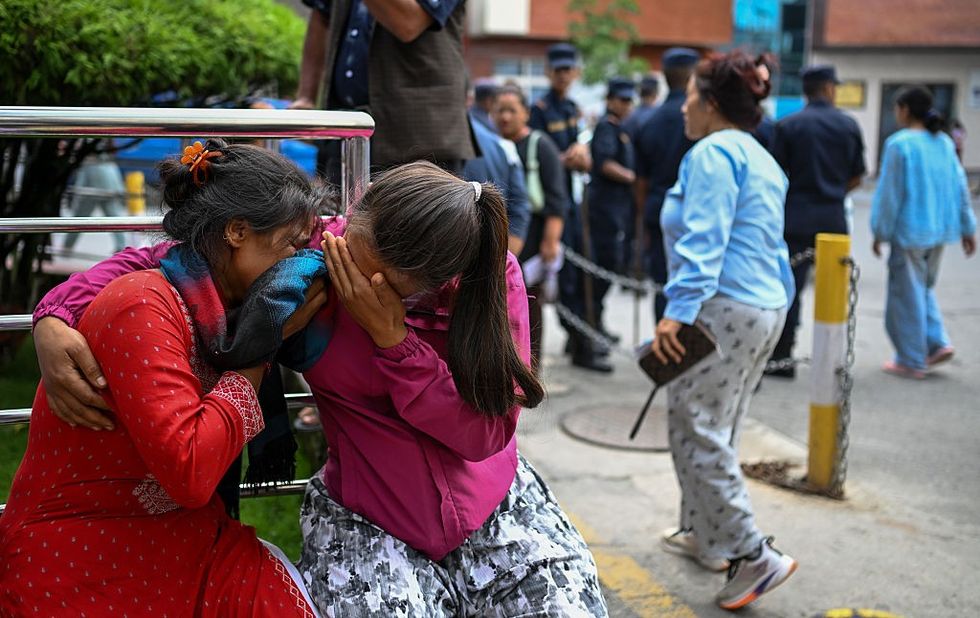 Family members of missing flood victims react at the emergency ward of the Maharajgunj Medical Campus, part of the Tribhuvan University Teaching Hospital, on August 28, 2026 in Kathmandu, Nepal. Authorities said the flash floods were triggered after a mass of ice, mud and rock collapsed into a Himalayan river near the Nepal-China border, leaving hundreds dead or missing and causing widespread damage in affected districts. Authorities continued the gruelling search for victims, many buried under metres of mud, as both China and Nepal issued fresh flooding alerts.Getty Images