

Are you planning for Maha Kumbh? Why not explore more and complete the circle of religious tourism? Religious tourism in India is a significant aspect of the country’s cultural and economic landscape, drawing millions of pilgrims and spiritual seekers annually. Events like the Maha Kumbh Mela attract global attention, reinforcing India’s status as a spiritual hub.
The Maha Kumbh Mela is a deeply spiritual experience, drawing millions of devotees and seekers from around the world. After immersing in the sacred waters and participating in religious rituals, many pilgrims seek to extend their spiritual journey by exploring nearby destinations rich in history, culture, and spirituality. Here are the top five places to visit after attending the Maha Kumbh:
Rishikesh – The Yoga Capital of the World
Located on the banks of the holy Ganges River, Rishikesh is a serene retreat for those looking to continue their spiritual and wellness journey. Renowned as the Yoga Capital of the World, Rishikesh offers numerous ashrams, meditation centers, and yoga retreats. Visitors can explore the iconic Laxman Jhula, attend the mesmerizing Ganga Aarti at Triveni Ghat, or simply relax amidst the tranquil Himalayan foothills.
Varanasi – The Eternal City
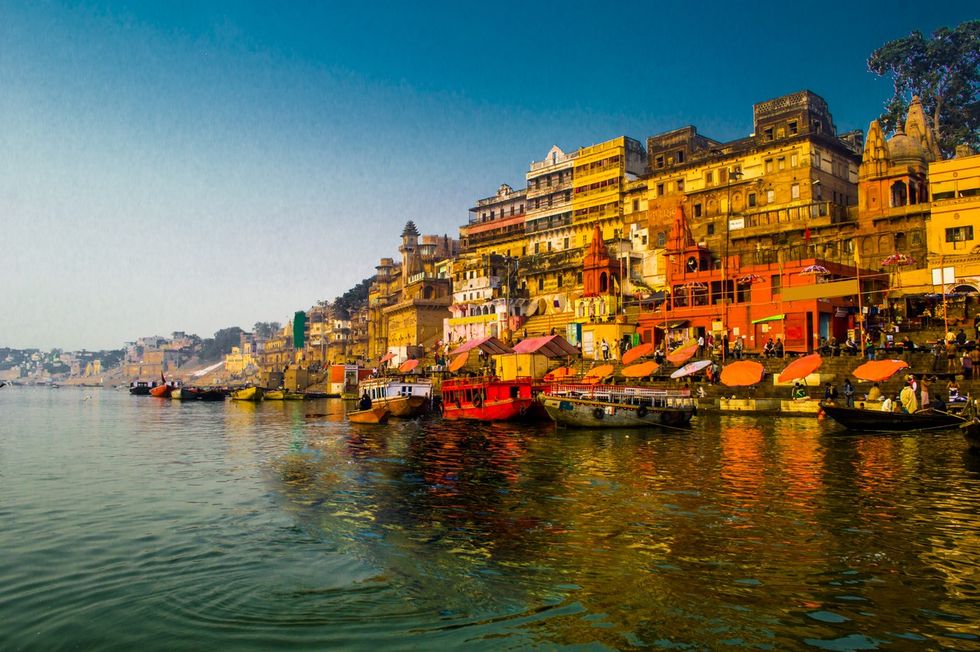 early morning shot of Varanasi in north India
One of the oldest living cities in the world, Varanasi is a must-visit destination after Maha Kumbh. Known as the spiritual heart of India, Varanasi is home to countless temples, ghats, and sacred rituals. Witnessing the Ganga Aarti at Dashashwamedh Ghat, taking a boat ride along the Ganges at sunrise, and visiting the revered Kashi Vishwanath Temple are unforgettable experiences that deepen one’s spiritual connection.
Ayodhya – The Birthplace of Lord Rama
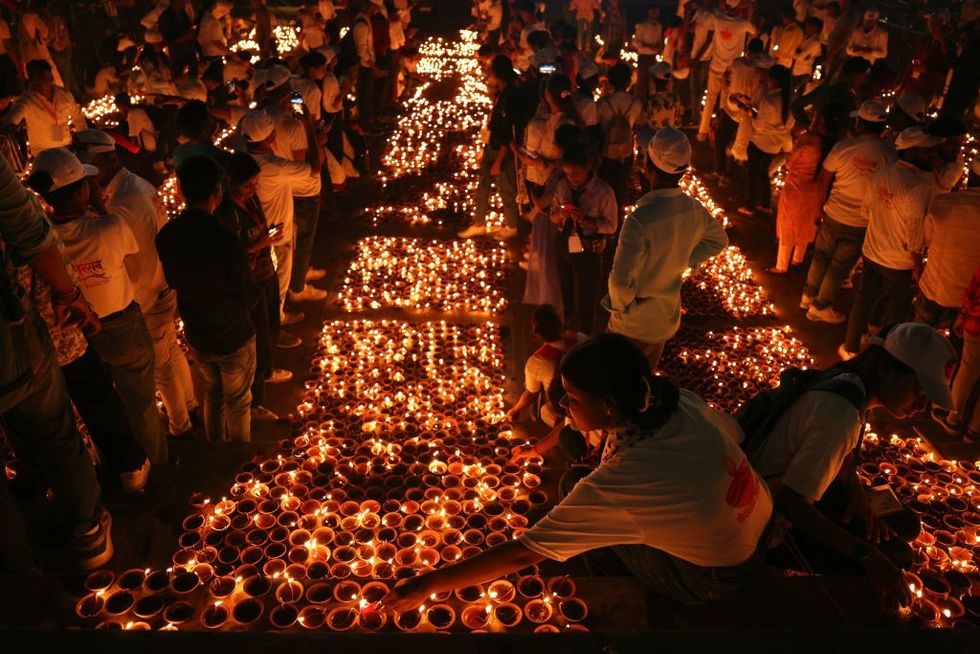 Hindu devotees light earthen lamps on the banks of the Sarayu River on the eve of Diwali, the Hindu festival of lights, in Ayodhya on October 30, 2024. (Photo by Niharika KULKARNI / AFP) (Photo by NIHARIKA KULKARNI/AFP via Getty Images)
For devotees of Lord Rama, Ayodhya is an essential stop on their spiritual journey. Revered as the birthplace of Lord Rama, this ancient city is steeped in mythology and religious significance. Pilgrims can visit the recently constructed Ram Janmabhoomi Temple, Hanuman Garhi, and Kanak Bhawan. The city’s peaceful ambiance and historic charm make it an enriching destination.
Haridwar – The Gateway to the Gods
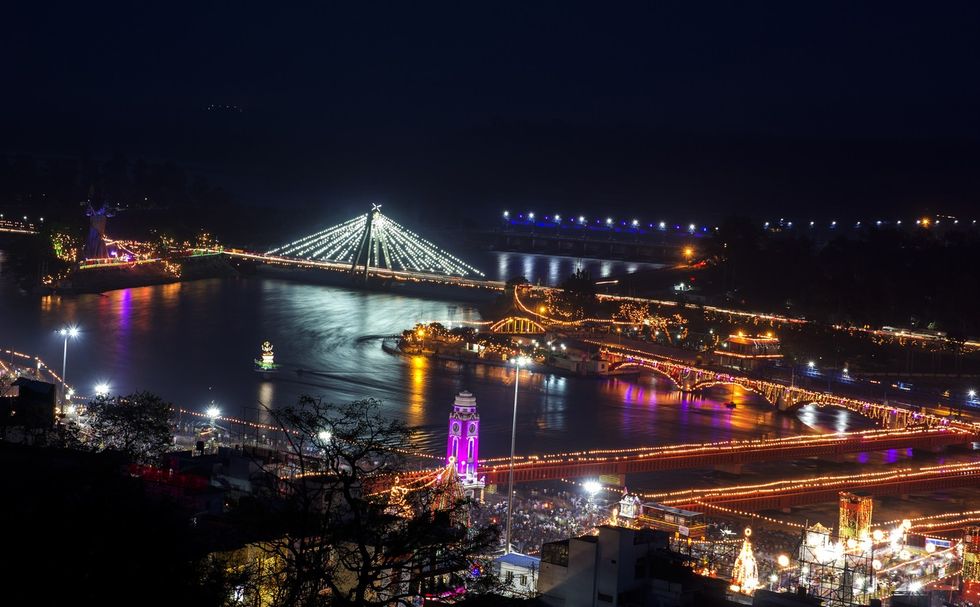 har ki pauri at night during Kumbh Mela
Just a short distance from Rishikesh, Haridwar is another sacred city that holds immense religious importance. Known as the Gateway to the Gods, Haridwar hosts the grand Ganga Aarti at Har Ki Pauri, where thousands gather to witness the divine spectacle. Other significant sites include Mansa Devi Temple, Chandi Devi Temple, and the serene ashrams lining the riverbanks.
Mathura-Vrindavan – The Land of Krishna
For those devoted to Lord Krishna, Mathura and Vrindavan are perfect destinations to extend their spiritual journey. Mathura, the birthplace of Krishna, is home to the revered Krishna Janmabhoomi Temple, while Vrindavan is known for its vibrant temples like Banke Bihari, Prem Mandir, and ISKCON Temple. The towns are filled with bhajans, temples, and a divine atmosphere that transports visitors to Krishna’s era.
Each of these destinations offers a unique blend of spirituality, history, and tranquility, making them perfect for extending the sacred experience of Maha Kumbh. Whether seeking enlightenment, cultural immersion, or peace, these cities provide a profound journey for every traveler.
This sector boosts local economies, preserves heritage, and promotes cultural exchange. The government actively supports religious tourism through improved infrastructure, digital services, and heritage conservation, making spiritual journeys more accessible and enriching.










 Abdul El -SayedGetty Images
 Suhas Subramanyamx
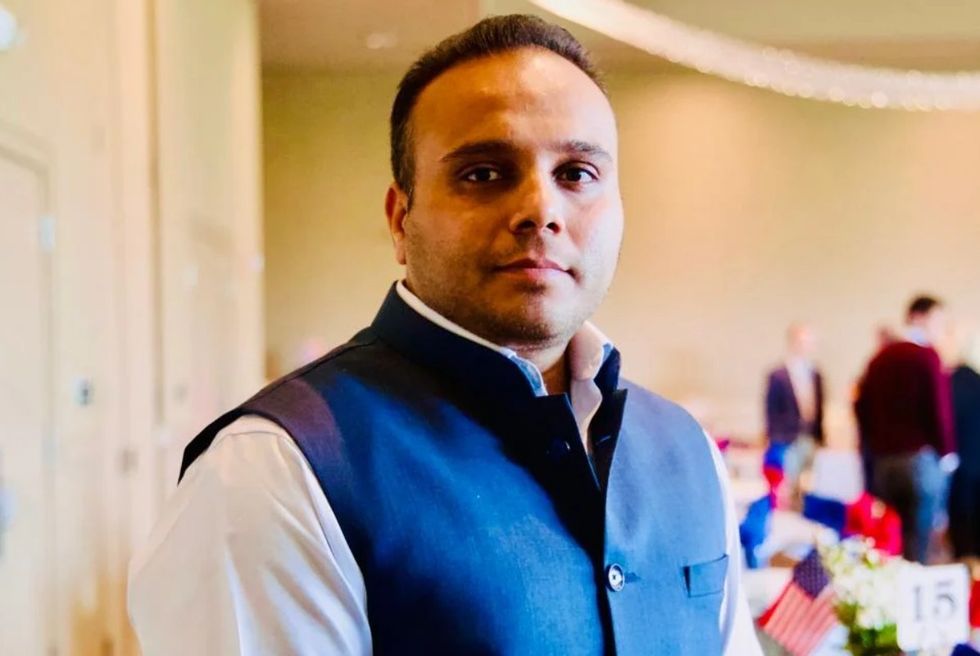 Nirav Shethx
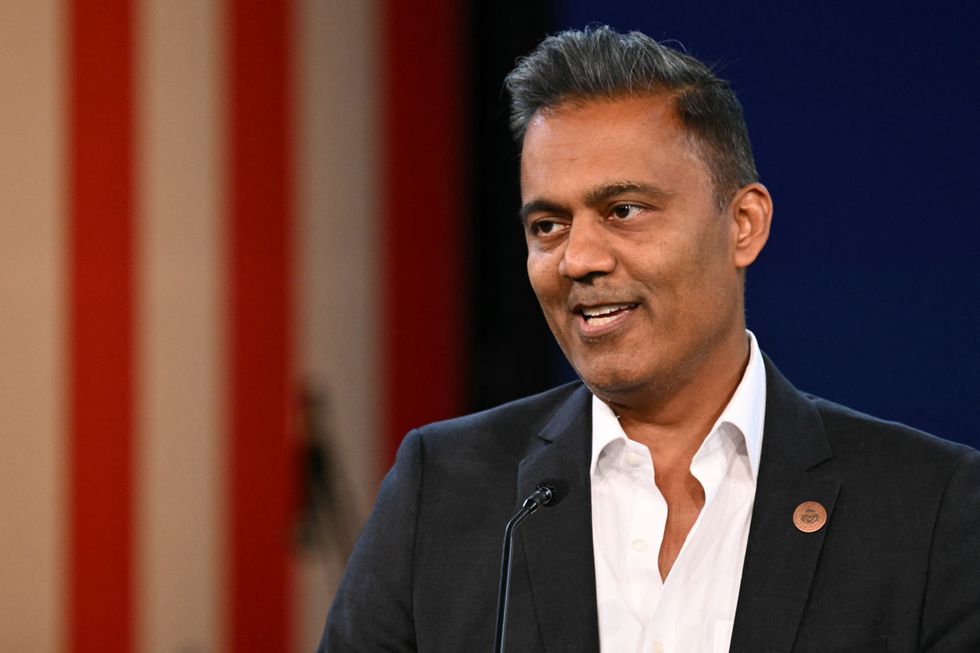 Amish Shahx
 Pia Dandiyax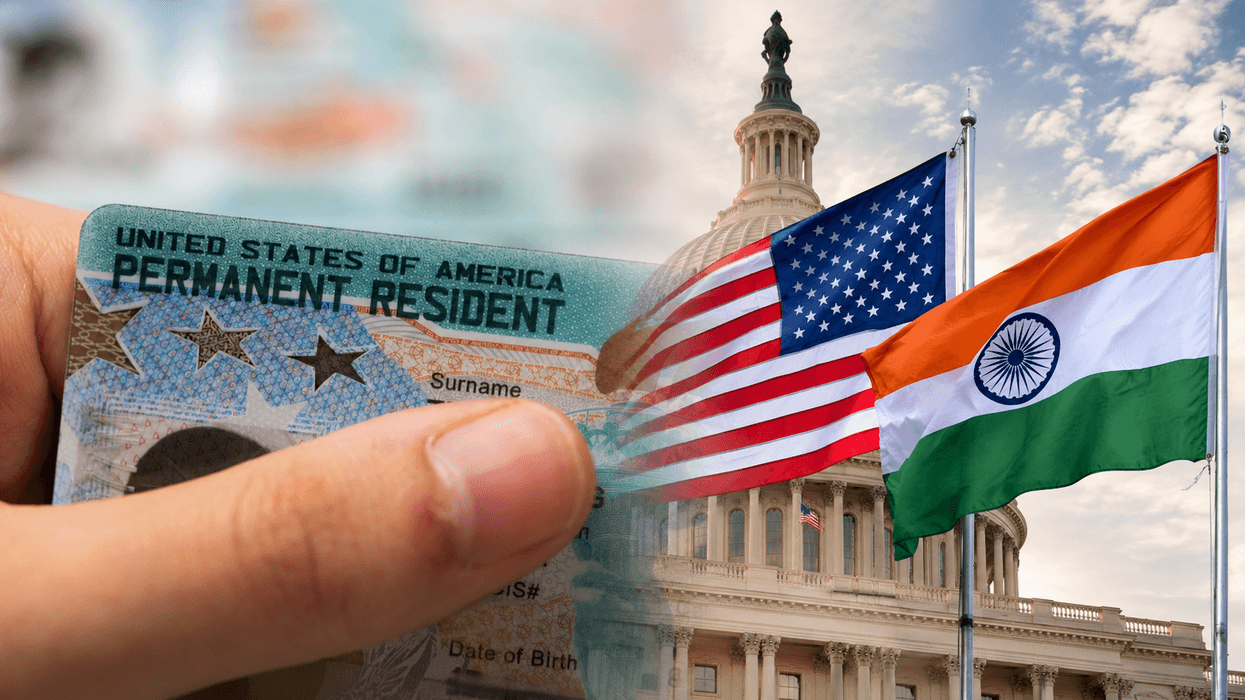
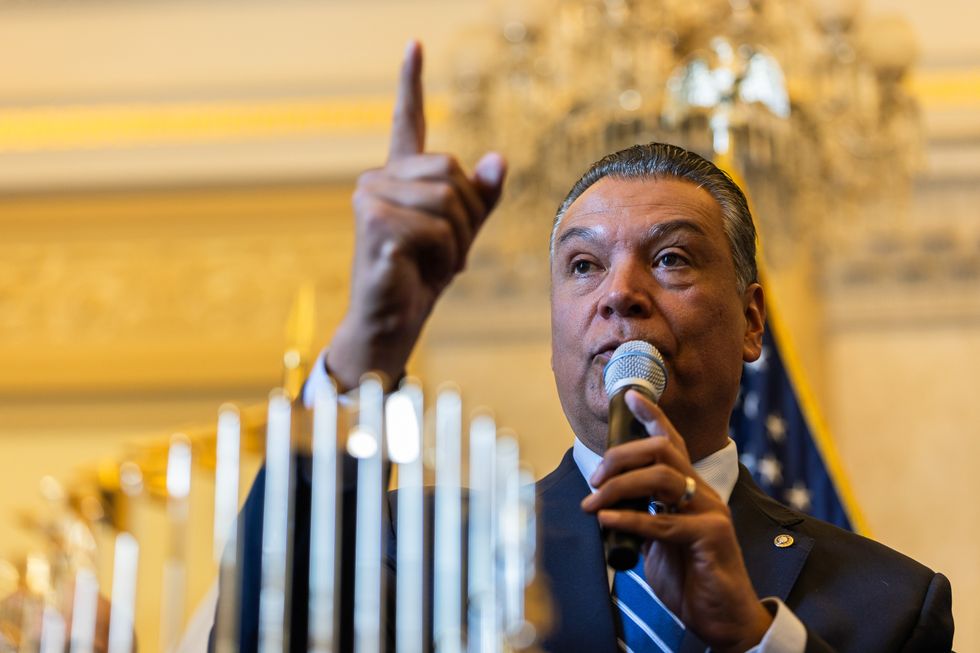 Alex PadillaGetty Images
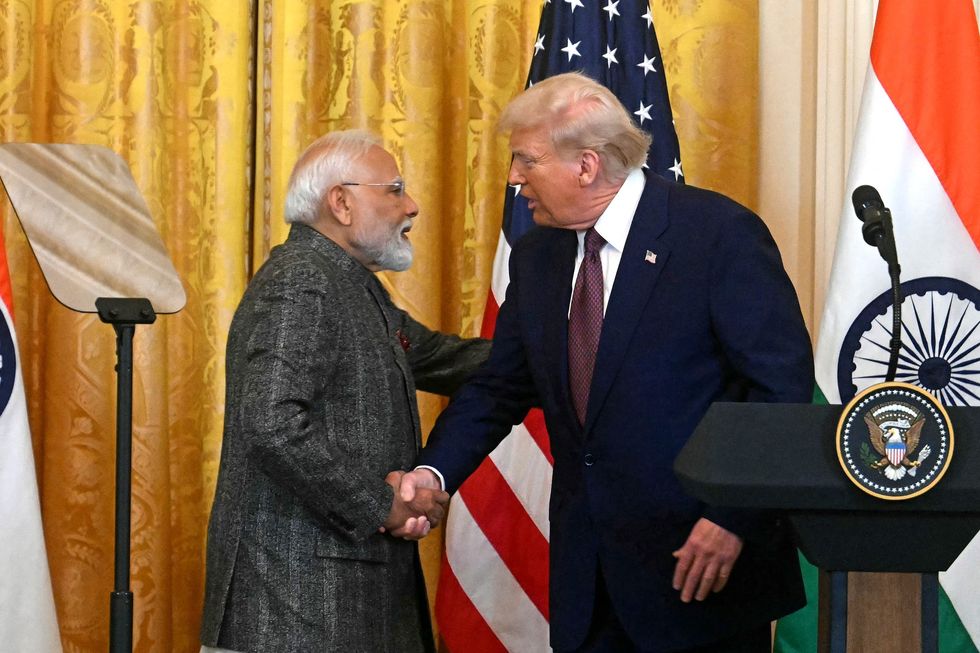 Narendra Modi and Donald Trump during a meeting in 2025Getty Images
  Many Indian H-1B professionals wait years or even decades for permanent residency in the USx
 x
x
 Seattle Seahawks players celebrate after winning Super Bowl LX in FebruaryGetty Images
 Seattle Seahawks players during a gamexx
 Celebrations after the team’s Super Bowl LX triumphxx
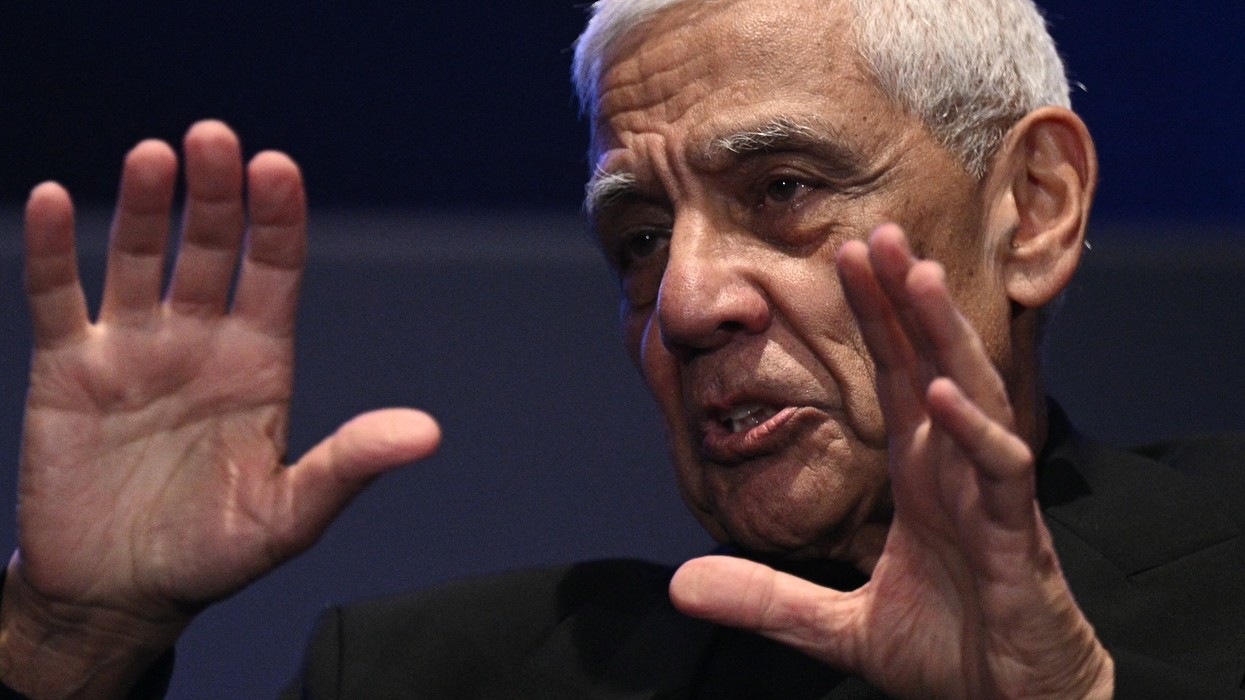
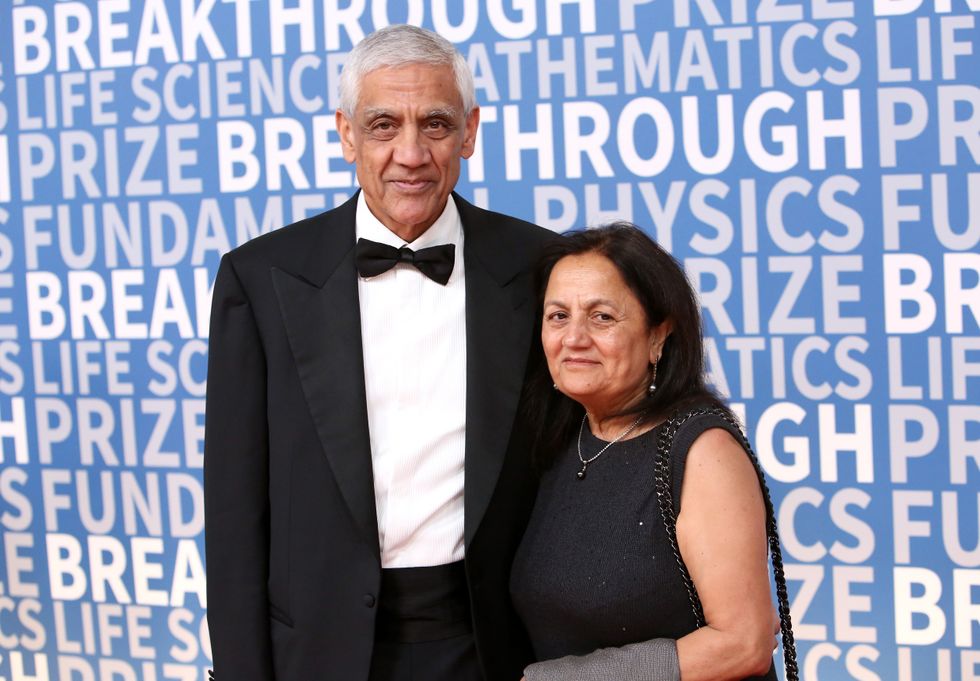 Vinod Khosla with his wife NeeruGetty Images