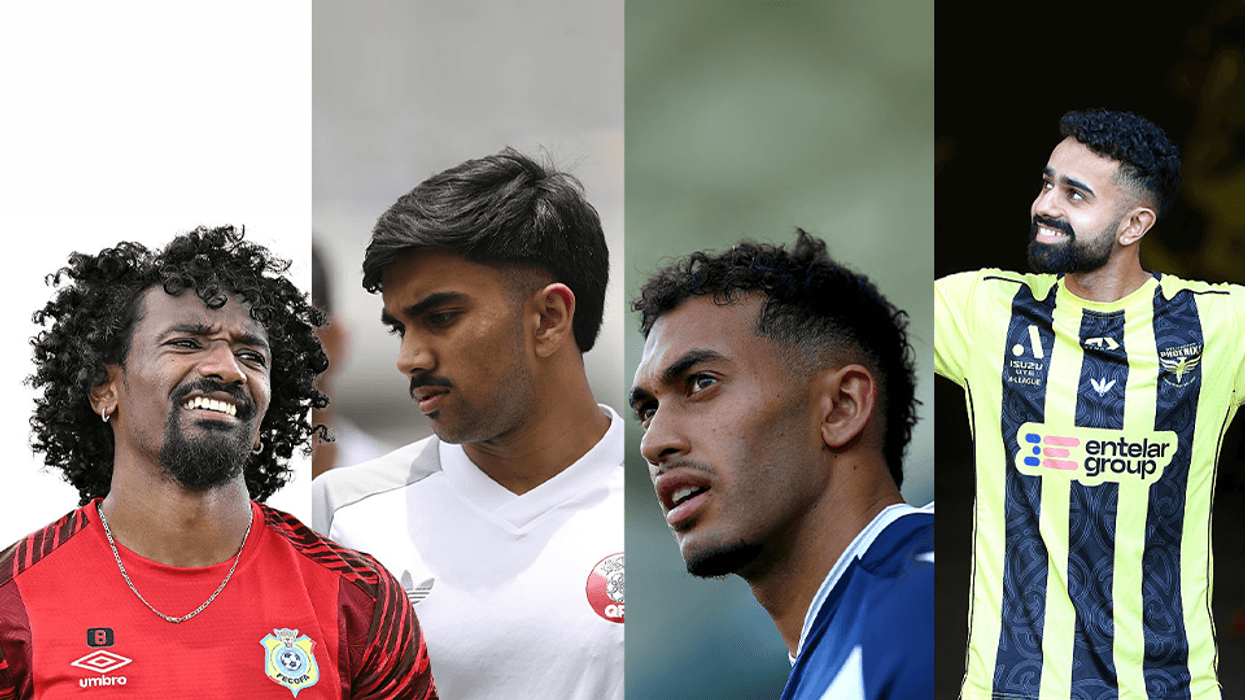

The 2026 FIFA World Cup has shattered records, expanded brackets, and rewritten the script of global football representation. While subcontinental heavyweights like India, Pakistan, Bangladesh, Sri Lanka, and Nepal have yet to grace a World Cup pitch as competing nations, the tournament’s expanded 48-team format has thrown a dazzling spotlight on a different phenomenon: the deep, global reach of the South Asian diaspora.
From the shores of New Zealand to the deserts of Qatar, and into the roaring stadiums of North America, players carrying ancestral roots from Pakistan, Punjab, Kerala, and Tamil heritage are actively wearing national jerseys, logging vital minutes, and asserting their presence at the highest tier of the sport. Far from being mere footnotes, these athletes represent the shifting, multicultural identities of modern international football.
Here are the active diaspora players making waves in the 2026 tournament, followed by the legendary pioneers who paved the way.
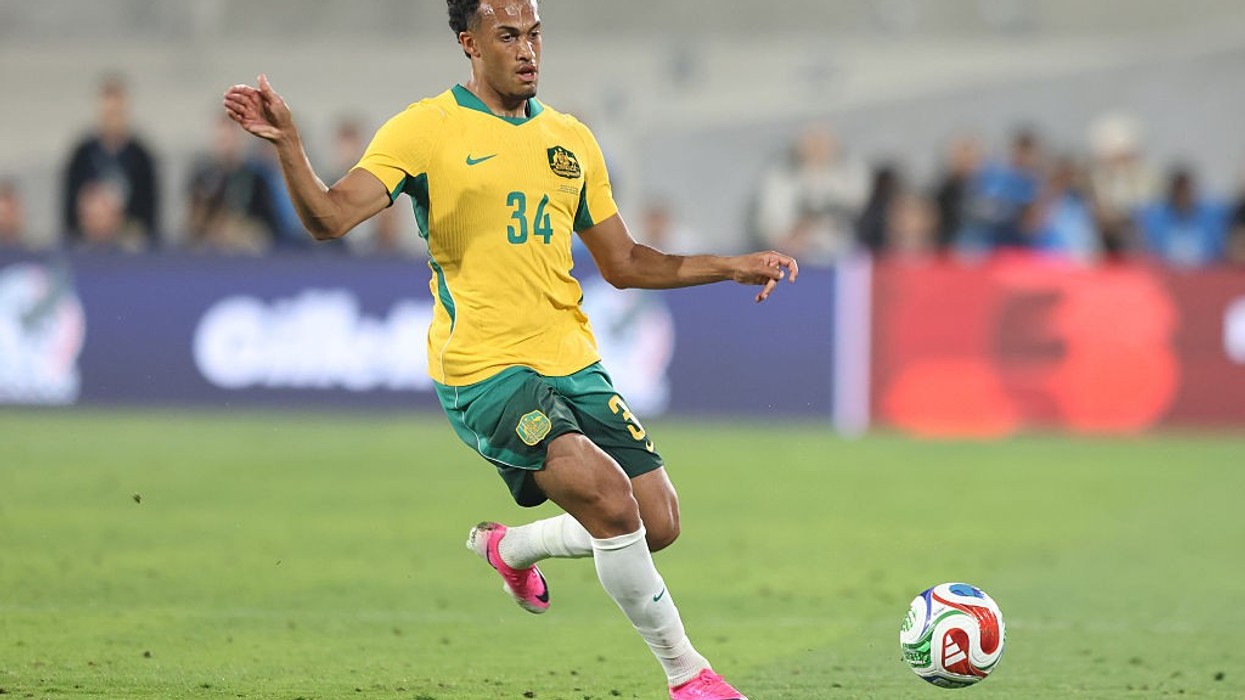
Nishan Velupillay (Australia: Anglo-Indian & Sri Lankan Tamil Heritage)
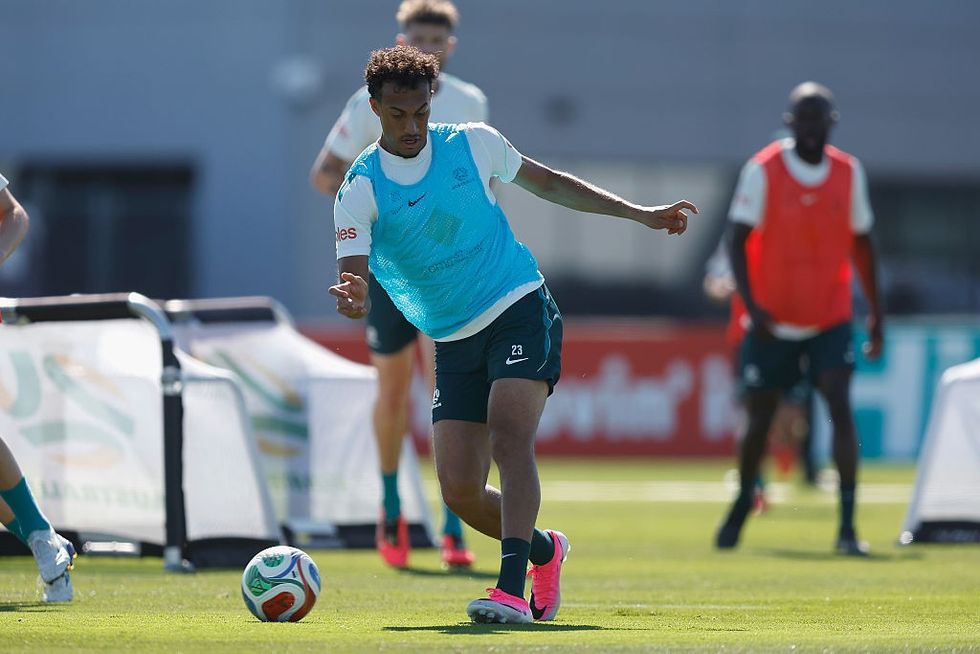 Nishan Velupillay #23 of Australia controls the ball during a training session ahead of FIFA World Cup 2026 at Oakland Roots and Soul Sports Club on June 03, 2026 in Alameda, California.Getty Images
When Australia stepped onto the pitch at BC Place in Vancouver for their Group D opener against Turkey on June 14, 2026, history was quietly made. Coming off the bench in the second half, 25-year-old forward Nishan Velupillay officially became the first player of Indian subcontinent descent to log active minutes on the pitch at the 2026 World Cup.
Velupillay’s lineage is a beautiful roadmap of global South Asian migration patterns, directly encompassing the island nation of Sri Lanka. His mother possesses a rich Anglo-Indian heritage, while his father is a Malaysian-born Sri Lankan Tamil. Born and raised in Australia, Velupillay developed his sharp, direct attacking style within the Australian domestic system, most notably as a breakout talisman for Melbourne Victory.
Having earned his spot in head coach Tony Popovic’s final 26-man roster through a string of clinical international performances, Velupillay provides the Socceroos with exceptional pace and versatility on the wing.
Sarpreet Singh (New Zealand: Indian Punjabi Heritage)
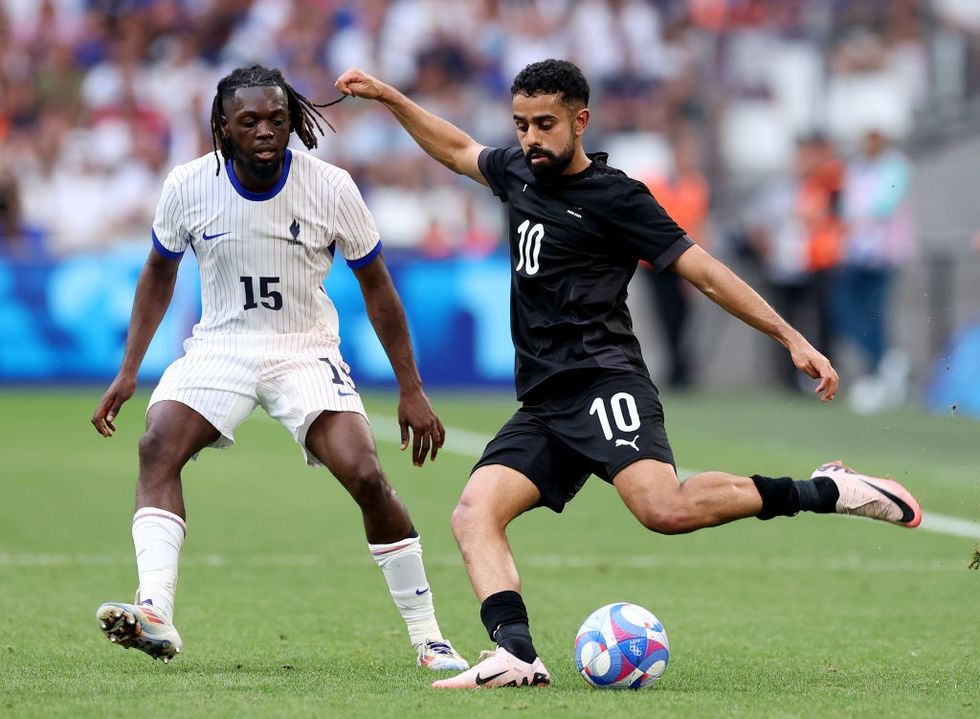 Sarpreet Singh #10 of Team New Zealand shoots against Bradley Locko #15 of Team France during the Men's group A match between New Zealand and France during the Olympic Games Paris 2024 at Stade de Marseille on July 30, 2024 in Marseille, France. Getty Images
Long regarded as the poster child for modern South Asian soccer excellence in the West, Sarpreet Singh continues his historic journey at the 2026 World Cup. Born in Auckland to Punjabi Sikh parents who originally emigrated from the historic footballing hub of Jalandhar, Punjab, Singh’s technical brilliance has defied stereotypes for nearly a decade.
Singh’s elite vision, close control, and spatial awareness as an attacking midfielder famously caught the eyes of European scouts early on, leading to a landmark move into the Bayern Munich academy system in Germany. While New Zealand’s national team, the All Whites, has historically leaned on a physical, direct style of play, Singh infuses the squad with the necessary creative artistry.
By taking the field in New Zealand's dramatic 2-2 Group G opener against Iran on June 16, 2026, Singh achieved a highly publicized milestone, solidifying his status as the first Sikh and first New Zealander of South Asian heritage to play in a men's FIFA World Cup match actively.
Samuel Moutoussamy (DR Congo: Tamil Indian Heritage via Guadeloupe)
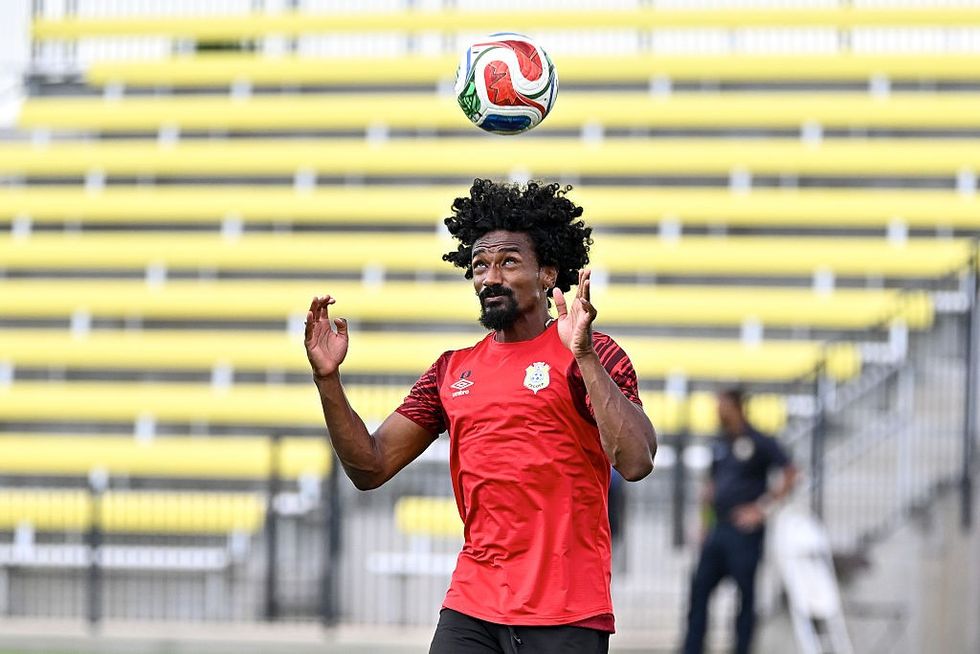 Samuel Moutoussamy #8 of DR Congo during a training session ahead of the FIFA World Cup 2026 on June 12, 2026 in Houston, Texas. Getty Images
One of the most compelling and unique diaspora stories at the 2026 tournament belongs to Samuel Moutoussamy. The 29-year-old midfielder anchor turned heads globally during DR Congo's historic Group K clash against Portugal on June 17, 2026, where his tireless defensive work rate helped secure a shocking 1-1 draw, marking the nation's first World Cup point in over half a century.
While Moutoussamy proudly represents his mother's Congolese roots on the international stage, his distinct surname stems directly from his father's heritage. His paternal ancestors migrated from South India to the Caribbean island of Guadeloupe as indentured laborers during the 19th century. Born in Paris and refined in the elite structures of French club soccer, Moutoussamy currently plies his club trade for Atromitos in the Greek Super League.
With nearly 60 international caps to his name, Moutoussamy’s role as a composed, intelligent defensive midfielder is crucial for DR Congo's tactical setup. His journey shows the incredible, winding historical trajectories of the South Asian diaspora, proving that subcontinent heritage can find expression in the most unexpected corners of global sport.
Tahsin Mohammed Jamshid (Qatar: Indian Kerala heritage)
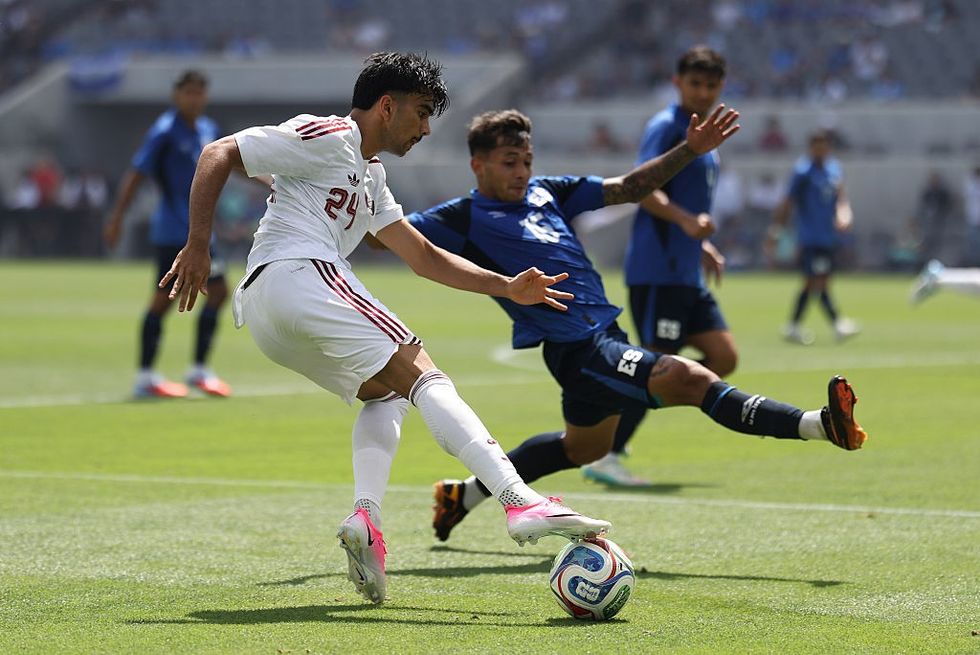 Tahsin Jamshid #24 of Qatar plays the ball during the second half of the international friendly match between Qatar and El Salvador at BMO Stadium on June 06, 2026 in Los Angeles, California.Getty Images
For the massive Indian expatriate population residing in the Gulf states, the inclusion of Tahsin Mohammed Jamshid in Qatar's official 2026 World Cup squad is nothing short of a cultural watershed moment. Born in Doha, the teenage sensation is the child of Malayali parents who hail from the football-mad Kannur district of Kerala. His father, Jamshid, was a talented footballer himself, having represented Kerala’s junior state teams before moving to Qatar for employment.
Tahsin’s development is a direct product of Qatar’s state-of-the-art Aspire Academy and the elite infrastructure of Qatar Stars League club Al-Duhail SC. Known for his lightning-fast acceleration and fearless dribbling, the young forward represents the first time a player with direct, first-generation Indian roots has cracked a senior World Cup squad in the Middle East.
Though he has primarily watched the initial matches from the dugout as a strategic option on the bench, his inclusion in the senior squad signals a massive structural shift. For decades, South Asians in the Gulf were viewed strictly through the lens of labor; Tahsin's rise proves that the community is now actively producing elite athletic talent capable of making the highest international rosters.
Niall Mason (Qatar: Indian heritage)
 Niall Mason of Doncaster Rovers during the Sky Bet League Two match between Doncaster Rovers and Exeter City at Keepmoat Stadium on April 29, 2017 in Doncaster, England.Getty Images
Niall Aadya Mason is a 29-year-old professional defender playing for Qatar SC. Born in Brighton, his youth career spanned elite academies like Real Madrid before he made over 150 senior appearances in England for Aston Villa, Doncaster, and Peterborough. He moved to Qatari football in 2021.
On the international stage, Mason represents Qatar. Following strong domestic form, head coach Julen Lopetegui handed him his first senior international call-up in March 2026, later naming him to Qatar’s preliminary 34-man training squad for the 2026 FIFA World Cup. However, he narrowly missed out on the final 26-man tournament roster.
Mason’s deep ties to South Asia come through his Indian mother. While her name is kept strictly private, her heritage heavily influences his middle name, Aadya. Holding an Indian passport alongside US and UK eligibility, Mason chose to represent Qatar after moving there for his career.
Zidane Iqbal (Iraq: Pakistani heritage)
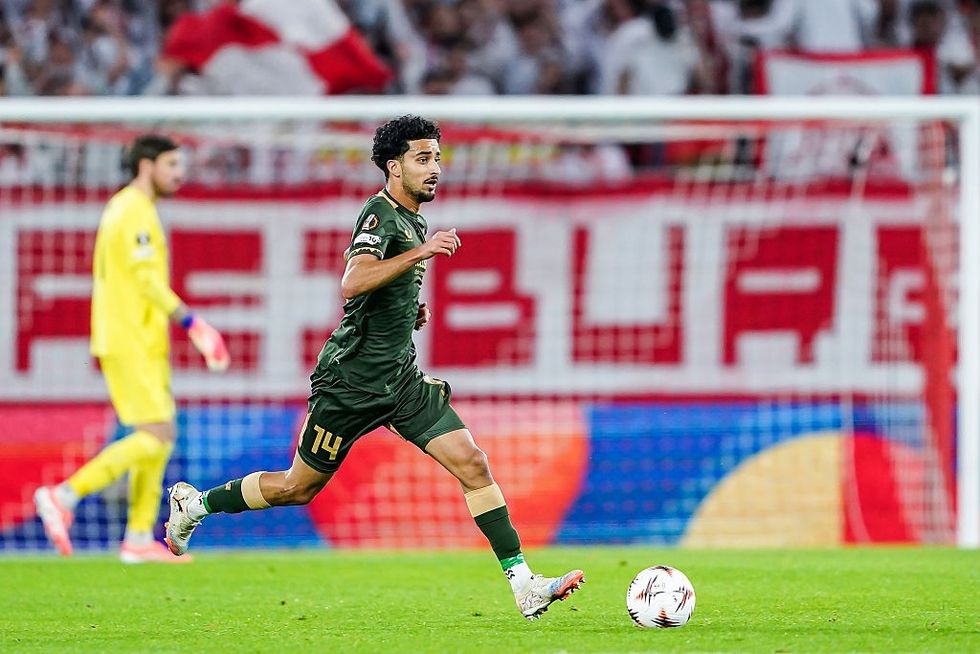 Zidane Iqbal of FC Utrecht goes forward during the UEFA Europa League 2025/26 League Phase MD3 match between SC Freiburg and FC Utrecht at Stadion am Wolfswinkel on October 23, 2025 in Freiburg im Breisgau, Germany.Getty Images
On June 16, 2026, the global Pakistani community celebrated a seismic, unprecedented moment in football history. When Iraq faced Norway at Boston Stadium in Foxborough, 23-year-old central midfielder Zidane Iqbal stepped onto the pitch as a 59th-minute substitute, officially becoming the first footballer of Pakistani heritage to ever play at a men's FIFA World Cup.
Born and raised in Manchester, England, Iqbal’s journey is a masterclass in multicultural identity. He was born to an Iraqi mother and a Pakistani father whose family roots hail from Sahiwal and Sialkot. A prodigy of Manchester United's legendary youth academy, Iqbal previously made headlines as the first British South Asian player to feature in the UEFA Champions League before transferring to Dutch Eredivisie club FC Utrecht.
Though eligible to represent England, Pakistan, or Iraq, Iqbal proudly chose his mother’s homeland for his international allegiance, accumulating 24 senior caps and helping the "Lions of Mesopotamia" break a 40-year World Cup drought. Highlighting his pride, Iqbal takes the field donning the Iraqi flag on his left boot and the Pakistani flag on his right. For a nation of 250 million people sitting 198th in the FIFA rankings, seeing Iqbal on the world stage, even in an Iraq shirt,is an unforgettable breakthrough.
The trailblazers: Pioneers who paved the way
The modern representation witnessed in 2026 is built entirely on the shoulders of historical pioneers who fought through systemic barriers to achieve elite status.
- Vikash Dhorasoo (France: Indo-Mauritian Heritage): The gold standard for South Asian achievement in football. With ancestral roots tracing back to the Telugu-speaking regions of Andhra Pradesh, the creative midfielder won domestic titles with Lyon and PSG, and reached the Champions League Final with AC Milan. Earning 18 caps for France, Dhorasoo was part of the Les Bleus squad that marched to the 2006 FIFA World Cup Final, making him the only player of Indian ancestry with a World Cup runners-up medal.
- Neil Taylor (Wales: Indian Bengali Heritage): Born to a Welsh father and a mother from Kolkata, the dependable left-back anchored defenses for Swansea City and Aston Villa. Taylor earned 43 caps for Wales and was a vital starter during their fairy-tale run to the UEFA Euro 2016 semifinals, scoring against Russia.
- Michael Chopra (England: Indian Father): Rising through Newcastle United’s academy, Chopra became the first player of Indian parentage to play and score in the English Premier League. A prolific Championship striker, his later attempts to switch international allegiance to India ignited crucial global conversations regarding diaspora sports eligibility.
- Harmeet Singh (Norway: Punjabi Sikh Heritage): Dubbed the "Oslo Iniesta" for his exceptional technical comfort, the midfielder broke immense ground for the Scandinavian diaspora, earning several caps for Norway.
While Bangladesh and Nepal lack active 2026 World Cup representatives, their footprints are growing. Leicester City's Hamza Choudhury (of Bangladeshi descent) has shattered English football barriers, while young Nepali talent is steadily filtering into elite British and Australian youth academies.
Ultimately, the 2026 World Cup proves soccer's traditional borders are permanently dissolving. The historic trajectories of modern stars demonstrate that subcontinental heritage is no longer a footnote, but a driving force on the global stage.






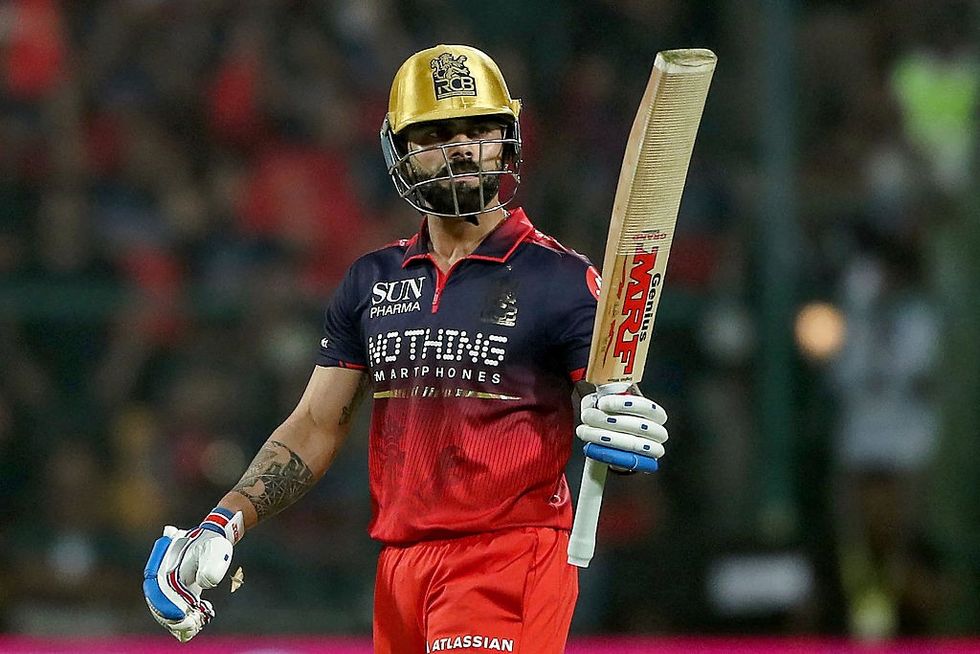 Royal Challengers Bengaluru's Indian cricket player Virat Kohli celebrates after scoring a half-century (50 runs) during the 2026 Indian Premier League (IPL) T20 match between Royal Challengers Bengaluru and Sunrisers Hyderabad at the M Chinnaswamy Stadium in Bengaluru on March 28, 2026Getty Images
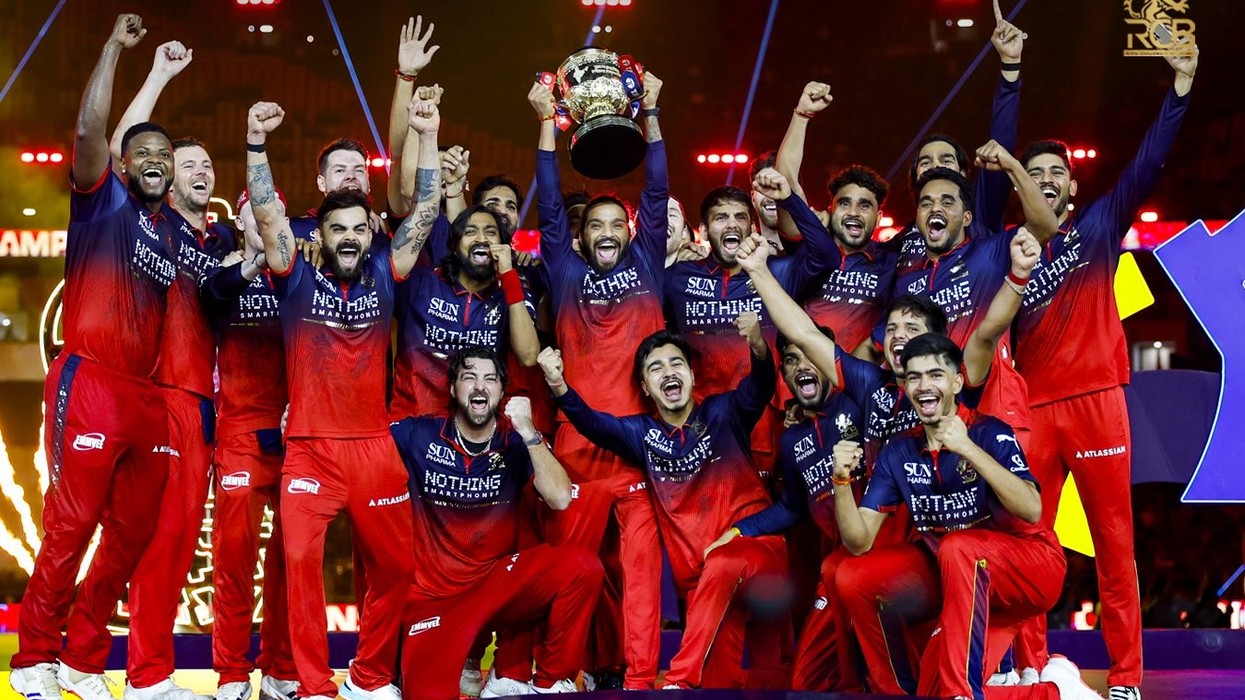
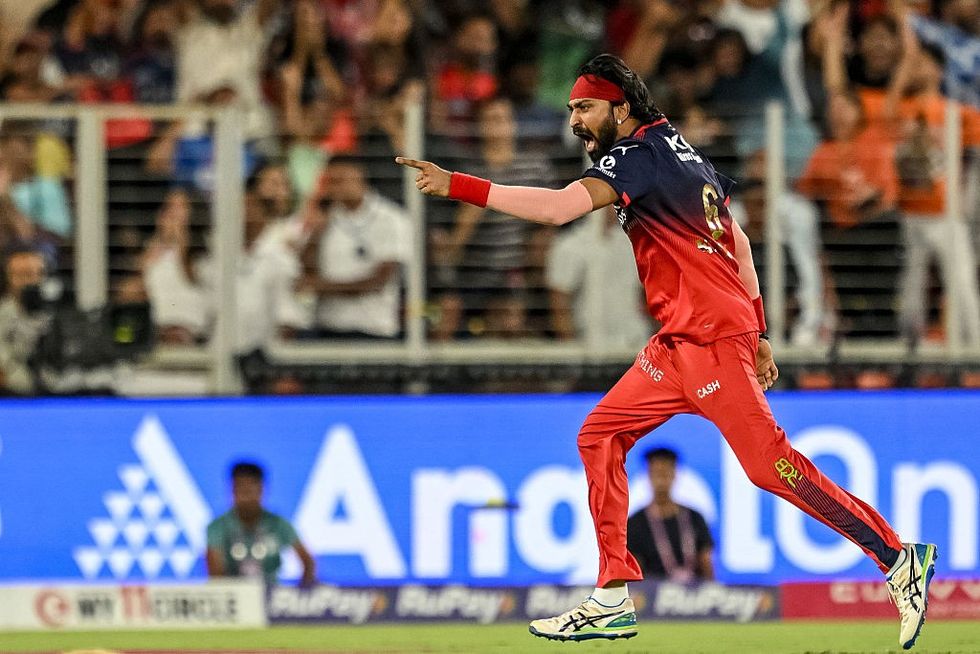 Royal Challengers Bengaluru's Krunal Pandya celebrates after taking the wicket of Punjab Kings' Josh Inglis during the Indian Premier League (IPL) Twenty20 final cricket match between Royal Challengers Bengaluru and Punjab Kings at the Narendra Modi Stadium in Ahmedabad on June 3, 2025. Getty Images