

India's maiden human space flight mission is targeted for launch in the fourth quarter of 2024, the country's minister of state in prime minister's office Jitendra Singh told Lok Sabha or Lower House of the parliament on Wednesday (21).
In a written reply, Singh said the astronaut designates for the human spaceflight had been identified and were currently undergoing their mission-specific training in Bengaluru in the southern state of Karnataka.
Singh said in view of the paramount importance of crew safety, two test vehicle missions are planned before the ‘Gaganyaan-1' mission to demonstrate the performance of the crew escape system and parachute-based deceleration system for different flight conditions.
He said the uncrewed ‘G1' mission is targeted to be launched in the last quarter of 2023 followed by the second uncrewed ‘G2' mission in the second quarter of 2024, before the final human space flight ‘H1' mission in the fourth quarter of 2024.
He said the ‘G1' mission was aimed at validating the performance of human-rated launch vehicle, orbital module propulsion system, mission management, communication system and recovery operations.
The mission will carry a humanoid as payload. Singh said the first semester of astronaut training has been completed wherein they have undergone course modules on theoretical basics, space medicine, launch vehicles, spacecraft system and ground support infrastructure.
"Regular physical fitness sessions, aeromedical training and flying practice are also part of crew training. Corresponding evaluation and assessment activities have also been completed. The second semester of crew training is currently in progress," Singh said.




 A 1996 photo of rapper Tupac Shakur (L) and Marion "Suge" Knight is shown on screens during closing arguments in the Duane Davis murder trial, related to the 1996 killing of rapper Tupac Shakur, at Clark County District Court at the Regional Justice Center in Las Vegas, Nevada, on August 31, 2026. Getty Images



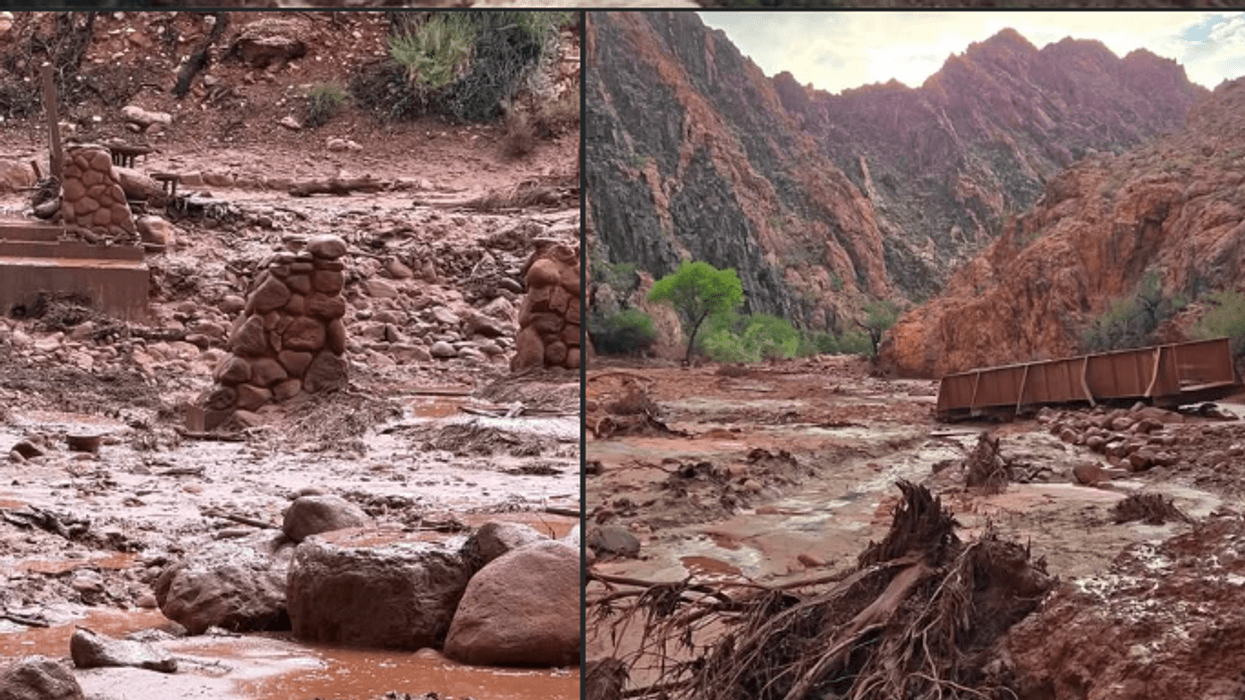

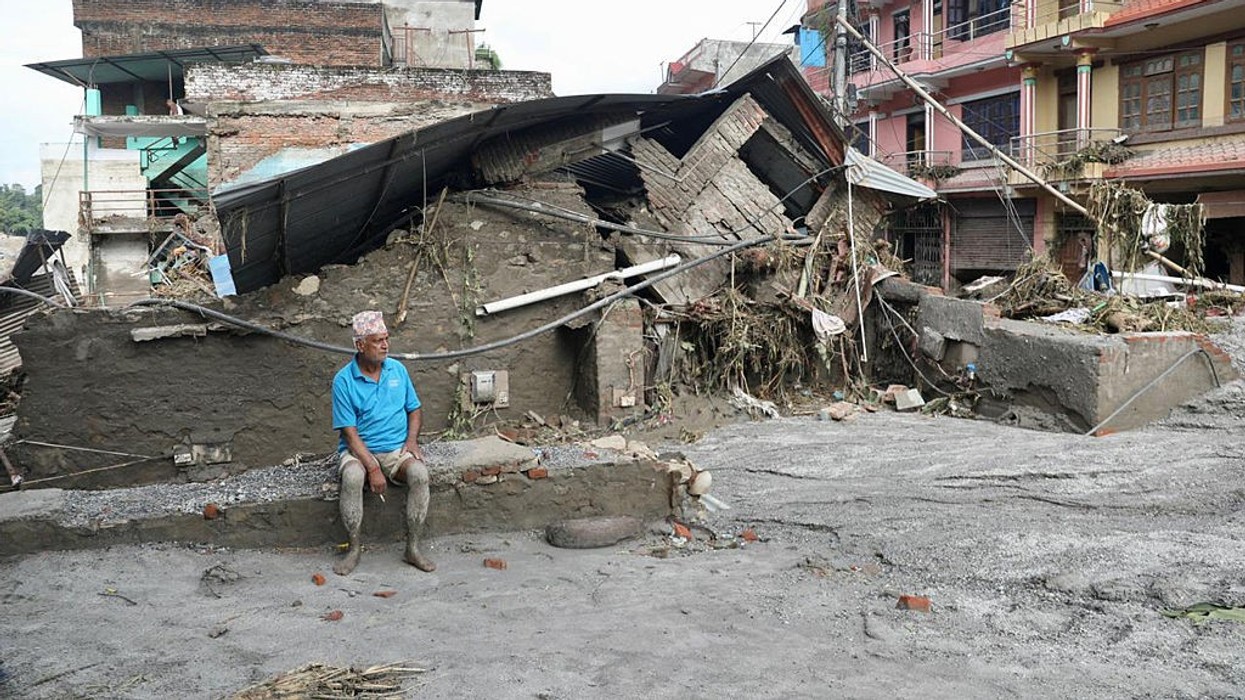
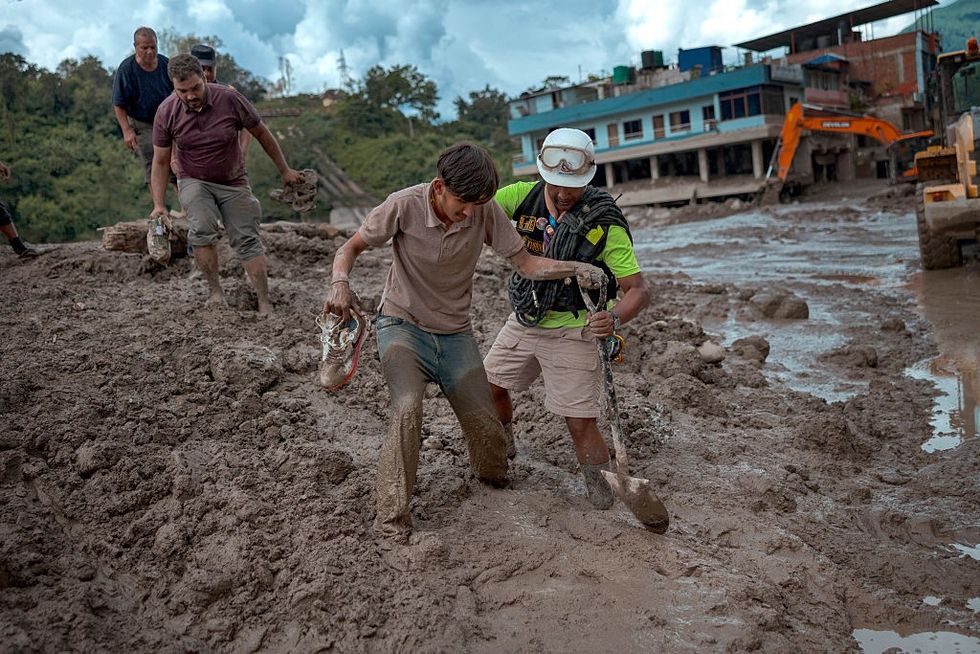 A rescuer assists a resident through heavy mud following flash floods on August 27, 2026 in Trishuli, Nepal. A sudden flood swept through the Bhote Koshi River basin in northern Rasuwa on August 26, damaging settlements, roads and energy infrastructure as rescue teams searched for residents and foreign travellers reported out of contact. Hundreds were reported missing, as the death toll started to climb.Getty Images
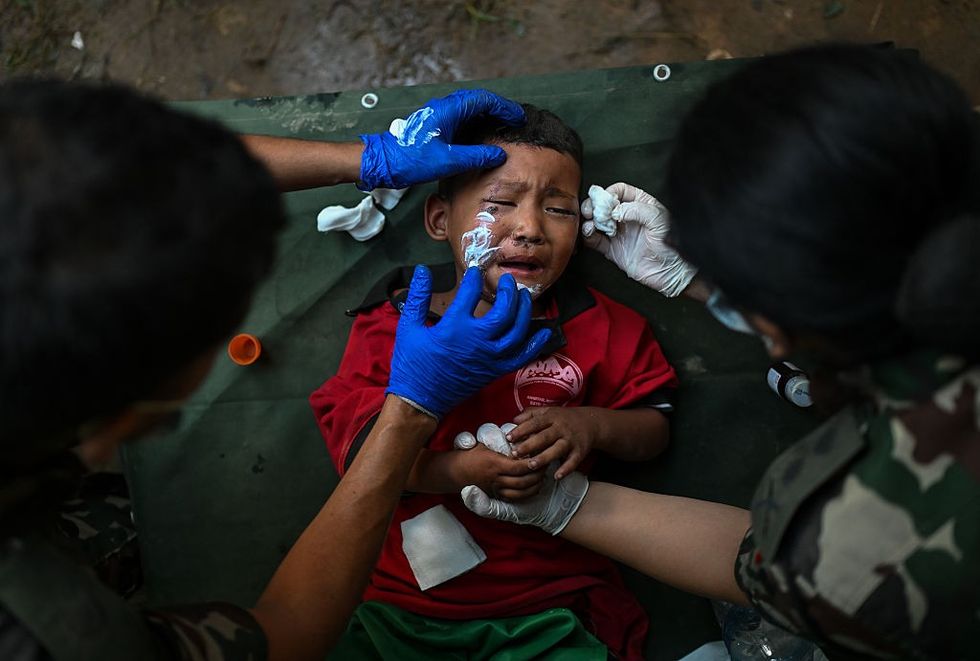 Rescue personnel provide medical treatment to a child at an army rescue camp in Trishuli Batar, Nepal, on August 27, 2026. A sudden flood swept through the Bhote Koshi River basin in northern Rasuwa on August 26, damaging settlements, roads and energy infrastructure, as rescue teams searched for residents and foreign travellers reported out of contact. Hundreds were reported missing as the death toll began to climb. Getty Ima
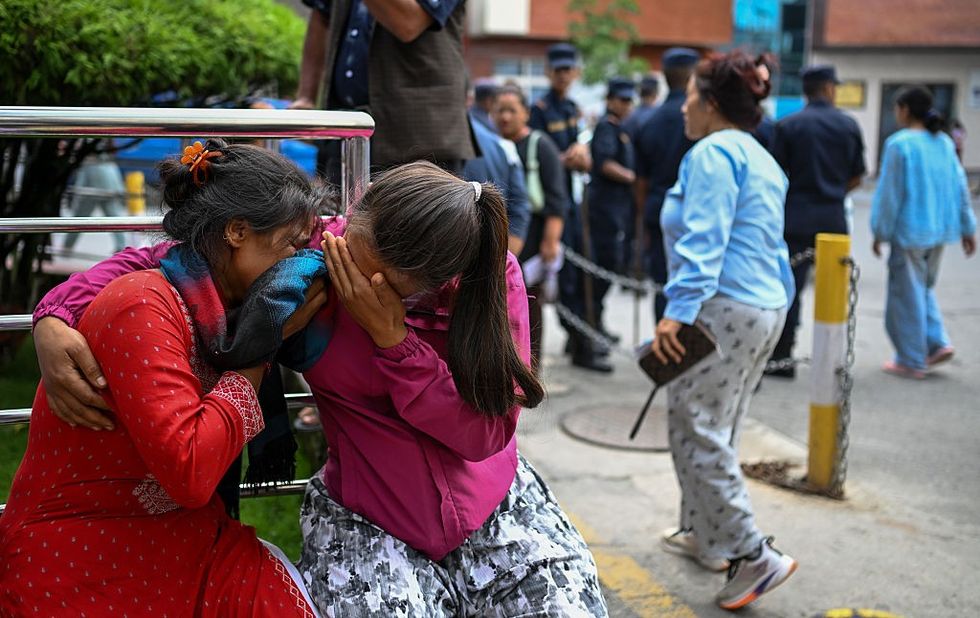 Family members of missing flood victims react at the emergency ward of the Maharajgunj Medical Campus, part of the Tribhuvan University Teaching Hospital, on August 28, 2026 in Kathmandu, Nepal. Authorities said the flash floods were triggered after a mass of ice, mud and rock collapsed into a Himalayan river near the Nepal-China border, leaving hundreds dead or missing and causing widespread damage in affected districts. Authorities continued the gruelling search for victims, many buried under metres of mud, as both China and Nepal issued fresh flooding alerts.Getty Images