
Highlights:
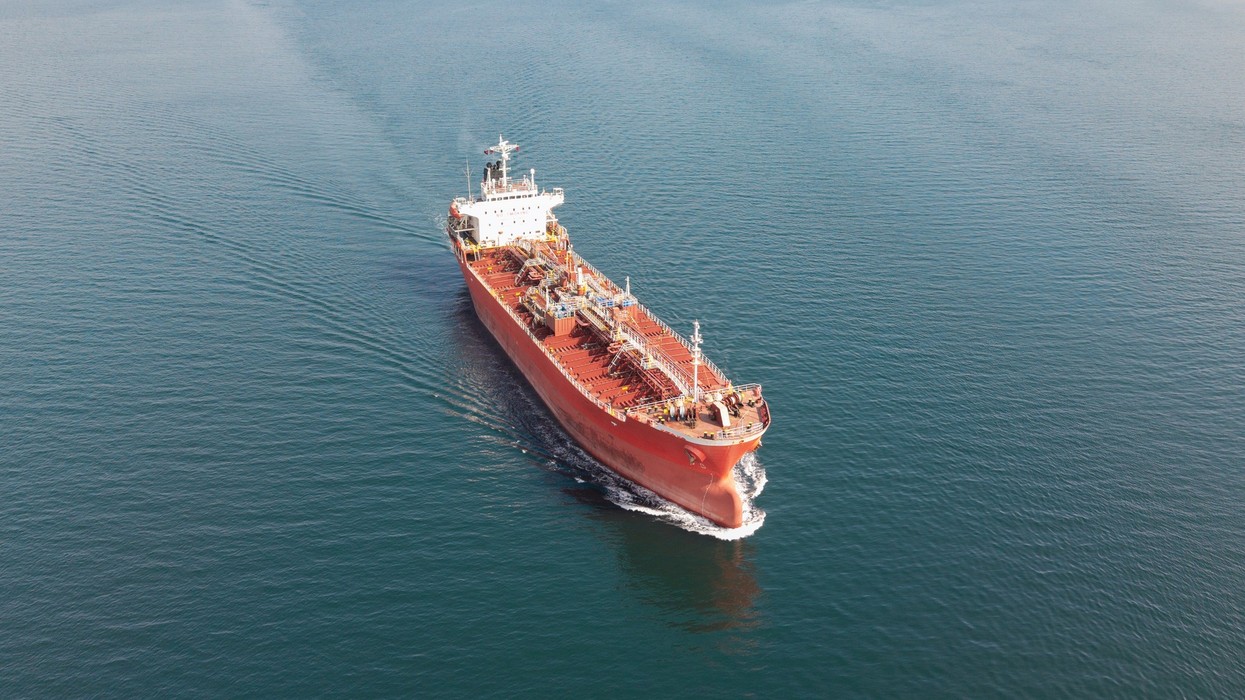
A Chandigarh-based couple and a network of companies operating primarily from India have been hit with US sanctions over allegations that they helped Iran transport petroleum by creating fraudulent maritime registries and providing false vessel certifications.
The sanctions, announced by the US Department of the Treasury on Wednesday, target Suniel Kumar Sharma and his wife, Jaspreet Preeti Shahid. Washington alleges that the couple supported Iran's so-called shadow fleet, a network of vessels accused of transporting Iranian oil while attempting to evade international restrictions.
The action also places several India-based businesses controlled by the couple under US sanctions, bringing attention to the alleged role of Indian entities in a maritime network that the American government says has helped Iranian vessels operate despite restrictions.
According to the Treasury Department, Sharma and Shahid allegedly defrauded maritime regulatory administrations across multiple jurisdictions to establish false flagging authorities and maritime classification societies.
“Purporting to represent nations from nearly every continent, from Guyana to Eswatini and Laos, Sharma and Shahid have allowed the Iranian shadow fleet, including those operating on behalf of the Iranian military and its proxies, to evade international restrictions on their operation,” the department said.
How the alleged maritime network operated
The US Treasury said Sharma established the Singapore-based Eswatini Maritime Affairs and International Ship Registry PTE. Ltd. in 2023.
Despite being publicly disavowed by Eswatini authorities, the company allegedly continued providing flagging services to vessels transporting Iranian petroleum.
A vessel's flag indicates the country under whose registration it operates. Flagging services and maritime certifications are important parts of the international shipping system, allowing vessels to establish their registration and regulatory status.
The Treasury Department alleged that Sharma used India-based Oceaniek Technologies India, where he serves as managing director, to establish fraudulent registries claiming to represent Aruba, Nicaragua and Sint Maarten.
The alleged network reportedly extended beyond the Singapore-based company, with several Indian businesses linked to Sharma and Shahid also identified in the sanctions announcement.
Which Indian companies have been sanctioned?
The US government has sanctioned several India-based entities controlled by Shahid, including:
- Precept Trends Private Limited
- Polynesia Maritime Private Limited
- Alexarya Finserv Private Limited
- Alexarya Media and Entertainment Private Limited
- Viharaboating Private Limited
- Aryavart Maritime and Educational Trust
The Treasury Department also identified Ashwani Kumar Dhiman and Ishwinder Singh, both Indian nationals, as nominal directors of Sharma's businesses, including Aryavart Ship Management Private Limited.
The sanctions announcement does not provide further details about their individual involvement in the alleged activities.
US warns against supporting Iran's oil trade
The action forms part of Washington's efforts to disrupt networks that it says help Iran move petroleum despite international restrictions.
US Treasury Secretary Scott Bessent issued a warning to individuals and businesses involved in supporting the Iranian government.
“We know where you are, and we will sanction those who continue supporting the Iranian regime, whether by land, sea, or air,” Bessent said.
The sanctions highlight how businesses operating across different countries can come under scrutiny when Washington believes they are helping restricted oil shipments evade regulatory controls.
For the Chandigarh-based couple and the companies named in the announcement, the US action represents a significant escalation, placing their alleged involvement in Iran's petroleum transportation network under international scrutiny.
The allegations have not been established as criminal convictions, but the sanctions signal Washington's intention to target individuals and businesses it believes are helping Iran's shadow fleet continue operating.