
- Marco Rubio announces new visa restrictions targeting birth-tourism networks
- Visa “fixers” accused of coaching applicants on fraudulent applications are included
- Foreign medical providers facilitating commercial birth tourism could face restrictions
- Birth tourism is already prohibited as a purpose for a US visitor visa
- The policy does not automatically cancel US citizenship for children born to Indian parents
The United States has announced new visa restrictions targeting foreign nationals who knowingly engage in or facilitate commercial “birth tourism,” expanding the Trump administration’s efforts to curb travel arrangements in which foreign nationals come to the country to give birth so their children can obtain US citizenship.
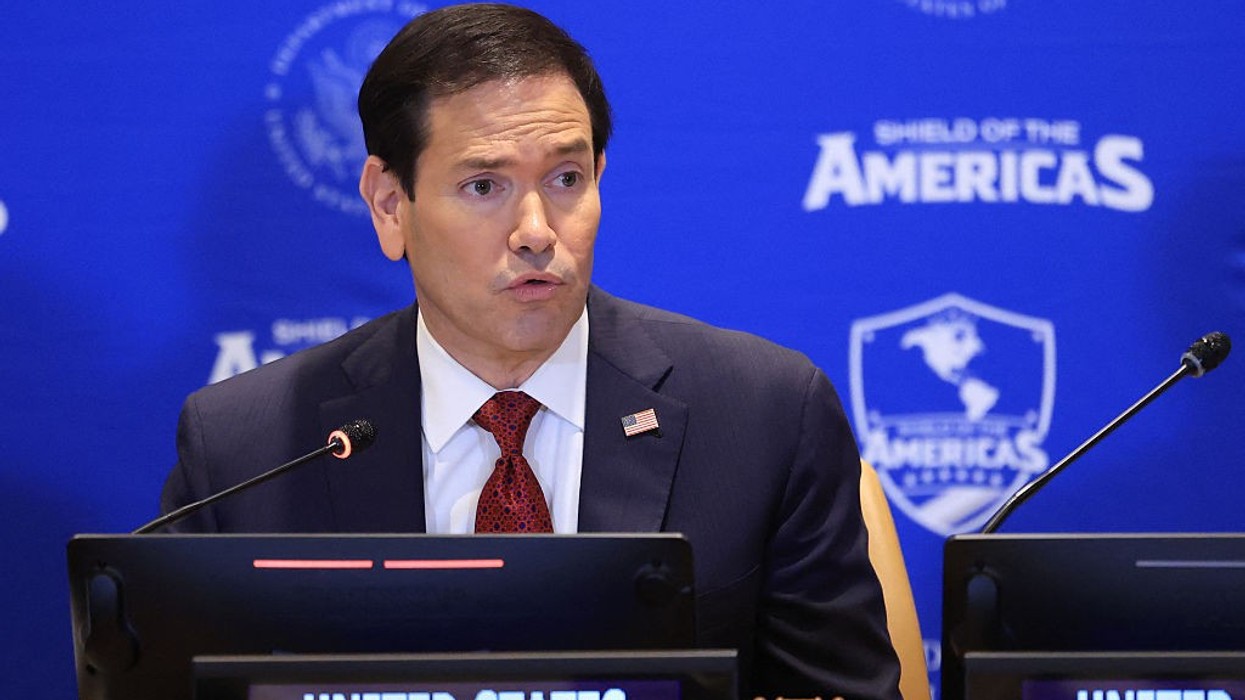
US Secretary of State Marco Rubio announced the policy on September 23, saying the restrictions would focus on the people and networks involved in arranging such trips rather than simply targeting expectant travelers. The State Department said the policy applies to individuals whose activities fall under Section 212(a)(3)(C) of the Immigration and Nationality Act.
The restrictions are aimed at owners, operators and managers of commercial birth-tourism networks, visa “fixers” who coach applicants to commit fraud, foreign medical providers who knowingly facilitate such travel, and others who support or enable the practice.
Rubio said commercial networks had exploited the US immigration system by advertising arrangements, coaching foreign nationals to misrepresent their travel plans on visa applications and charging large sums to organize births in the United States.
What does the new policy mean for Indian travelers?
For Indian nationals, the policy does not create a new prohibition on giving birth in the United States. The State Department already says that traveling to the country on a visitor visa primarily to give birth to obtain US citizenship for a child is not a permissible purpose for that visa.
The latest move instead puts greater attention on the commercial infrastructure behind such arrangements, including people who allegedly help applicants conceal their intentions or arrange medical services.
That distinction is important for Indian families considering travel to the United States. A person traveling for an otherwise legitimate purpose is not automatically covered simply because they are pregnant. The issue highlighted by the State Department is the stated purpose of travel and whether applicants or facilitators engage in fraud.
How common is birth tourism?
There is no government figure specifically measuring how many women enter the United States on tourist visas with the intention of giving birth.
CDC data show that just over 9,500 babies were born in the United States in 2024 to mothers who listed foreign addresses. The figure is not a direct count of birth tourists, however, because it does not establish why the mothers traveled to the United States. There were 3.63 million US births overall that year.
Estimates of actual birth tourism vary. The Migration Policy Institute has cited estimates of roughly 20,000 to 26,000 births annually associated with birth tourism, while noting the difficulty of measuring travelers' intentions.
What about babies born to Indian parents?
The new restrictions should not be interpreted as automatically removing US citizenship from children born in America to Indian parents.
The policy concerns visa issuance and people who facilitate or participate in commercial birth-tourism arrangements. It is separate from the broader legal and political debate over birthright citizenship.
For Indian travelers, the immediate issue is therefore the purpose stated for a US visa and compliance with immigration rules. The State Department's existing guidance makes clear that birth tourism for the purpose of obtaining citizenship is not an allowable basis for a visitor visa.