Highlights:
- Shashi Tharoor questioned the silence of Indian Americans
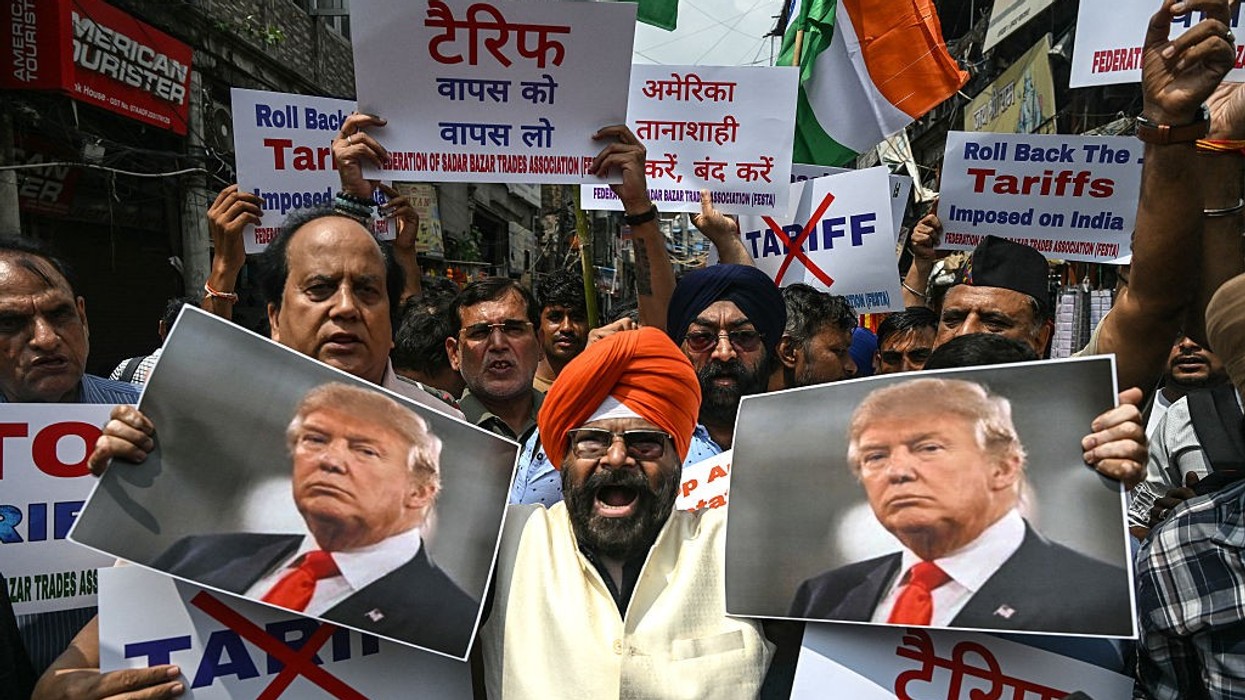
- He discussed concerns over Trump-era trade tariffs
- Asha Jadeja said the diaspora faces a “new anxiety”
- Experts said the Indian American community is politically divided
- The panel called for stronger grassroots advocacy
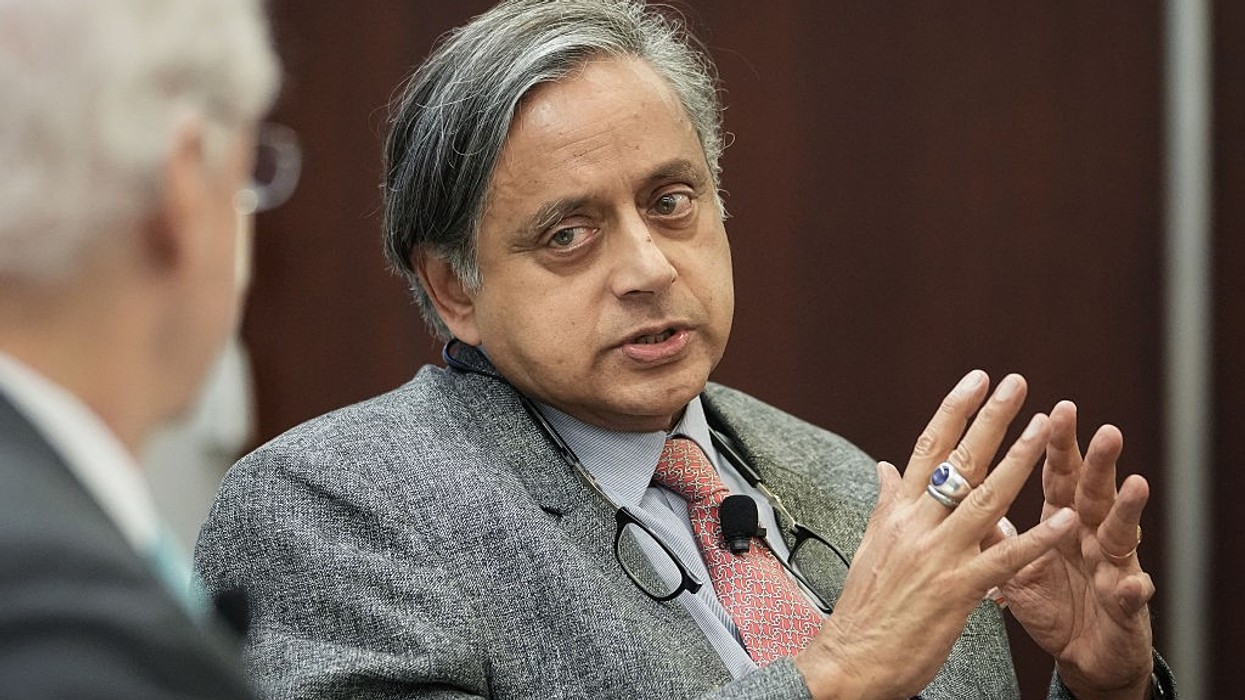
Indian leader from opposition party Shashi Tharoor questioned whether Indian Americans are now “feeling nervous” amid growing trade tensions and rising protectionist policies in the United States.
Speaking at a forum at Stanford University, Tharoor pointed to what he described as an unusual silence from the Indian diaspora over recent trade tariffs linked to president Donald Trump.
Tharoor said the Indian American community has not shown the same level of political activism seen from other influential diaspora groups. He recalled a conversation with a Congresswoman from Texas, who represents around 19,000 Indian American constituents. According to Tharoor, she said she had not received a single call from constituents about the tariffs.
Tharoor expressed concern over the lack of public pushback from Indian Americans despite the growing impact of trade restrictions. He suggested that although the community has achieved major economic success in the United States, it has not built the same level of political influence.
The discussion at the forum focused on whether fear and uncertainty are stopping the community from speaking openly.
Philanthropist Asha Jadeja said many Indian Americans may be experiencing a “new anxiety” because of their visibility and financial success in the country.
She explained that Indian Americans are now seen as the wealthiest ethnic group in the United States. According to Jadeja, this has created concerns about becoming targets of nativist resentment.
She also noted that a large number of H-1B visa holders are Indians, placing the community directly in the center of political debates around immigration and jobs.
Political scientist Sumit Ganguly said the Indian American community is no longer a united voting bloc. He explained that the diaspora is now divided along political lines, making collective action more difficult.
Ganguly said the community lacks a single issue that can unite people in the same way other diaspora groups have mobilized around major concerns in the past.
The panel also discussed how policymaking in the United States has become increasingly concentrated within the White House, limiting the ability of outside groups to shape policy decisions.
Despite the current silence, the panelists discussed the need for stronger political organization within the Indian American community.
Jadeja pointed to the Jewish diaspora as an example of successful grassroots advocacy. She said the current silence should be seen as part of a transition in the political development of Indian Americans rather than a permanent weakness.
Regarding the future of political engagement, she said, “Give it five years.”
The discussion also expanded to larger concerns about the global political order. Tharoor warned against a system driven only by power rather than international rules and agreements.
He said, “India’s interest would definitely be in somehow reconstructing some semblance of world order” where countries agree to follow “common rules of the road.”
The panel agreed that both India and its overseas community would need a stronger and more united voice in global discussions going forward.
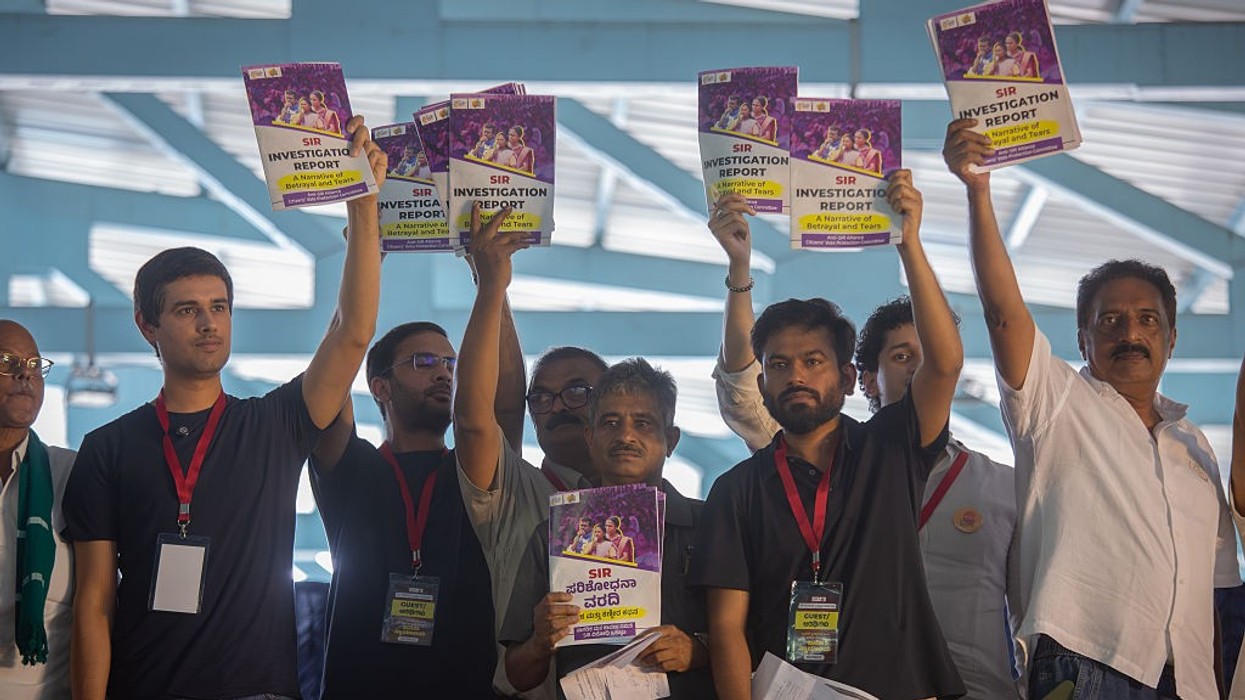
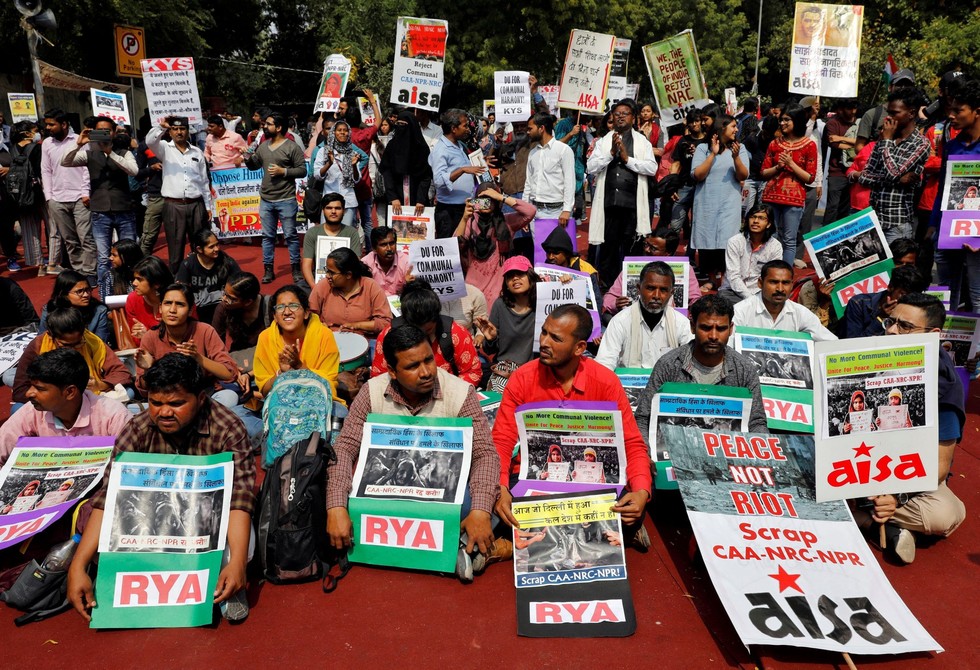
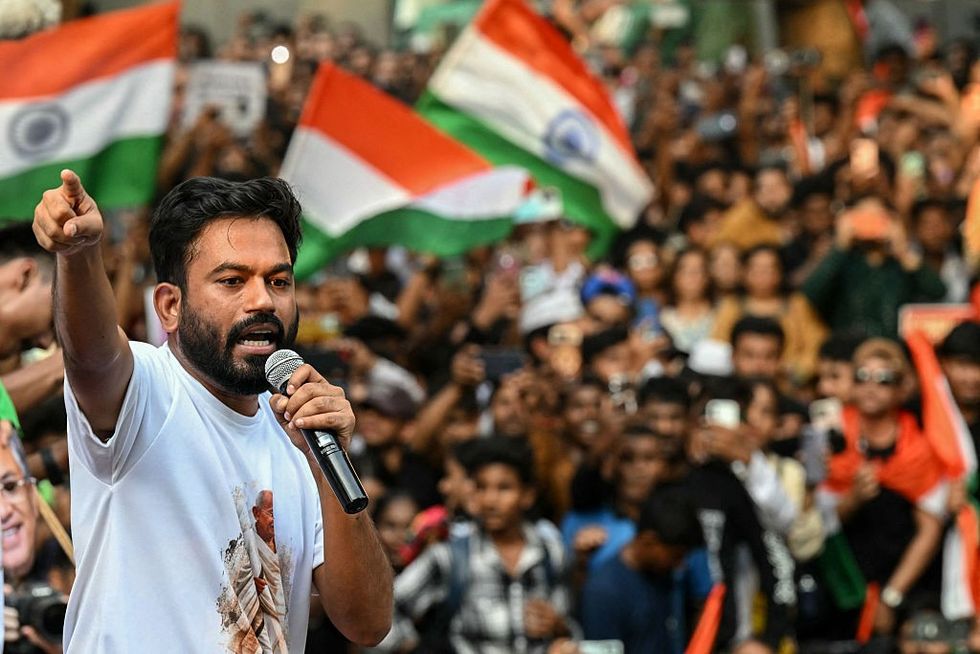 Cockroach Janta Party (CJP) founder Abhijeet Dipke addresses supporters during a protest demanding the resignation of India's chief election commissioner Gyanesh Kumar over alleged voter-roll irregularities in Mumbai on October 2, 2026. Indian protesters rallied in New Delhi and Mumbai on October 2, including members of the popular youth-led "cockroach" party, demanding the resignation of the chief election commissioner over alleged voter-roll irregularities.Getty Images