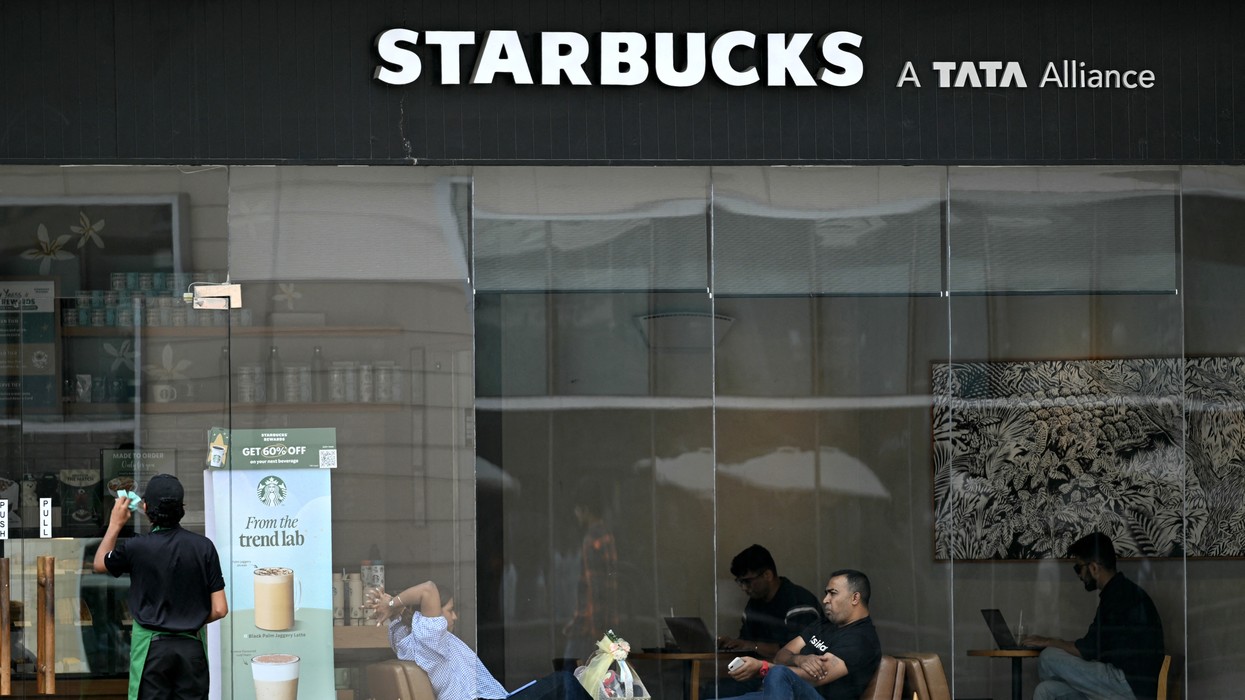

- Eight Starbucks protein drinks are at the centre of a proposed consumer lawsuit.
- The drinks contain between 13g and 21g of sugar per larger serving, according to the complaint.
- Starbucks says the sugar comes from its protein-boosted milk and that the drinks contain no added sugar.
Starbucks is facing a proposed class-action lawsuit in the US over eight protein drinks marketed as “sugar-free”, despite the beverages containing significant amounts of sugar.
The lawsuit, filed in federal court in Seattle on October 2, claims the drinks contain between 13g and 21g of sugar in larger servings and that Starbucks’ use of the term “sugar-free” is misleading and violates federal labelling rules.
The case was brought by three consumers from California, New York and Washington who bought Starbucks’ protein drinks. They are seeking damages for US consumers who purchased the products and want Starbucks to stop using the “sugar-free” label on drinks that contain sugar.
What Starbucks drinks are being challenged?
The lawsuit covers eight drinks: hot and iced versions of the Sugar-Free Vanilla Protein Latte, Sugar-Free Caramel Protein Latte, Sugar-Free Vanilla Protein Matcha and Sugar-Free Caramel Protein Matcha.
The products were introduced as part of Starbucks’ push into high-protein drinks, which the company launched in 2025 as demand for functional and protein-focused beverages grew.
Starbucks’ own website currently lists the Sugar-Free Caramel Protein Matcha at 16g of sugar for a 16-ounce grande serving. Its ingredients include milk, sugar-free caramel syrup, protein powder and matcha.
For comparison, the lawsuit points out that a single Reese’s peanut butter cup contains about 11g of sugar. A 20-ounce Starbucks version of the caramel protein matcha listed by the company contains 21g of sugar, according to the lawsuit and AP.
The company also describes these drinks as containing no added sugar, which is different from containing no sugar at all.
Why does Starbucks say the drinks are sugar-free?
Starbucks says it does not add sugar to these beverages.
The company says the sugar comes from the protein-boosted milk used in the drinks, while sugar-free syrups are used for flavouring. Starbucks also publishes the drinks’ nutritional information on its website and app.
“We believe these claims have no merit,” a Starbucks spokesperson said, adding that the company has “consistently and clearly provided information” about its protein beverages, sugar-free options, customisation choices and nutritional content.
Starbucks said it intends to “vigorously defend” itself against the lawsuit.
The company’s current menu similarly describes the Sugar-Free Caramel Protein Matcha as containing no added sugar, while listing 16g of total sugar for a grande serving.
That distinction is central to the dispute.
What does ‘sugar-free’ mean under US rules?
Under US Food and Drug Administration rules, “sugar-free” is not simply another way of saying “no added sugar”.
The FDA says a food using a “sugar-free” claim must contain less than 0.5g of sugars per reference amount and per labelled serving, subject to other requirements. The definition covers sugars generally, including naturally occurring sugars, rather than only sugar added during processing.
The lawsuit argues that Starbucks’ drinks therefore do not qualify for the “sugar-free” description because their sugar content is substantially higher.
The plaintiffs also allege that Starbucks failed to provide certain disclosures required when a product makes a sugar-free claim but does not meet the relevant low-calorie requirements.
However, the lawsuit represents the consumers’ allegations, not a court finding that Starbucks has violated federal law.
Why is the lawsuit significant?
The case highlights a growing problem for food and drink companies trying to market products around “no added sugar”, “zero sugar” and “sugar-free” claims.
For consumers, the terms can sound interchangeable even though they can have different meanings.
A drink can contain no sugar added by the manufacturer while still containing naturally occurring sugars from ingredients such as milk or fruit. Starbucks is relying on that distinction in defending its protein drinks.
The company has also positioned the beverages around their protein content. Its current protein-drink range includes beverages delivering roughly 27g to 36g of protein, depending on the product and size.
The lawsuit now puts the wording used to market those products under scrutiny.
The court will ultimately have to consider whether Starbucks’ labelling and marketing complied with the relevant federal and state consumer-protection rules.
For now, Starbucks maintains that its claims are legitimate, while the consumers bringing the case argue that calling drinks containing up to 21g of sugar “sugar-free” is deceptive.