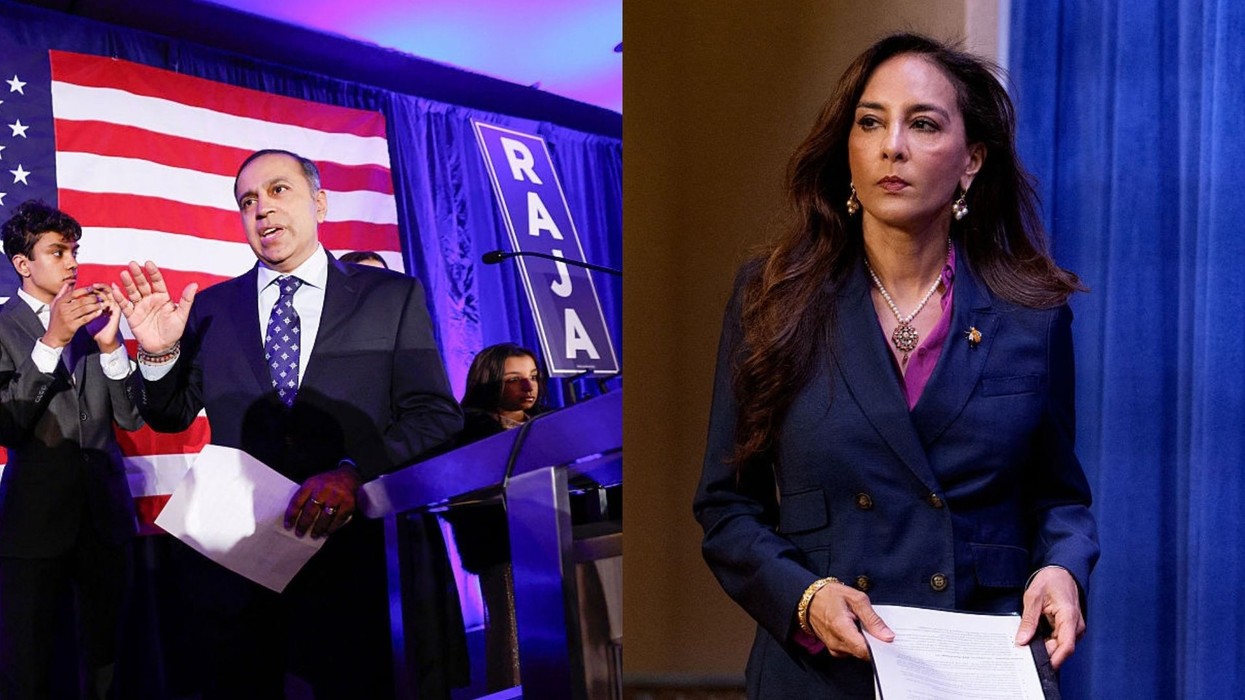
A LEGISLATOR of India’s ruling Bharatiya Janata Party (BJP) from the southern state of Karnataka, where the party is also in power, has blamed the Taliban takeover of Afghanistan as a major reason for the skyrocketing prices of gas, petrol and diesel in India.
Arvind Bellad, who represents Karnataka’s Hubli-Dharwad West constituency in the state legislature, recently said fuel supply across the world is witnessing problems since the beginning of the Taliban’s return to power in Afghanistan.
“This has led to an increase in the price of gas, diesel and petrol in India,” he was quoted as saying by news agency Asian News International.
Prices of petrol have breached the three-figure mark in several parts of India while those of diesel, the most used fuel in the country, has also soared high, leaving the common man in discomfort.
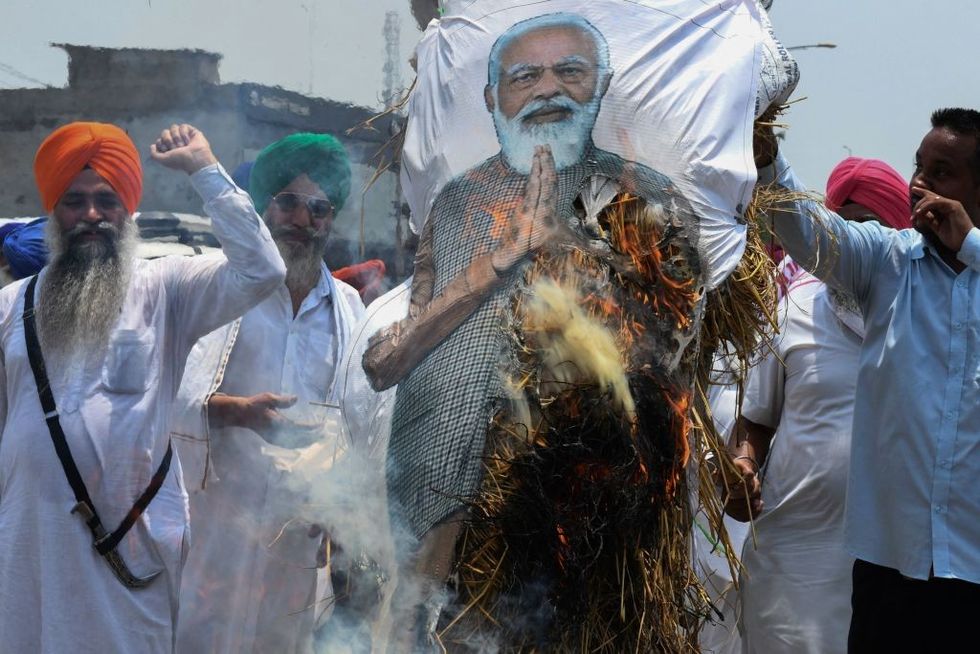 Farmers shout slogans as they burn an effigy of Indian prime minister Narendra Modi during a protest against the hike in petrol, diesel and cooking gas prices near Amritsar in the Indian state of Punjab in July 2021. (Photo by NARINDER NANU/AFP via Getty Images)
The opposition in India targeted the Narendra Modi government over the rising fuel prices in the recently held monsoon sessions in the parliament. The government has, however, blamed the previous government led by the Indian National Congress for the rise in fuel prices.
Bellad is not the first politician from the BJP to have linked the ongoing crisis in Afghanistan to the rising fuel prices in India.
'Go to Afghanistan, oil is cheap there'
Last month, a BJP leader from the central Indian state of Madhya Pradesh hit back at a journalist asking him to go to Afghanistan when he was asked about the high inflation and fuel prices in India. Ramratan Payal, a district-level leader, said there was no one to buy oil in Afghanistan where it is being sold at Rs 50 a litre.
Another BJP leader from the eastern Indian state of Bihar named Haribhushan Thakur asked everyone who felt any sort of fear to go to Afghanistan and added that prices of fuel were cheap there.
Is Afghanistan turmoil affecting global oil prices?
It was, however, not yet clear whether the turmoil in Afghanistan, a strategically important country, will impact the global prices of crude.
While Afghanistan is neither a prominent oil-producing nation nor a major consumer, the impact of the ongoing confusion and chaos there could spill over in the region which includes key oil-producing nations like Iran and Saudi Arabia.
“What happens in Afghanistan in near future will impact oil prices, especially if the Taliban go back to their old ways and allow sanctuaries to Islamic fundamentalists from hydrocarbon-rich Middle East, North Africa, and Central Asia,” energy expert Narendra Taneja said in a tweet last month.
Barrons, a Dow Jones & Company publication, said the ongoing tensions in the “Middle East have the potential to lift prices”.