
Highlights:
In a dramatic escalation of immigration enforcement, the Trump administration has announced a comprehensive review of all 55 million active US visas globally. The goal, according to the State Department, is to identify potential visa violations that could result in revocation and deportation of foreign nationals. This extensive screening covers every category of US visa holders, including tourists, students, workers, and business travelers.
Officials explained that all visa holders are now subject to “continuous vetting,” which aims to flag any signs of visa overstays, criminal activity, public safety threats, or possible links to terrorism. The policy is framed as a step to bolster US national security and public safety in an increasingly complex and volatile global environment.
Digital scrutiny and tighter entry protocols
The review process, made possible by new rules introduced earlier in the year, is more intrusive than ever before. Visa applicants must now disable privacy settings on their electronic devices during visa interviews, enabling the government to access and analyze a broader range of personal data. Additionally, US authorities will examine social media accounts, gather law enforcement and immigration data from applicants’ home countries, and scrutinize any record of US law violation.
A notable development is the Trump administration’s recent access to millions of immigrants’ tax records from the Internal Revenue Service (IRS), which will be used to cross-check for any financial violations or fraud. Anyone found in breach of visa eligibility requirements risks immediate revocation; those already residing in the US may face swift deportation.
Simultaneously, the State Department is weighing the introduction of a bond system, requiring some visa applicants to pay amounts as high as $15,000 to secure their entry, further tightening visa procedures.
Special focus on Indian visa holders and students
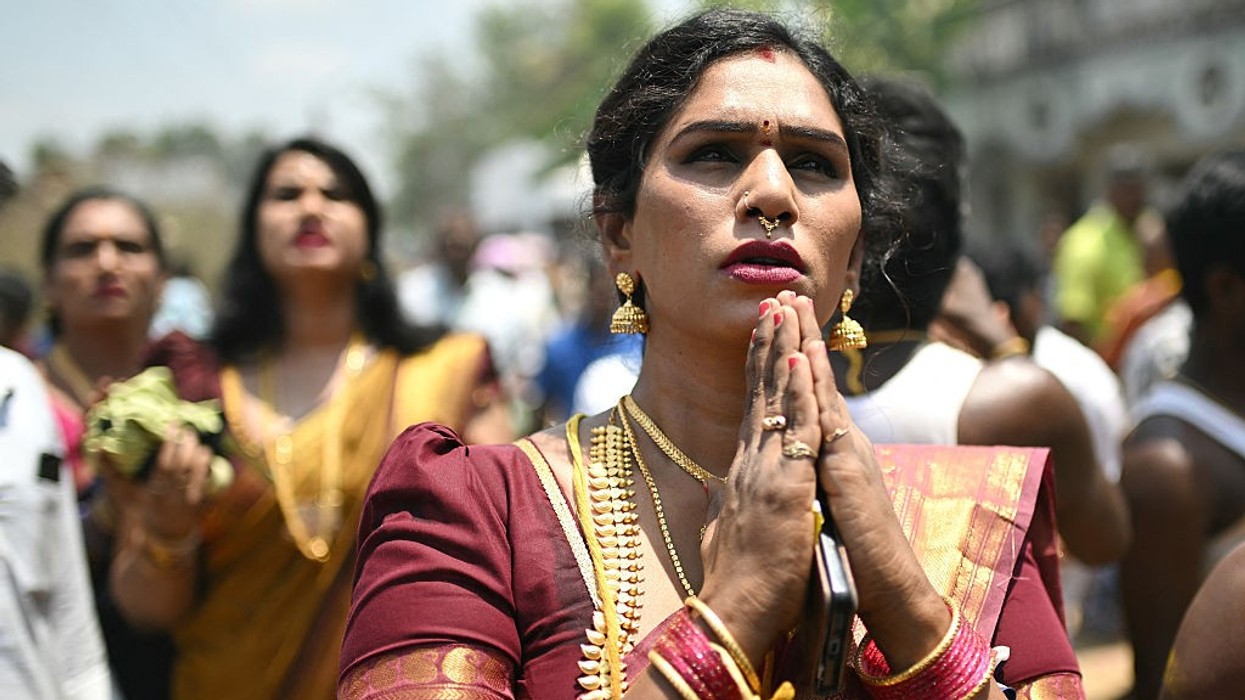
With an estimated five million Indians currently holding active US nonimmigrant visas—including B1/B2 (tourist/business), F-1 (students), and H-1B (workers)—the Indian community could face significant impacts from these measures. At least one million Indian visa holders are believed to be living in the US.
The intensified review follows an earlier focus on overseas students, particularly those involved in pro-Palestinian or anti-Israel demonstrations which the administration controversially categorized as “anti-American” or “antisemitic.” Since January, over 6,000 student visas have been revoked—reasons cited include visa overstays, criminal offenses like assault and driving under the influence, and in about 300 cases, alleged support for terrorism.
Worker visas for commercial drivers paused after tragic incident
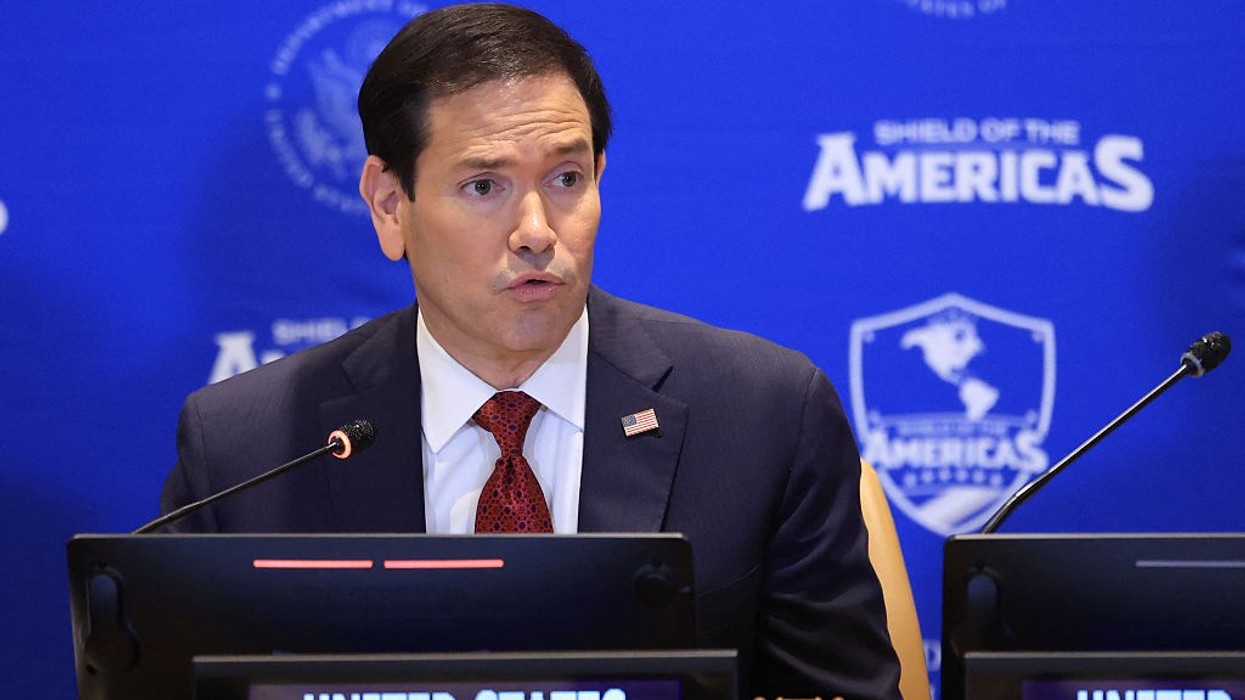
In a related development, Secretary of State Marco Rubio announced an immediate suspension of new worker visas for commercial truck drivers. This follows a tragic accident in Florida that claimed three lives, involving Harjinder Singh, an Indian Sikh who entered the US illegally and later failed elementary English and road sign tests.
Rubio stated, “The increasing number of foreign drivers operating large tractor-trailer trucks on US roads is endangering American lives and undercutting the livelihoods of American truckers.” According to Sikhs Political Action Committee (SikhsPAC), as of 2018, there were around 150,000 Sikhs employed in the US trucking industry, with roughly 135,000 serving as drivers.
The Trump administration’s sweeping review signals a new era of stringent scrutiny and heightened barriers for visa holders and applicants. As the US ramps up digital vetting, imposes new financial conditions, and applies tighter sector-specific restrictions, millions—especially large immigrant communities like Indian nationals—face greater uncertainty over their future in the country.