
Highlights:
- A US trade team is expected to visit India soon.
- Talks may focus on ongoing Section 301 investigations.
- A trade deal may happen only after the USTR probe ends.
- India and the US held trade talks in Washington in April.
- China became India’s largest trading partner in 2025–26.
A United States trade delegation is expected to visit India for another round of trade negotiations, according to sources quoted by ANI. However, the dates for the visit have not yet been finalized.
Sources said the talks are likely to include discussions about the ongoing Section 301 investigations by the Office of the United States Trade Representative (USTR).
According to the sources, an India-US trade agreement is unlikely until the USTR completes its investigation. “The United States trade team is likely to visit India for trade talks. The dates are yet to be decided. The talks are likely to include sec 301 probes. Expect India-US trade deal only after USTR probe is completed: Sources,” ANI posted on X.
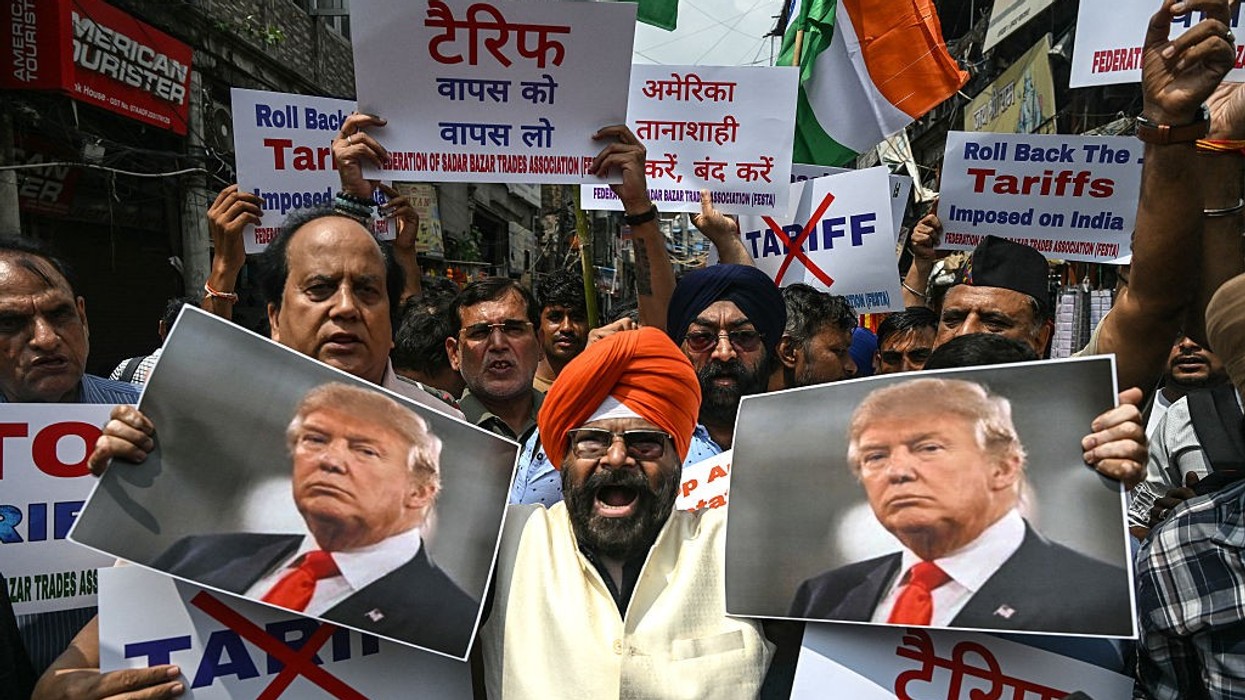
Trade talks between India and the United States have reportedly become more difficult after a February ruling by the US Supreme Court. The court ruled that reciprocal tariffs imposed by the US were unlawful. After the ruling, the USTR launched Section 301 investigations into India under the Trade Act of 1974, according to reports.
The investigations are focused on what Washington describes as “structural excess capacity” in industries such as steel, textiles, and solar modules.
The US has also claimed that Indian manufacturers benefit from overcapacity and the use of forced labor.
India strongly rejected these allegations. According to reports, New Delhi said the US had not identified any specific Indian policies or practices to support the claims.
Last month, India and the United States held three days of trade talks in Washington, DC. A delegation of around 12 Indian officials visited Washington from April 20 to April 22 to continue work on the proposed Bilateral Trade Agreement (BTA).
India’s Ministry of Commerce and Industry said the discussions covered many important trade issues. These included market access, technical barriers to trade, customs rules, investment promotion, digital trade, and economic security cooperation. “The meetings were conducted in a constructive and positive spirit, with meaningful and forward-looking discussions enabling progress on key matters. Both sides agreed to remain engaged to maintain this momentum as they move forward,” the ministry said.
US Trade Representative Jamieson Greer earlier described India as a “tough nut to crack” during trade negotiations. After the US Supreme Court struck down president Donald Trump’s reciprocal tariffs, the Trump administration introduced a temporary 10 per cent tariff on imports from all countries for 150 days starting February 24.
Before the court ruling, India and the US had reportedly agreed on a framework for an Interim Trade Agreement (ITA).
Under the plan, US tariffs on Indian products would fall from 50 per cent to 18 per cent. The agreement also included removing a 25 per cent duty connected to India’s purchases of Russian oil.
In return, India proposed reducing or removing tariffs on American industrial and agricultural goods. These included soybean oil, tree nuts, fruits, wine, spirits, and animal feed products.
India also reportedly offered to buy $500 billion worth of US products over the next five years. These purchases would include energy supplies, aircraft, technology products, precious metals, and coking coal.
Meanwhile, China replaced the United States as India’s largest trading partner in 2025-26 after the US held the position for four straight years. India’s exports to the US increased slightly to $87.3 billion in the last fiscal year, while imports from the US rose to $52.9 billion. India’s trade surplus with the US also narrowed to $34.4 billion from $40.89 billion in the previous fiscal year.