
- US and Iran have reportedly agreed to halt attacks in the Strait of Hormuz.
- Technical talks on the June 17 memorandum are expected to resume this week.
- The recent exchange of strikes had threatened a fragile ceasefire.
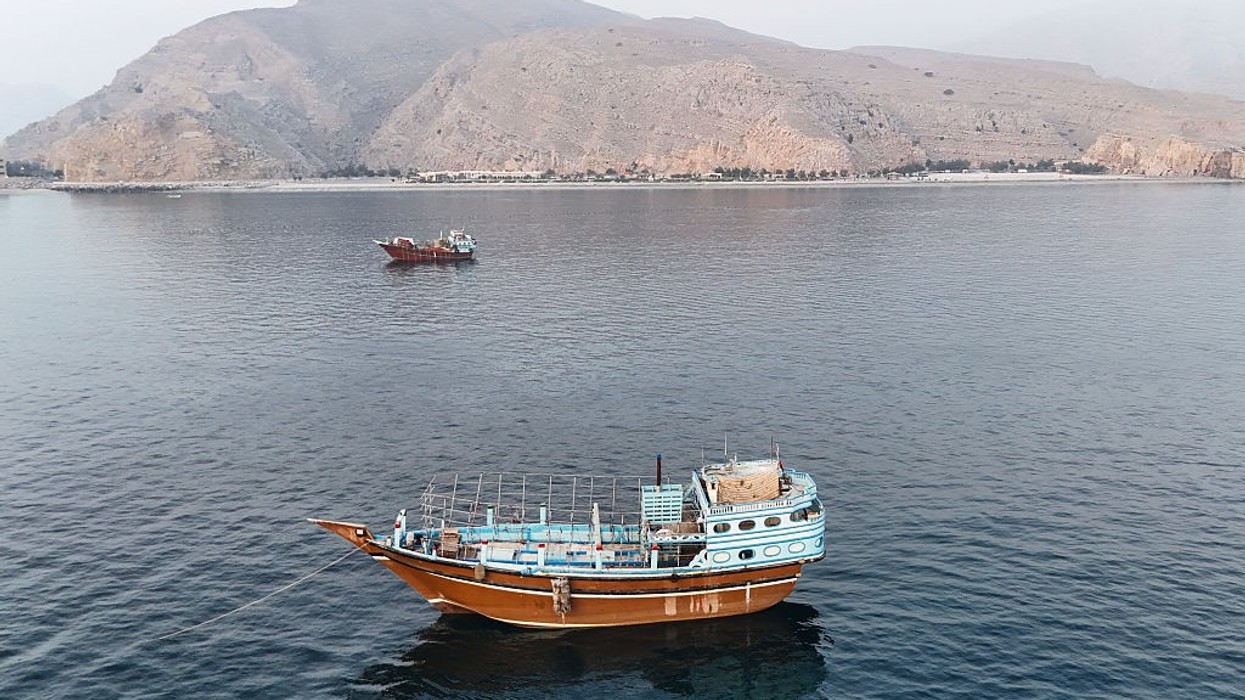
- The Strait of Hormuz remains one of the world's most critical oil shipping routes.
- Iran has not yet publicly confirmed the reported agreement.
The United States and Iran have reportedly agreed to pause military operations in and around the Strait of Hormuz after several days of escalating strikes pushed the region to the brink of a broader conflict on Sunday evening (28).
According to multiple media reports citing a US official, both countries have agreed to "stand down for now," allowing commercial vessels to move freely through the strategic waterway while negotiations resume. Iran has not publicly confirmed the reported agreement.
The move represents an effort to preserve the June 17 Memorandum of Understanding (MoU), a 14-point agreement that called for the "immediate and permanent termination of military operations on all fronts." The accord also committed Iran to using its "best efforts for the safe passage of commercial vessels with no charge for 60 days."
The ceasefire, however, came under strain after renewed military action over the past week.
The latest escalation began Thursday (25) when an Iranian projectile struck a commercial cargo ship transiting the Strait of Hormuz. The attack prompted the US military to launch strikes targeting Iranian surveillance systems, communications infrastructure, air defense installations, drone storage facilities, and minelaying capabilities. US Central Command described the operation as a response to continued threats against international shipping.
Iran retaliated by launching missiles and drones toward US military facilities in Bahrain and Kuwait following additional American strikes inside southern Iran. US officials said none of the projectiles reached their intended targets and reported no casualties or damage.
The exchange fueled fears that the ceasefire signed less than two weeks earlier could collapse completely.
President Donald Trump escalated the rhetoric over the weekend, warning Iran against abandoning the agreement. In a post on Truth Social, Trump said that if Tehran walked away from the deal, "the Islamic Republic of Iran will no longer exist" and warned that the United States was prepared to "militarily finish the job." Iranian officials, meanwhile, threatened to suspend negotiations if military operations continued.
Despite the sharp exchange, diplomacy appears to have regained momentum.
Washington has proposed holding technical talks in Doha as early as this week. The discussions are expected to focus primarily on ensuring safe navigation through the Strait of Hormuz, one of the world's most strategically important maritime chokepoints. Roughly one-fifth of global oil shipments pass through the narrow waterway, making any disruption a significant concern for global energy markets.
The upcoming negotiations are expected to build on high-level meetings held in Switzerland earlier this month. Those discussions reportedly included vice president JD Vance, US special envoy Steve Witkoff, and presidential adviser Jared Kushner meeting with Iranian officials to establish the framework for future negotiations.
Officials are expected to address more complex issues in the coming rounds, including Iran's nuclear program, US sanctions, maritime security, and broader regional stability.
Meanwhile, tensions elsewhere in the Middle East continue to complicate the diplomatic landscape.
The United States also brokered a framework agreement between Israel and Lebanon aimed at reducing hostilities along their shared border. However, the deal has already faced challenges. Hezbollah has rejected the agreement, accusing Lebanon's government of compromising national sovereignty.
Over the weekend, Israel said it destroyed a 200-meter tunnel used by Hezbollah in southern Lebanon that allegedly contained hundreds of weapons. Israeli officials said Washington had been informed before the operation, while Tehran has maintained that lasting regional peace will require an end to hostilities in Lebanon.
Although the reported US-Iran agreement offers a temporary pause in military confrontation, officials on both sides face significant challenges in translating the fragile ceasefire into a durable diplomatic settlement.