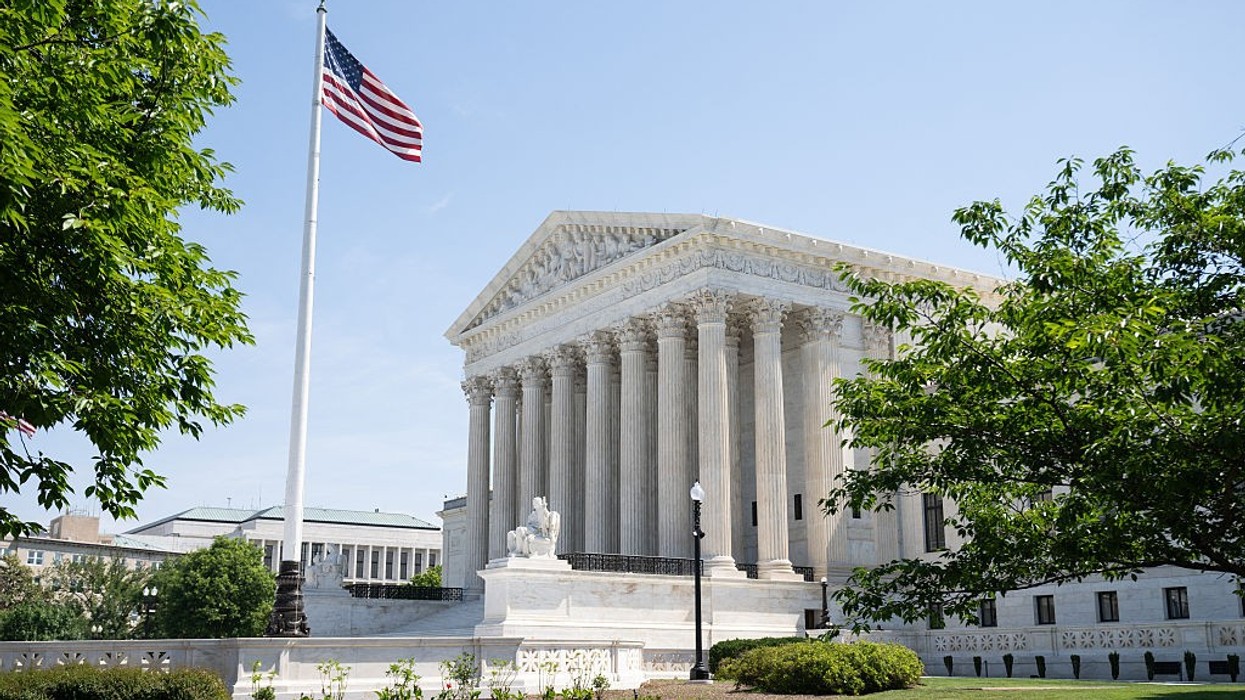

- Supreme Court ruled 6-3 in favor of the Trump administration.
- More than 350,000 Haitians and 6,100 Syrians could lose TPS protections.
- Court said federal judges cannot review TPS termination decisions.
- Justice Elena Kagan argued race influenced the Haiti decision.
- The ruling could affect TPS protections for immigrants from 17 countries.
The US Supreme Court on Thursday (25) ruled that the Trump administration can end Temporary Protected Status (TPS) for hundreds of thousands of immigrants from Haiti and Syria. The 6-3 decision allows the administration to move forward with ending deportation protections for more than 350,000 Haitians and about 6,100 Syrians.
The ruling overturned earlier decisions by federal judges who had blocked the administration from ending the humanitarian program. TPS allows people from countries facing war, natural disasters, or other dangerous conditions to live and work legally in the United States for a limited time.
Justice Samuel Alito, writing for the majority, said the law clearly prevents courts from reviewing the administration's decisions regarding TPS.
"The law governing TPS plainly bars such judicial review," Alito wrote.
The ruling could have wider consequences because about 1.3 million immigrants from 17 countries currently receive TPS protection. The Trump administration has argued that the program was always intended to provide temporary relief rather than permanent legal status.
Acting US Attorney General Todd Blanche welcomed the decision. He said the Justice Department had "successfully defended the position that TPS was always meant to be temporary."
The court's three liberal justices strongly disagreed with the ruling. Justice Elena Kagan, joined by Justices Sonia Sotomayor and Ketanji Brown Jackson, argued that there was clear evidence that race influenced the administration's decision to end protections for Haitians.
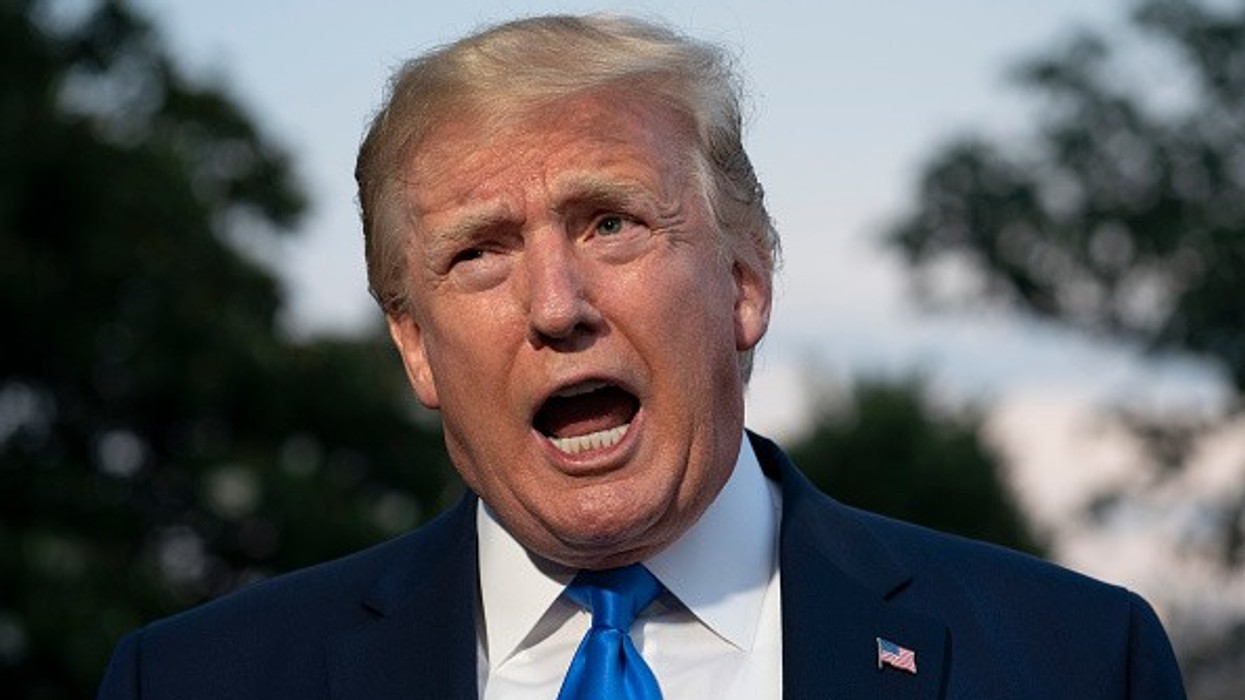
Kagan pointed to several comments made by president Donald Trump during his 2024 reelection campaign, including his false claims that Haitian immigrants were eating cats and dogs in Ohio and his statement that Haitian immigration is "like a death wish for our country."
"The references - of filth, disease and primitiveness - are shot through with racial stereotypes and tropes," Kagan said. "It is hard to imagine the statements being made today of any White community."
Alito rejected those arguments in the majority opinion. He wrote that none of the statements cited was "overtly racial" and could "rest on race-neutral justifications."
White House adviser Stephen Miller defended the administration's immigration policy after the ruling. He said the United States is no longer accepting asylum seekers and argued that Haitian TPS holders should return home despite concerns about violence in Haiti.
"The fact that there might be pockets of Haiti where there's higher crime rates, guess what? There's pockets of Chicago with crime rates just as high," Miller said.
"America's doors are closed fully to asylum seekers," Miller said, adding that the administration has implemented agreements to send asylum seekers to other countries.
Viles Dorsainvil, a Haitian TPS holder and co-founder of the Haitian Support Center in Springfield, Ohio, said the decision has left many families worried about their future.
"Haiti is not safe, and everyone knows it. The court's ruling does not change the reality on the ground or the contributions we make here in the United States," Dorsainvil said.
In a separate 6-3 ruling issued the same day, the Supreme Court also supported the Trump administration's authority to limit asylum processing at the US-Mexico border. The policy, known as "metering," allows immigration officials to stop accepting asylum claims when border crossings are considered too crowded.