
Highlights:
- The US and Saudi Arabia signed a civilian nuclear cooperation agreement.
- The deal comes amid renewed tensions involving the US, Israel, and Iran.
- Reports suggest Saudi Arabia could eventually enrich uranium at home.
- Experts say the agreement sends a strong message to Tehran.
- The deal has raised concerns about a possible regional nuclear arms race.
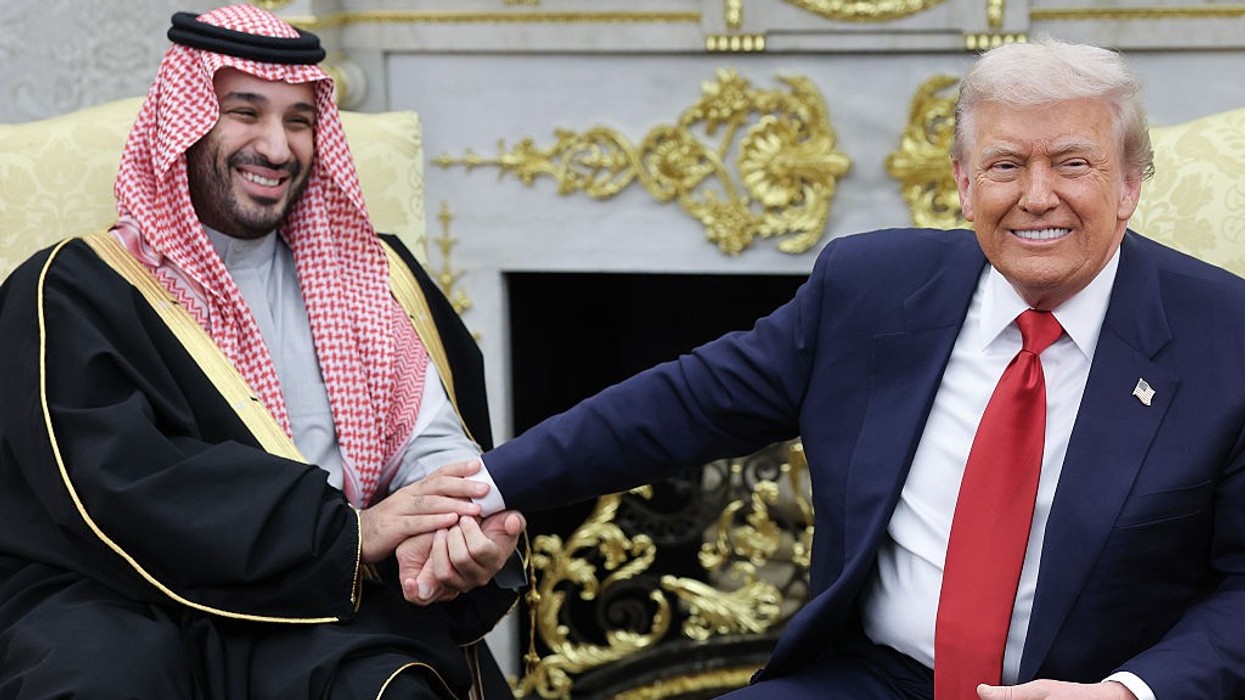
The United States and Saudi Arabia have signed a major civilian nuclear cooperation agreement, marking a new chapter in their strategic partnership. The Trump administration described the agreement as "historic," saying it will strengthen economic ties, improve regional security, and create jobs in the United States.
The agreement falls under Section 123 of the US Atomic Energy Act of 1954, commonly known as a "123 agreement." According to the US Department of Energy, it includes a safeguards agreement designed to ensure that the cooperation follows international nuclear safety and nonproliferation standards.
Energy Secretary Chris Wright said, "These agreements reflect our two nations' shared commitment to strengthening US-Saudi commercial relations, delivering prosperity at home and security to our allies abroad."
He also added, "Rest assured, these agreements uphold the highest standards of nuclear safety and nonproliferation, while relying on the world's best nuclear technology and scientists, designed right here in the United States."
While the agreement focuses on civilian nuclear energy, reports that Saudi Arabia may eventually be allowed to enrich uranium domestically have attracted the most attention. The US government has not officially confirmed those reports, but if true, the move could face political opposition in Washington.
The timing of the agreement is especially significant.
It comes as fighting involving the United States, Israel, and Iran has once again increased tensions across the Middle East. Against that backdrop, many analysts believe the agreement is about much more than commercial nuclear cooperation.
Experts at the Atlantic Council say the deal sends a clear political message to Iran. Jennifer Gordon, the think tank's nuclear policy director, said allowing the possibility of Saudi uranium enrichment "sends a powerful message" to Tehran. Analysts believe Saudi Arabia is trying to strengthen its regional position as it competes with Iran for influence across the Middle East.
The agreement also raises concerns about a possible nuclear rivalry between Saudi Arabia and Iran.
Saudi Crown Prince Mohammed bin Salman has previously said that if Iran develops a nuclear weapon, Saudi Arabia would seek one as well. That statement has made any discussion about Saudi uranium enrichment especially sensitive. Some experts fear the agreement could place both countries on parallel nuclear paths instead of reducing tensions.
Saudi Arabia's close defense relationship with Pakistan has also drawn attention. Pakistan is the only Muslim-majority country with nuclear weapons, and its defense minister has previously said the country's nuclear capability would be "made available" to Saudi Arabia if necessary. While there is no evidence that such a transfer is planned, the comments continue to fuel international concerns.
The deal also raises questions about US nonproliferation policy.
For decades, Washington has encouraged peaceful nuclear energy while limiting the spread of uranium enrichment technology, even among close allies. Critics argue that allowing Saudi Arabia to move toward enrichment could weaken the US position against Iran's own enrichment program.
Analysts also warn that the agreement could encourage other countries in the region to pursue similar nuclear capabilities, increasing fears of a broader Middle East arms race.
Iran has not yet issued an official response to the agreement. However, Tehran has repeatedly insisted that its own nuclear program is for peaceful purposes, even as it continues enriching uranium. The United States maintains that Iran must never acquire a nuclear weapon.
Overall, the US-Saudi nuclear agreement is more than a commercial partnership. While officially focused on civilian energy, it is being viewed by many experts as a strategic move that could reshape the balance of power in the Middle East and significantly influence the future of US-Iran relations.