

Amid rising military tensions between India and Pakistan, US Secretary of State Marco Rubio has urged Islamabad to “immediately de-escalate” its hostilities against India, according to a report by Arab News. The diplomatic warning came after Pakistan launched loitering munitions targeting multiple locations in Jammu and Kashmir, including an attack near Jammu city’s airport.
The situation escalated sharply following the Pahalgam terror attack, which prompted India to carry out a major counterterrorism strike named Operation Sindoor. The mission targeted Pakistan-backed terror infrastructure, destroying camps across nine locations in Pakistan and Pakistan-occupied Kashmir (PoK) in the early hours of Wednesday (7).
The U.S. is closely monitoring the developments in South Asia, given the potential for broader geopolitical consequences. Rubio’s call for de-escalation highlights Washington’s concern over the rapidly intensifying conflict.
Adding to the international pressure on Islamabad, US Congressman Ro Khanna earlier denounced Pakistan Army chief General Asim Munir, calling him a “dictator.” Khanna also urged Pakistan not to retaliate in the aftermath of Operation Sindoor.
“He had called on Islamabad not to retaliate in the aftermath of India’s ‘Operation Sindoor’ that destroyed multiple terror camps in nine locations across Pakistan and Pakistan-occupied Kashmir (POK) in the early hours of May 7.”
The calls from Washington come at a crucial juncture, as both nuclear-armed neighbors appear locked in one of their most serious standoffs in recent years.



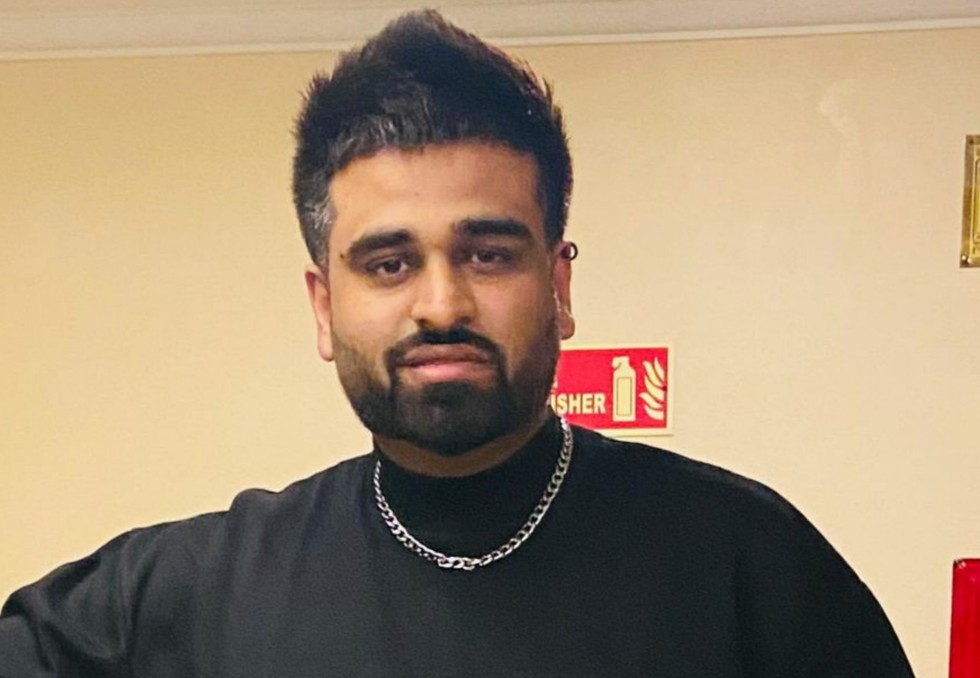


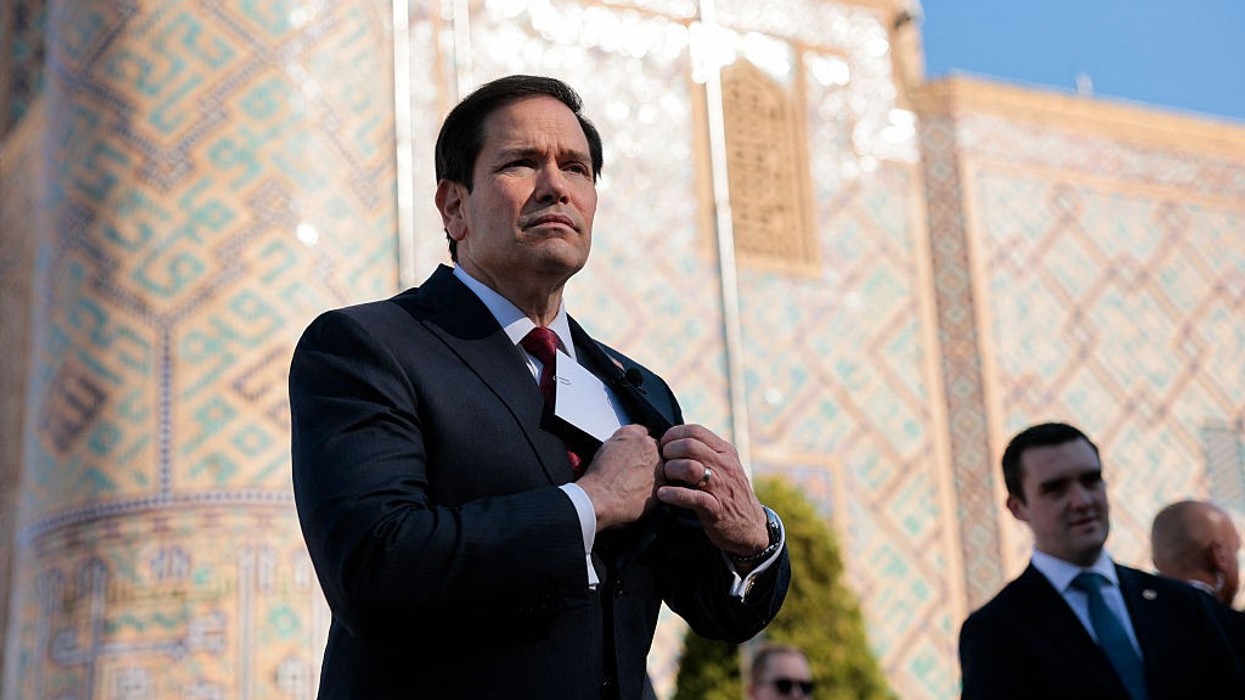

 Chazzy Patel with his electric bike and the memories captured in frames.Google Drive
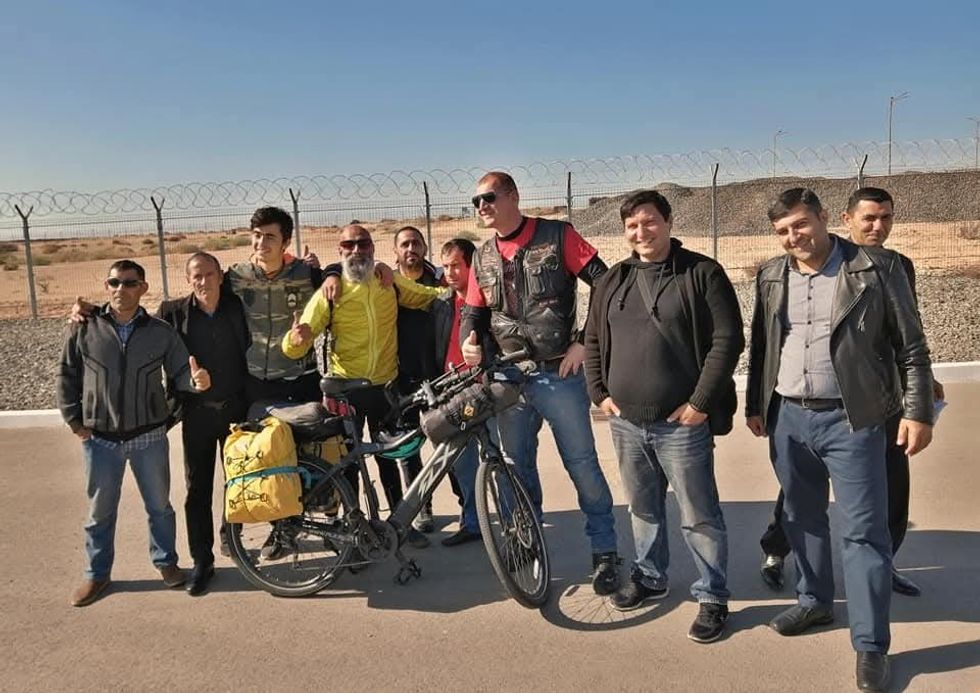 Chazzy Patel with his friends he made while circumnavigating on electric bike.Google Drive
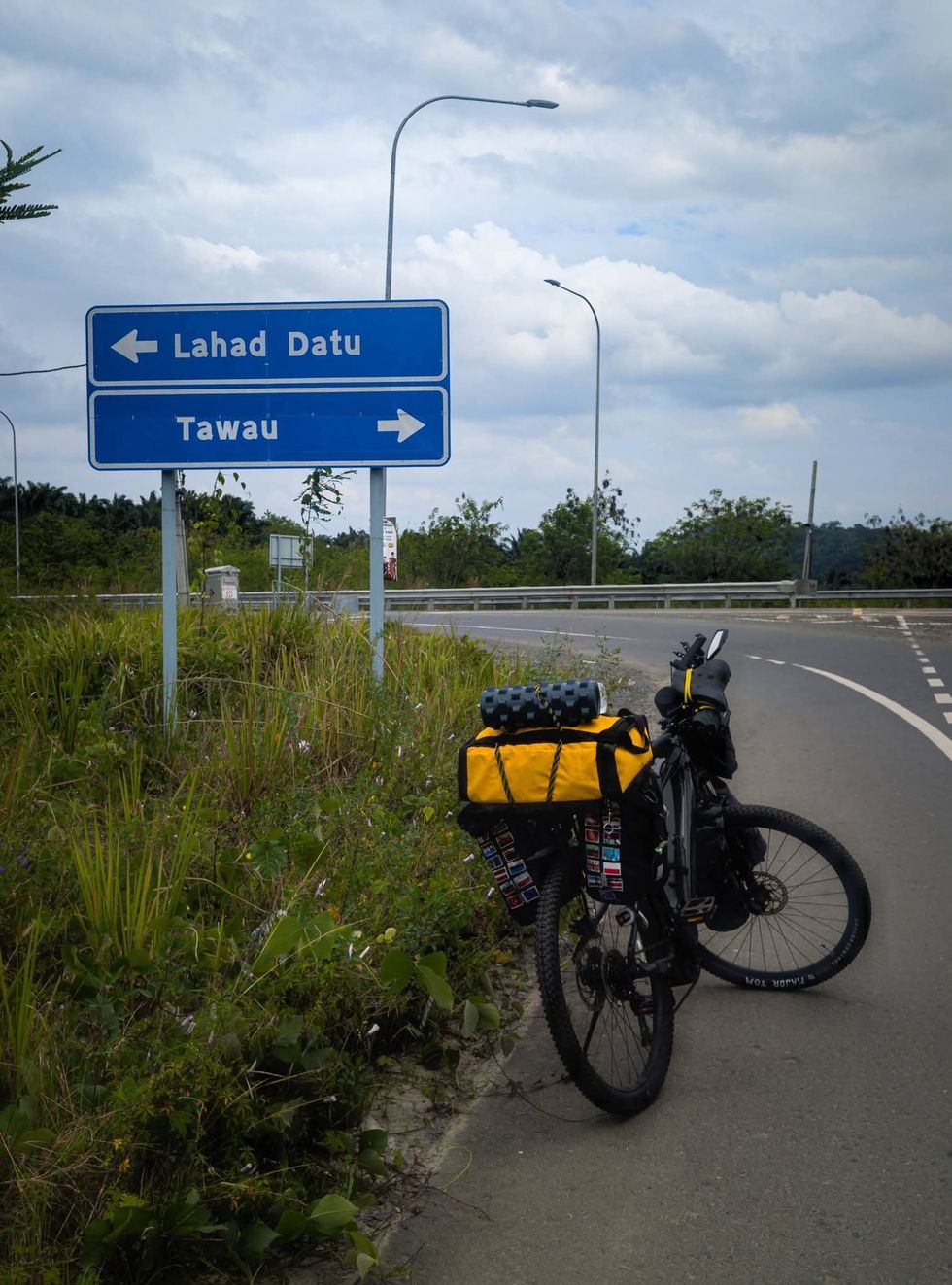 Chazzy Patel's setup in ThailandGoogle Drive