
Highlights:
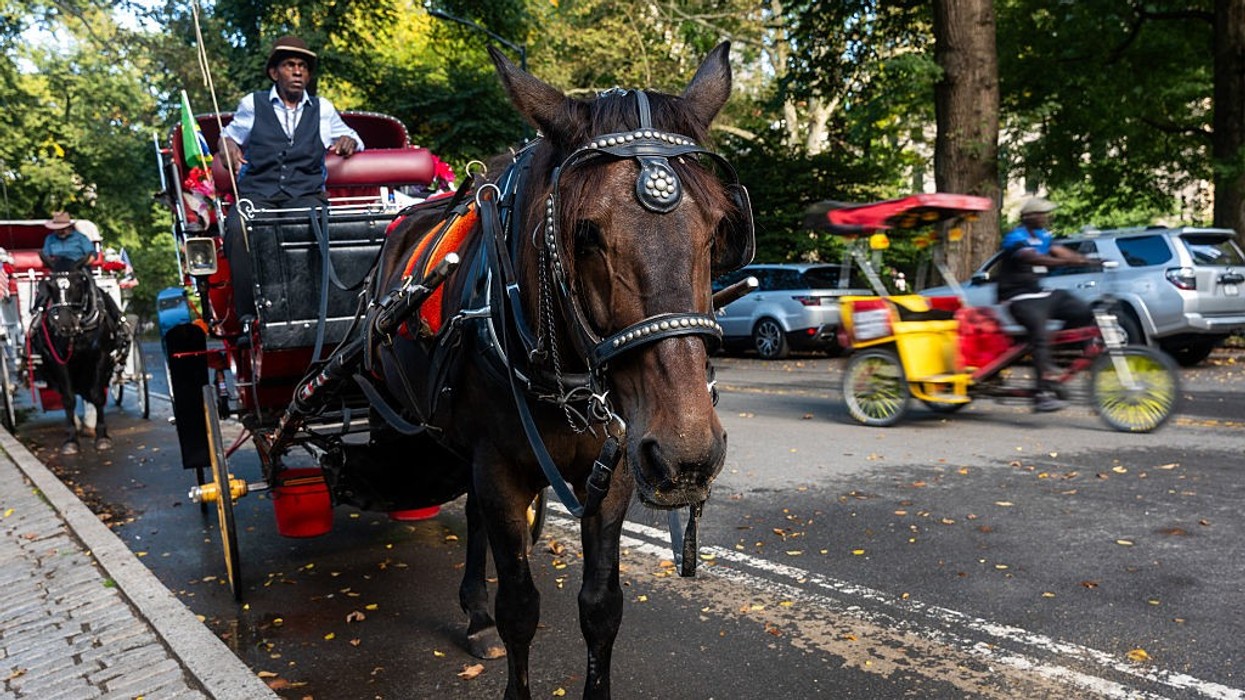
NEW YORK CITY is set to phase out horse-drawn carriages in Central Park under proposed legislation named after an 18-year-old Indian tourist who died following a carriage accident in June.
Mayor Zohran Mamdani and New York City Council speaker Julie Menin have agreed on the bill, known as ‘Romanch’s Law’, which seeks to end horse-drawn carriage operations by June 2028 while providing protections for industry workers, the New York Times reported.
“The horse carriage industry is coming to an end in New York City. Our administration will make sure workers and owners are protected, and the horses are safe,” Mamdani said in a post on X.
The legislation is expected to be put to a vote in the City Council next week. Menin said she believed it would pass the 51-member council with a veto-proof majority, according to the NYT report.
Efforts to ban horse-drawn carriages gained momentum after Romanch Mahajan died from injuries sustained in an accident in Central Park. He had jumped from the carriage to help his mother after she fell out when the horse bolted. He later died from his injuries.
Politico quoted Menin as saying that horse-drawn carriages had long been part of New York City’s history but had become a growing public safety concern in an increasingly busy Central Park.
“Next week, the Council will take decisive action by voting on [this bill] to protect New Yorkers, visitors, and the horses themselves,” she said.
The legislation was previously known as Ryder’s Law, after a 26-year-old carriage horse that collapsed in New York City in August 2022 while pulling a carriage. Ryder died in October that year, prompting animal rights groups, including the Animal Legal Defense Fund, to intensify calls for legislation to ban and replace horse-drawn carriages in the city.
Following Mahajan’s death, the Central Park Conservancy, which is responsible for the park’s day-to-day care, renewed its call for a ban on horse-drawn carriages.
“This is the tragedy we feared when we first called last year for horse carriages to be banned from Central Park due to the risks they pose to public safety and public health,” it said.