PRIME MINISTER Keir Starmer suffered his first rebellion in parliament on Tuesday when several of his Labour MPs voted against the government over its refusal to abolish a two-child limit on welfare payments for parents.
The rebellion is a warning to Starmer that not all will be smooth sailing despite his Labour Party's landslide election victory earlier this month.
With Labour holding a commanding majority in parliament there was no chance it would lose the vote, but the opposition to the policy showed Starmer's hope of leading a united and disciplined party in government has its limits.
Seven Labour MPs voted in favour of a motion, moved by Scottish National Party (SNP) leader Stephen Flynn, calling for the government to immediately scrap the two-child benefit cap, which prevents most parents from claiming welfare payments for more than two children.
Local media reported the seven, who included Labour's former finance spokesperson John McDonnell, had been suspended for six months from the parliamentary party.
The other Labour MPs include Richard Burgon, Ian Byrne, Rebecca Long-Bailey, Imran Hussain, Apsana Begum and Zarah Sultana.
Losing the whip means the MPs are suspended from the parliamentary party and will now sit as independent MPs.
No vote was recorded for a further 42 Labour lawmakers, meaning others may have abstained.
Opponents of the cap, introduced by the then Conservative government in 2017, say the policy is pushing children into poverty.
The government has argued it cannot make unfunded promises, repeatedly saying the fiscal position it inherited from the former Conservative government has forced ministers to take difficult decisions.
"The government is committed to taking action to tackle child poverty," Starmer's spokesperson said earlier on Tuesday.
The House of Commons voted 363 to 103 to reject the amendment tabled in the name of Flynn.
Sultana later told The Guardian, "I slept well knowing that I took a stand against child poverty that is affecting 4.3 million people in this country and it is the right thing to do and I am glad I did it.”
Apsana Begum told BBC that she had voted against the cap because it had "contributed to rising and deepening levels of child poverty and food insecurity for many East End families". (Agencies)











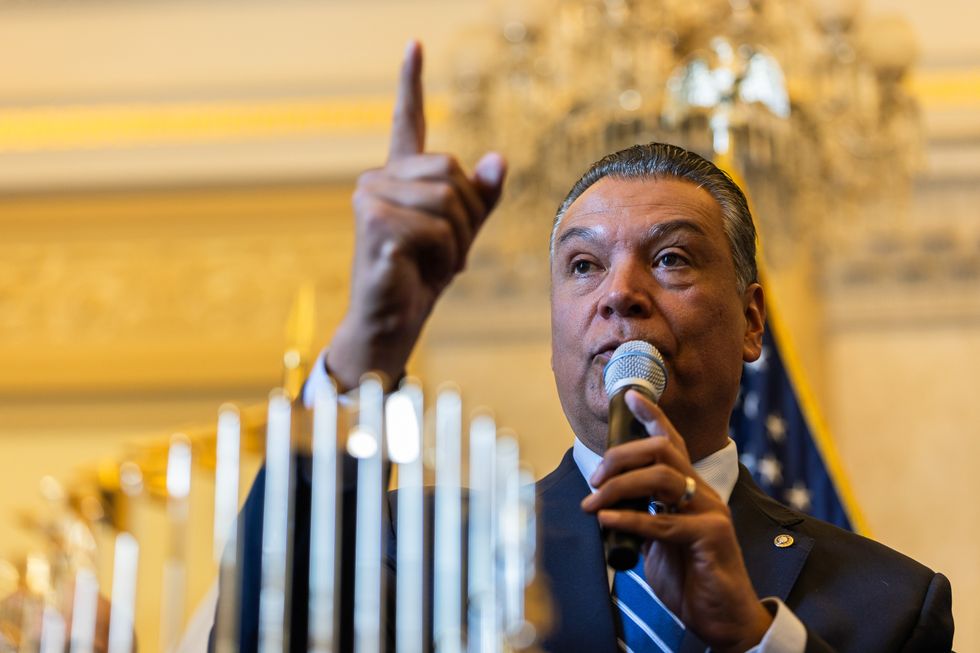 Alex PadillaGetty Images
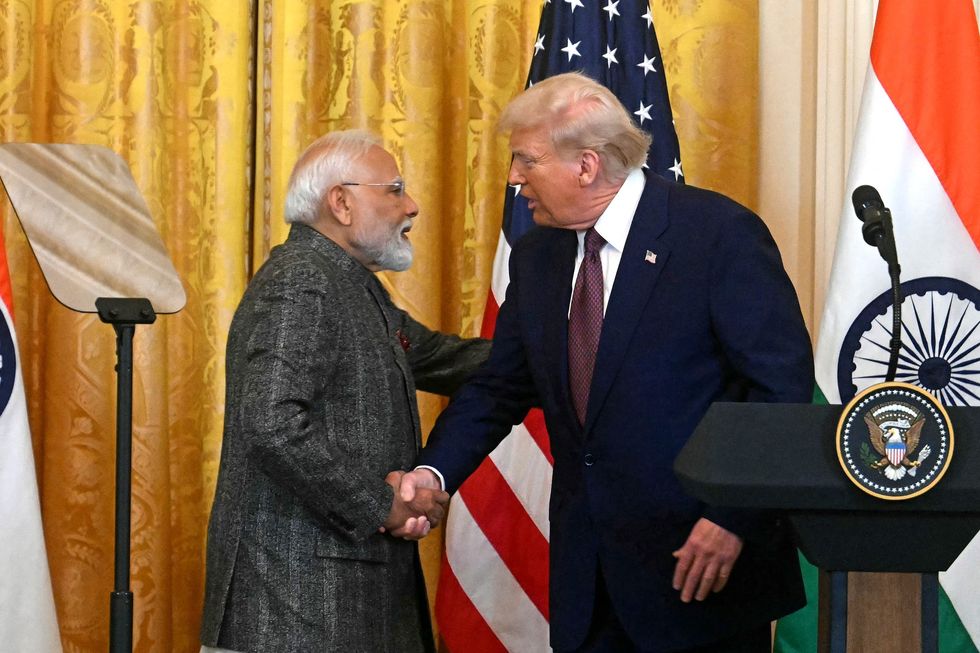 Narendra Modi and Donald Trump during a meeting in 2025Getty Images
  Many Indian H-1B professionals wait years or even decades for permanent residency in the USx
 x
x