

Indian National Congress leader Rahul Gandhi, who is currently in the US where he has criticised the Narendra Modi government in India, on Wednesday (31) told an audience he was speaking to at a session with startup entrepreneurs in Sunnyvale, California, that he knew his phone was being tapped but was not worried about it.
He even said jokingly, "Hello! Mr Modi" on his iPhone.
Speaking on the issue of Pegasus spyware which caused an outrage in India a few years ago and the Modi government was accused of snooping on people, including opposition leaders and journalists among others, Gandhi said that he was not worried about it.
"I presume my iPhone is being tapped. You need established rules with regard to the privacy of data information as a nation and also as an individual," he said.
"If a nation-state decides that they want to tap your phone, no one can stop you. This is my sense," he said.
"If the nation is interested in tapping the phone, then this is not a battle worth fighting. I think whatever I do and work, is available to the government," he claimed.
Gandhi on Wednesday spent half of his day with startup entrepreneurs based out of the Silicon Valley, who are known for undertaking path-breaking work in artificial intelligence and other advanced technologies.
Speaking to experts on artificial intelligence, big data, machine learning and their implications on mankind, the Indian leader said data is the new gold and nations such as India have understood its true potential.
Saeed Amidi, an entrepreneur and CEO of the Plug and Play Tech Centre incubator startup, told the PTI after the event that Gandhi showed a deep understanding of the information technology sector and his knowledge of the latest technologies is impressive.



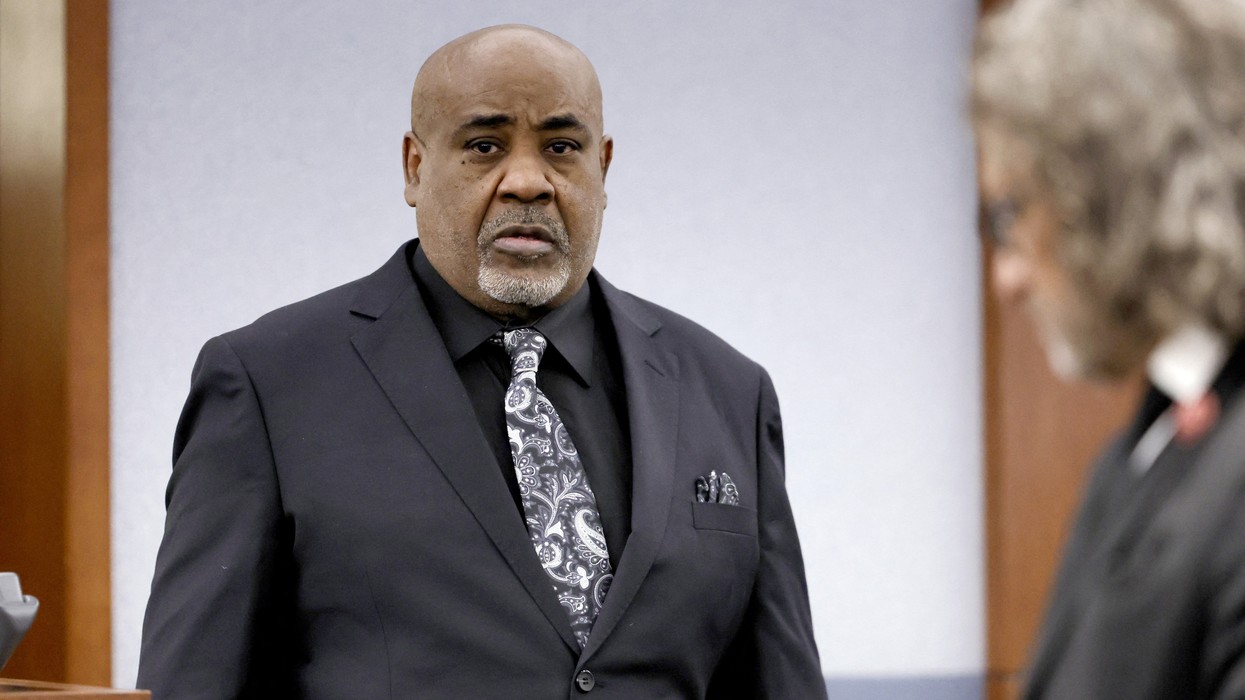
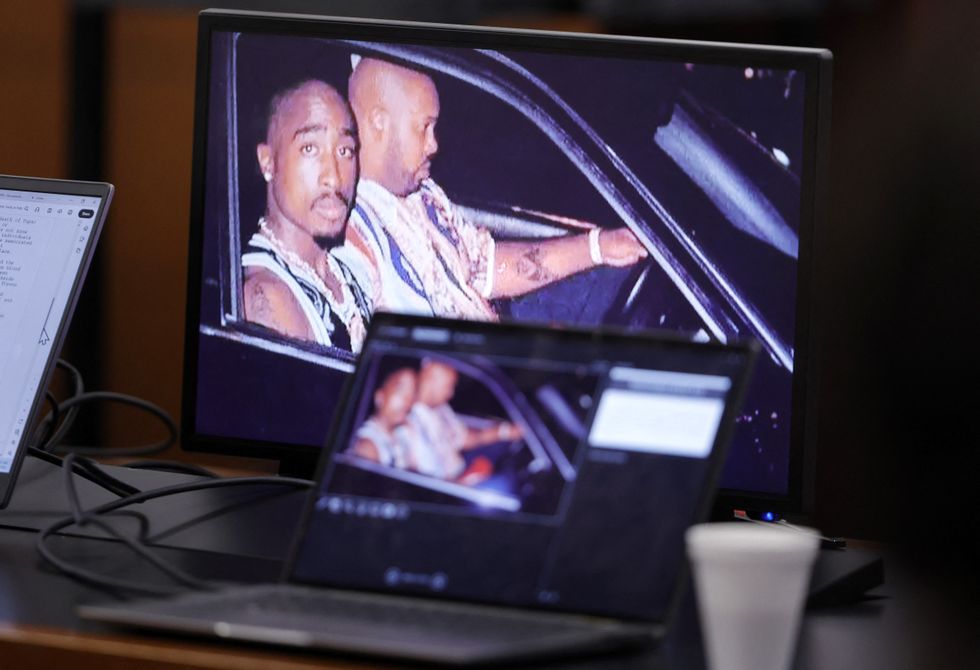 A 1996 photo of rapper Tupac Shakur (L) and Marion "Suge" Knight is shown on screens during closing arguments in the Duane Davis murder trial, related to the 1996 killing of rapper Tupac Shakur, at Clark County District Court at the Regional Justice Center in Las Vegas, Nevada, on August 31, 2026. Getty Images


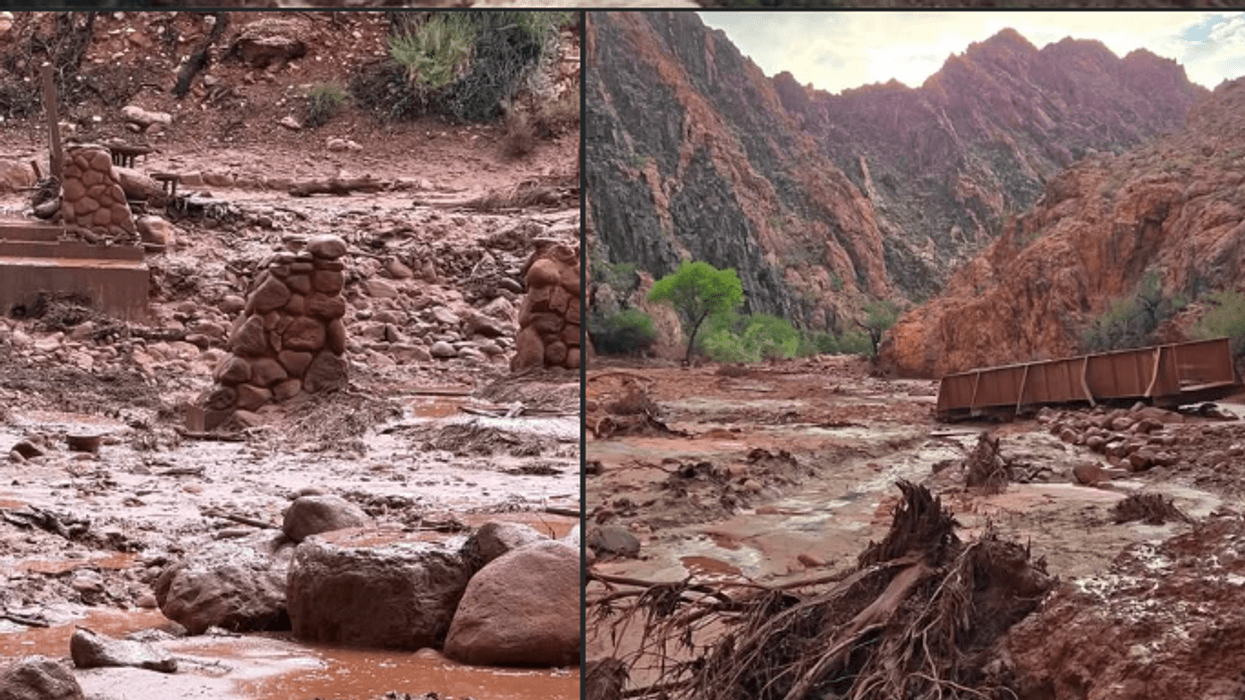
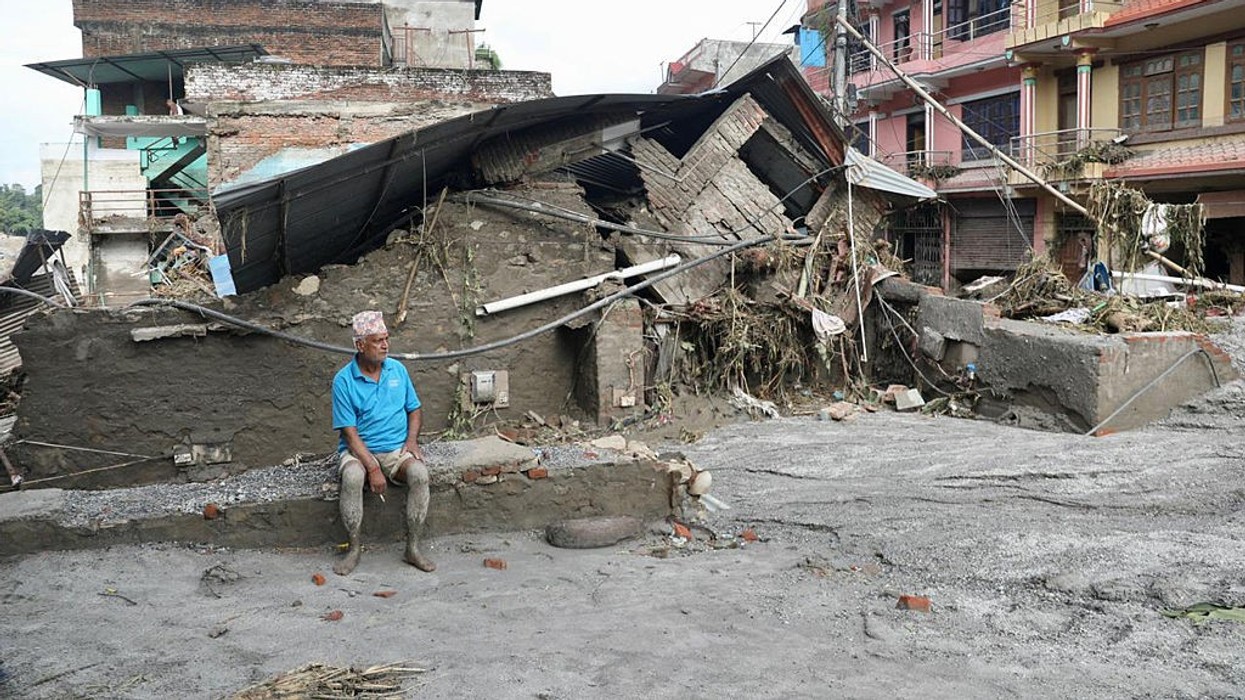
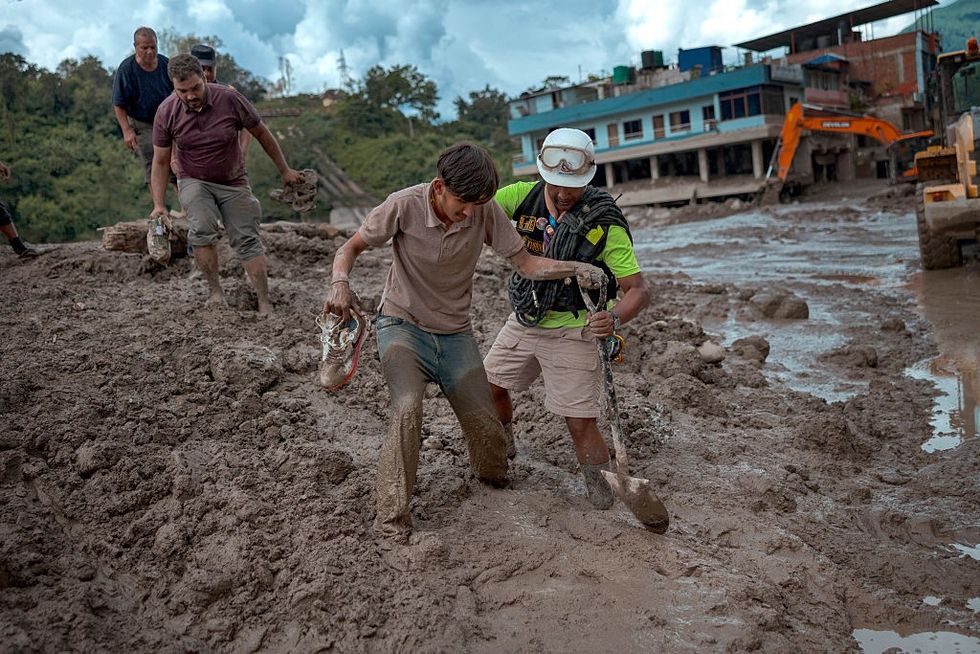 A rescuer assists a resident through heavy mud following flash floods on August 27, 2026 in Trishuli, Nepal. A sudden flood swept through the Bhote Koshi River basin in northern Rasuwa on August 26, damaging settlements, roads and energy infrastructure as rescue teams searched for residents and foreign travellers reported out of contact. Hundreds were reported missing, as the death toll started to climb.Getty Images
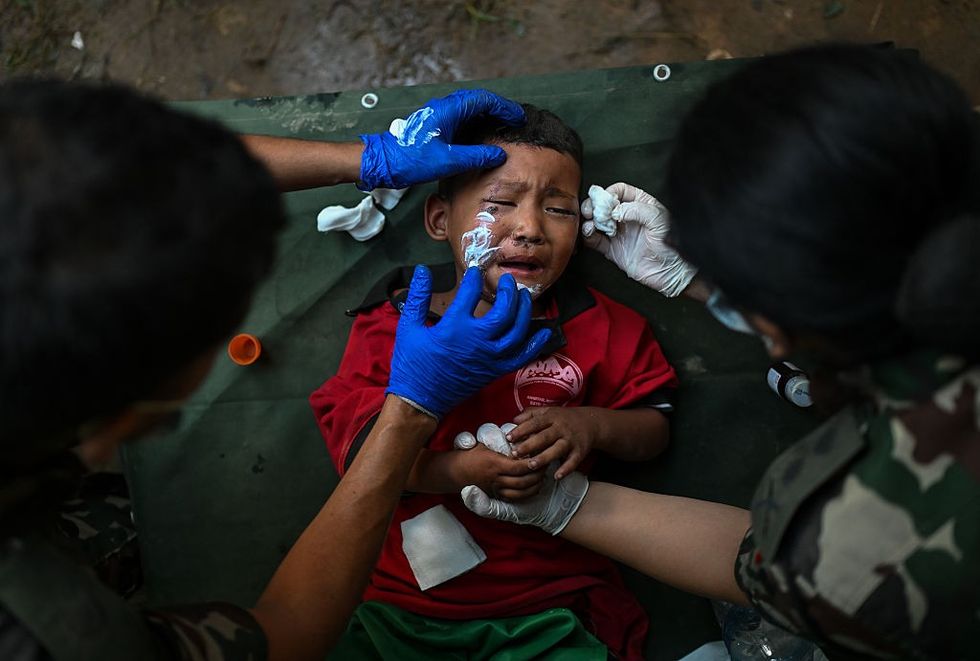 Rescue personnel provide medical treatment to a child at an army rescue camp in Trishuli Batar, Nepal, on August 27, 2026. A sudden flood swept through the Bhote Koshi River basin in northern Rasuwa on August 26, damaging settlements, roads and energy infrastructure, as rescue teams searched for residents and foreign travellers reported out of contact. Hundreds were reported missing as the death toll began to climb. Getty Ima
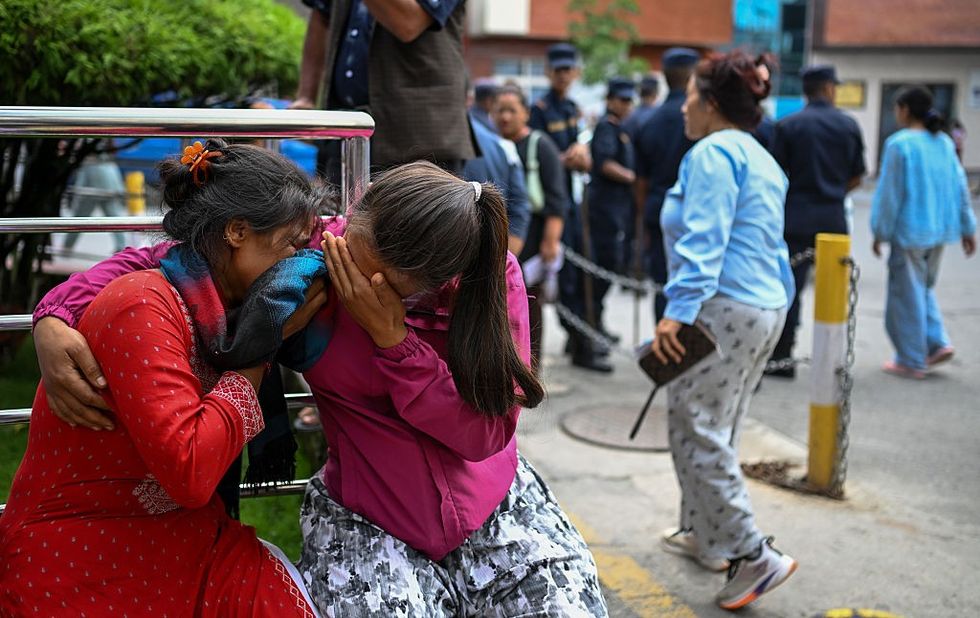 Family members of missing flood victims react at the emergency ward of the Maharajgunj Medical Campus, part of the Tribhuvan University Teaching Hospital, on August 28, 2026 in Kathmandu, Nepal. Authorities said the flash floods were triggered after a mass of ice, mud and rock collapsed into a Himalayan river near the Nepal-China border, leaving hundreds dead or missing and causing widespread damage in affected districts. Authorities continued the gruelling search for victims, many buried under metres of mud, as both China and Nepal issued fresh flooding alerts.Getty Images