

VARIANT of Covid-19, which was first found in India, has been detected in more than 44 countries, the World Health Organization (WHO) announced on Wednesday (12).
The UN health agency said that the B.1.617 variant of Covid-19 has been detected in more than 4,500 samples uploaded to an open-access database “from 44 countries in all six WHO regions.” The variant was first detected in Mumbai, India, in October last year.
Other than India, it is the UK that has reported the largest number of covid cases infected by this variant. The other variants are those first detected in the UK, Brazil, and South Africa.
Earlier this week, the WHO said that B.1.617 appears to be transmitting more easily than the original virus, pointing to the “rapid increases in prevalence in multiple countries.” It also said that the spread of this variant appeared to be one of several factors fuelling India’s dramatic surge in new cases and deaths.
“WHO found that resurgence and acceleration of Covid-19 transmission in India had several potential contributing factors, including an increase in the proportion of cases of SARS-CoV-2 variants with potentially increased transmissibility,” it said.
WHO stressed that so far, only 0.1 percent of positive Covid tests in India had been genetically sequenced and uploaded to the GISAID database to identify the variant in question.
Meanwhile, a WHO official said on Monday (10) that it is reclassifying the highly contagious triple-mutant Covid variant spreading in India as a “variant of concern,” indicating that it has become a global health threat.
“And as such we are classifying this as a variant of concern at the global level,” Maria Van Kerkhove, the WHO’s technical lead for Covid-19, said during a press conference. “Even though there is increased transmissibility demonstrated by some preliminary studies, we need much more information about this virus variant in this lineage in all of the sub-lineages, so we need more sequencing, targeted sequencing to be done.”

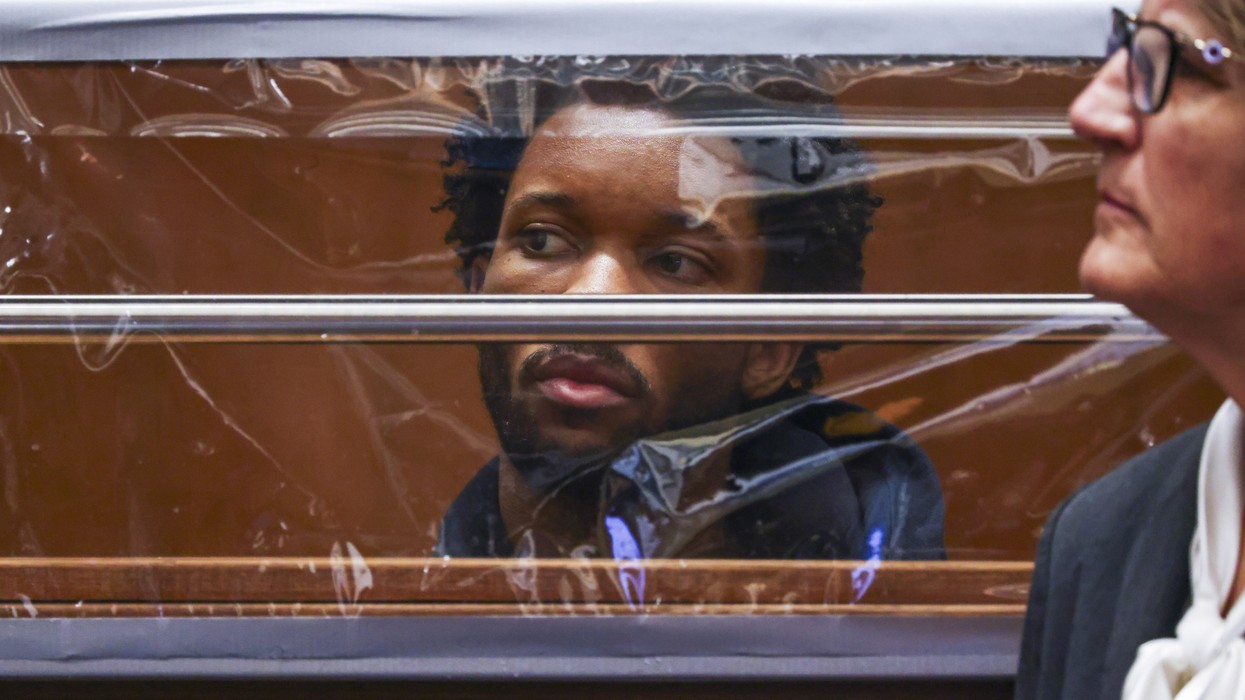
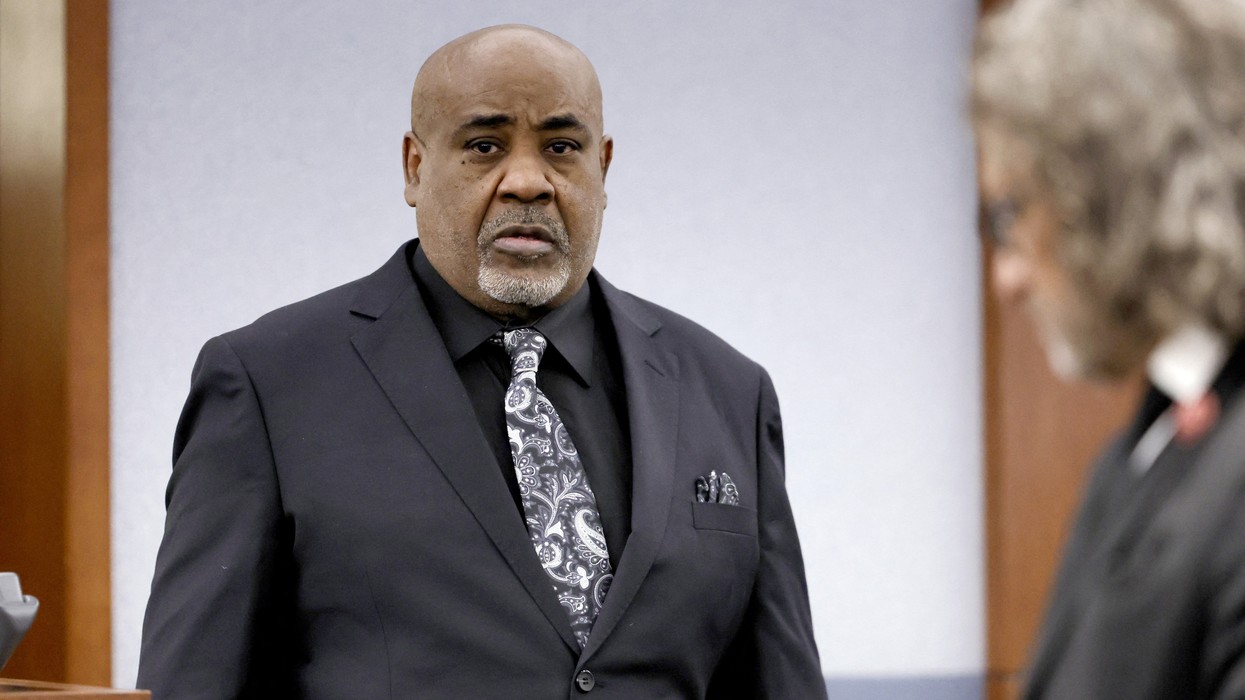
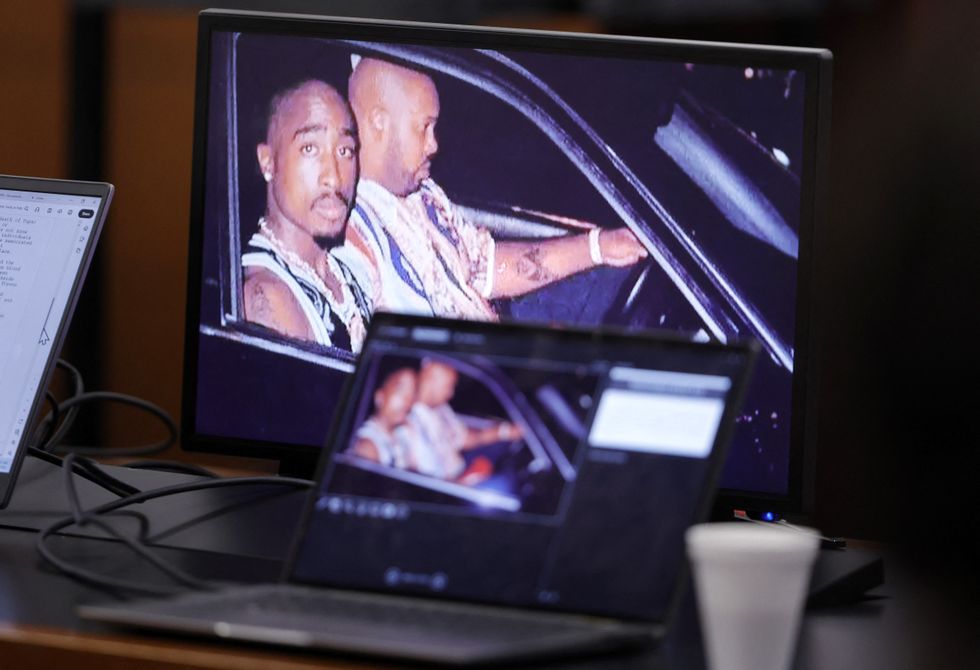 A 1996 photo of rapper Tupac Shakur (L) and Marion "Suge" Knight is shown on screens during closing arguments in the Duane Davis murder trial, related to the 1996 killing of rapper Tupac Shakur, at Clark County District Court at the Regional Justice Center in Las Vegas, Nevada, on August 31, 2026. Getty Images



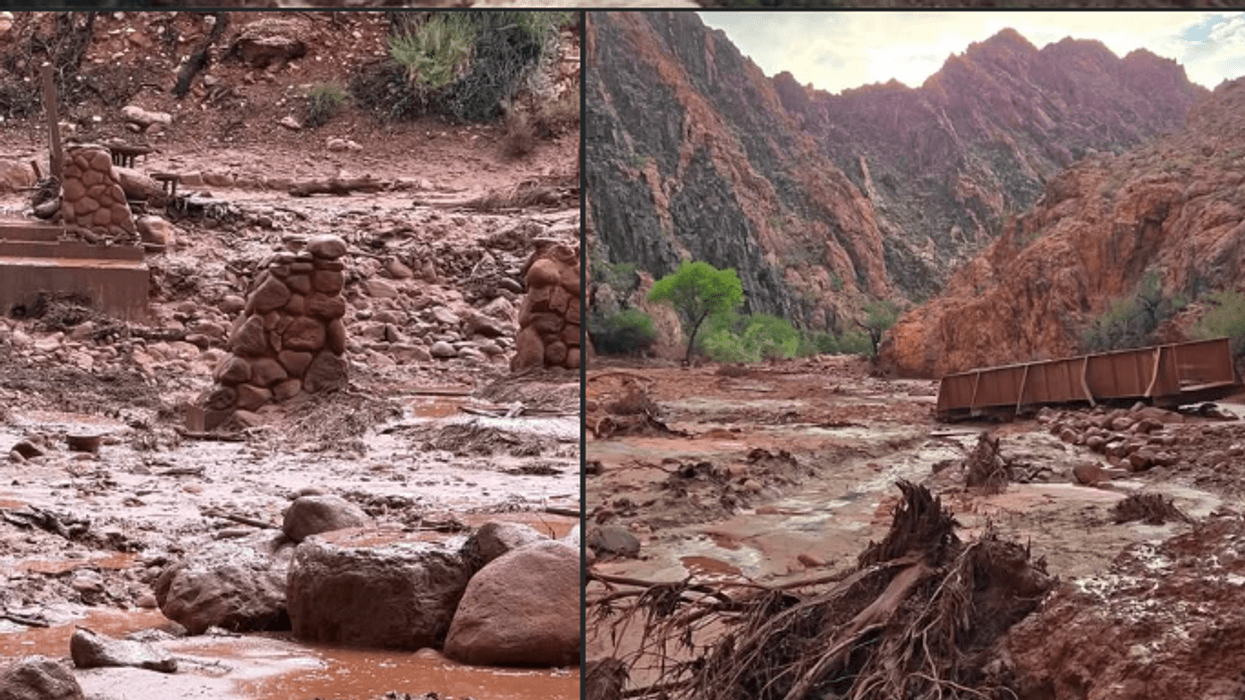
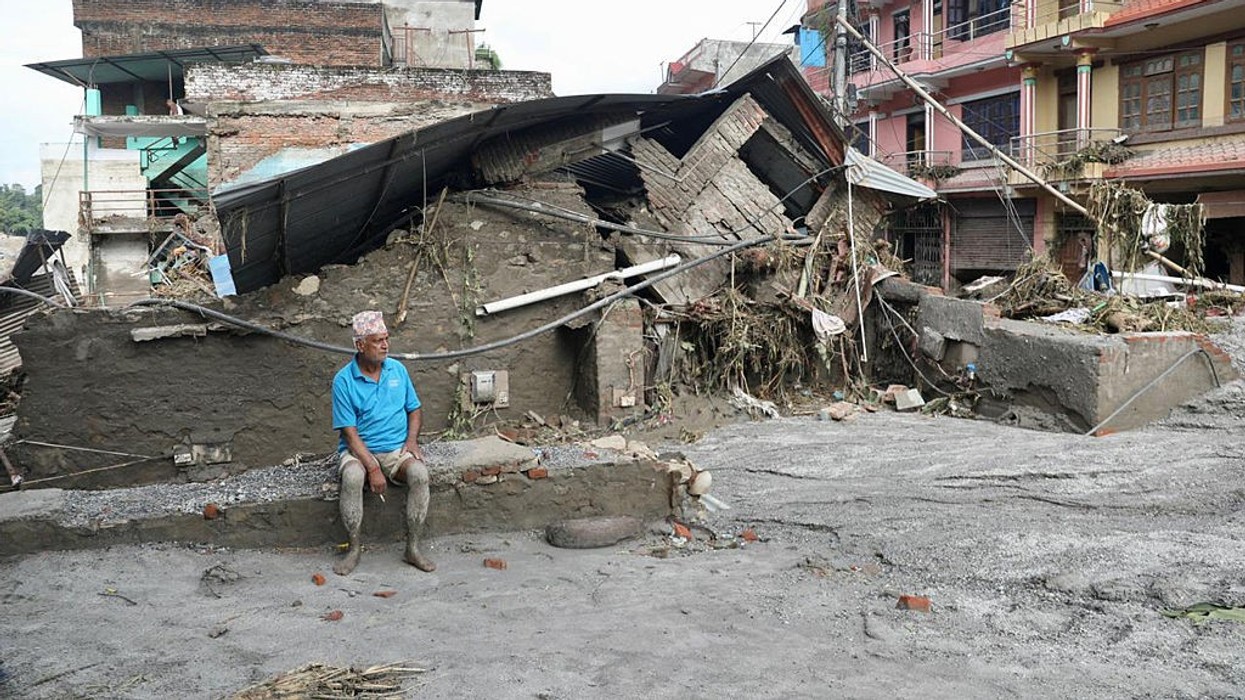
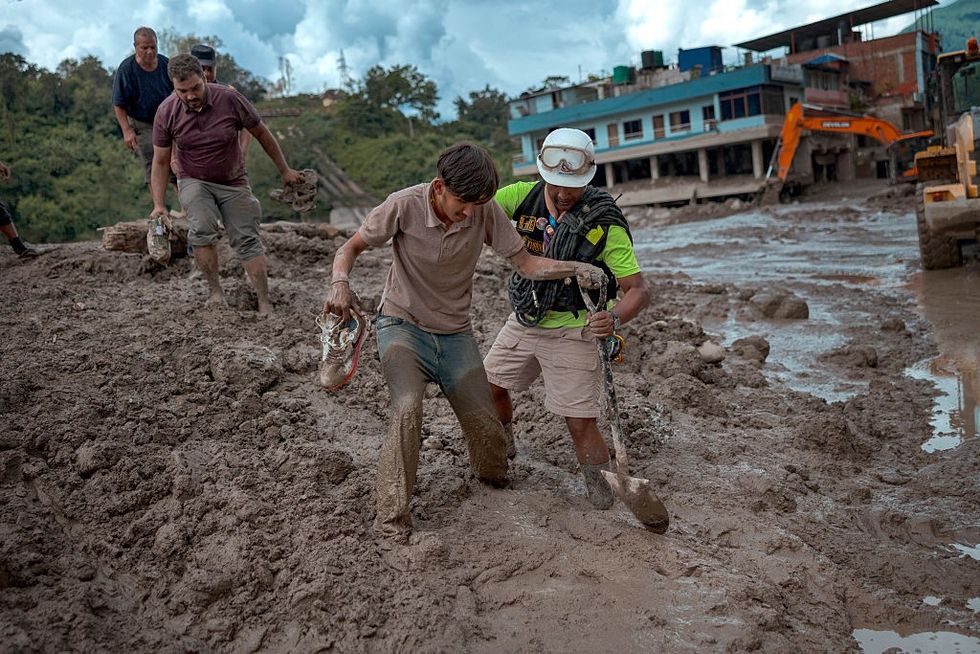 A rescuer assists a resident through heavy mud following flash floods on August 27, 2026 in Trishuli, Nepal. A sudden flood swept through the Bhote Koshi River basin in northern Rasuwa on August 26, damaging settlements, roads and energy infrastructure as rescue teams searched for residents and foreign travellers reported out of contact. Hundreds were reported missing, as the death toll started to climb.Getty Images
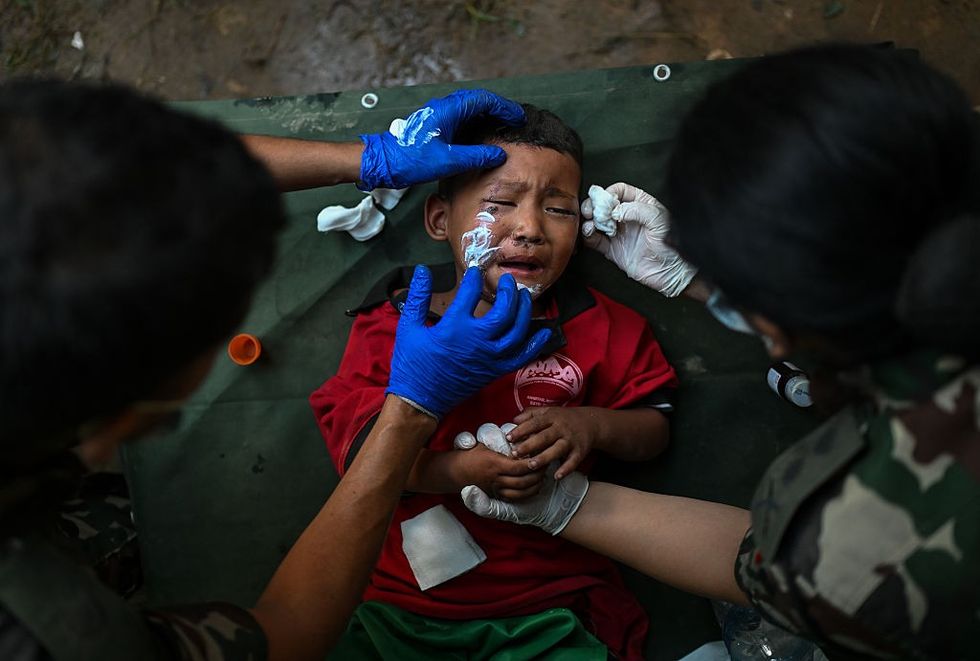 Rescue personnel provide medical treatment to a child at an army rescue camp in Trishuli Batar, Nepal, on August 27, 2026. A sudden flood swept through the Bhote Koshi River basin in northern Rasuwa on August 26, damaging settlements, roads and energy infrastructure, as rescue teams searched for residents and foreign travellers reported out of contact. Hundreds were reported missing as the death toll began to climb. Getty Ima
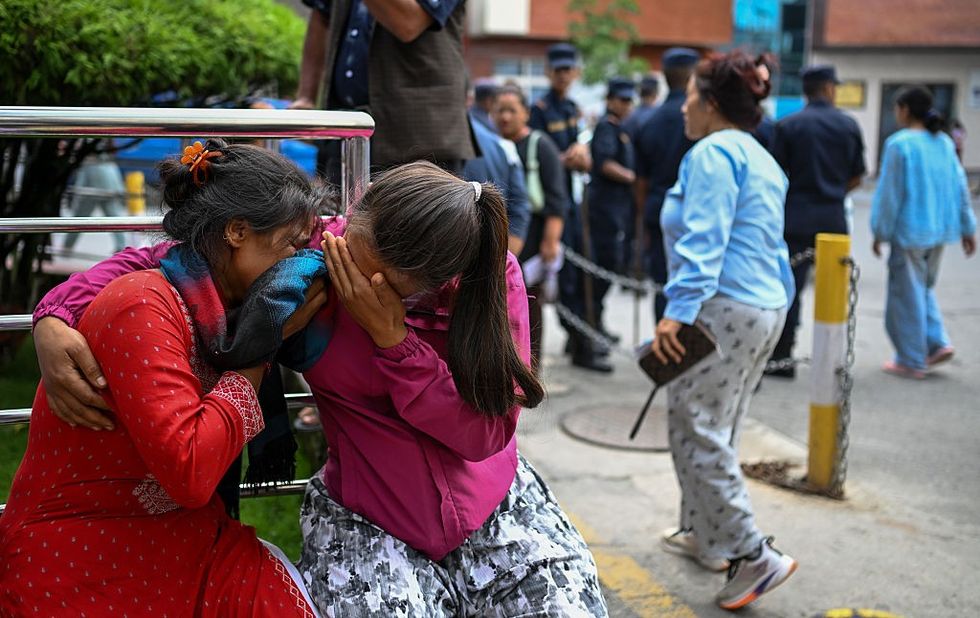 Family members of missing flood victims react at the emergency ward of the Maharajgunj Medical Campus, part of the Tribhuvan University Teaching Hospital, on August 28, 2026 in Kathmandu, Nepal. Authorities said the flash floods were triggered after a mass of ice, mud and rock collapsed into a Himalayan river near the Nepal-China border, leaving hundreds dead or missing and causing widespread damage in affected districts. Authorities continued the gruelling search for victims, many buried under metres of mud, as both China and Nepal issued fresh flooding alerts.Getty Images