India’s general elections are set to begin in just three days, on April 19. Spanning six weeks, this monumental electoral exercise will involve 968 million eligible voters, making it the largest democratic vote in the world.
As the nation prepares for this massive process, the focus is on the logistical challenges and the robust electoral mechanism that ensures every voter has a chance to participate.
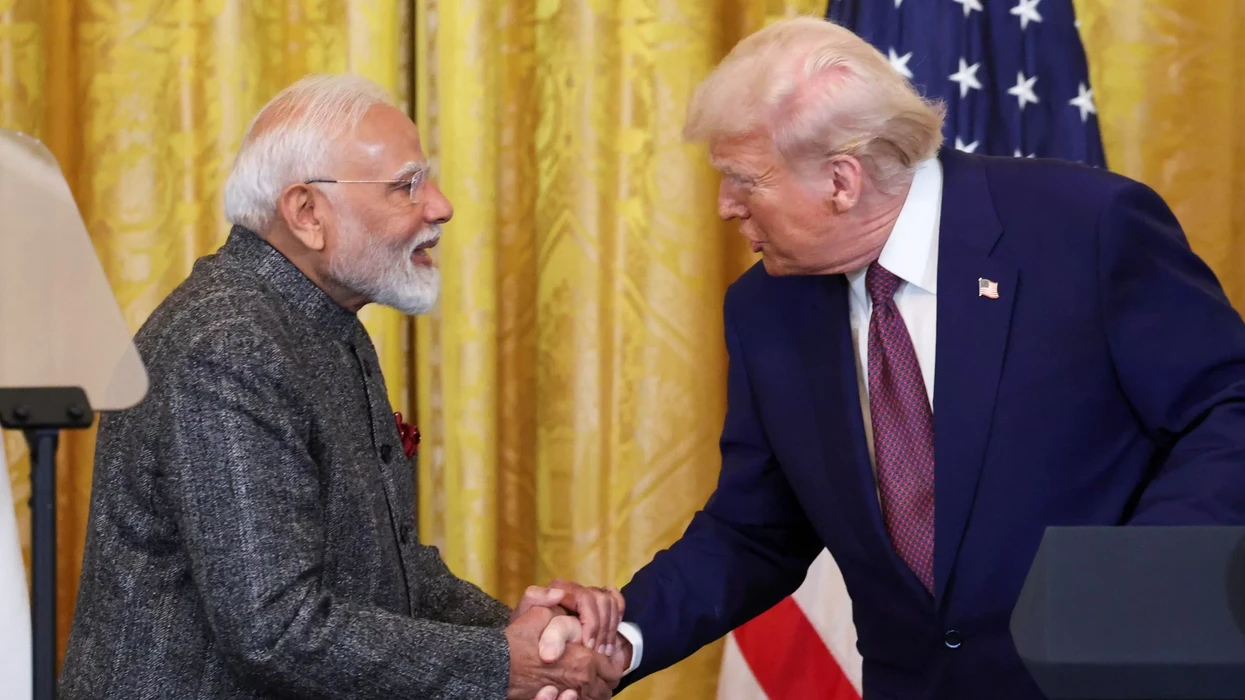
This election sees prime minister Narendra Modi aiming for a third term, with the results poised to shape India’s political landscape in the coming years.
Here is an overview of everything you need to know about the Indian elections:
What is it?
Elections are being held for 543 contested seats in the Lok Sabha, which is the lower house of India’s parliament.
A party or coalition needs at least 272 seats to secure a majority and govern for a five-year term. In the previous election, Prime Minister Narendra Modi’s Bharatiya Janata Party (BJP) secured 303 seats, becoming the largest party, while the main opposition, the Indian National Congress (INC), won 52 seats.
Additionally, the President of India has the discretion to nominate up to two Anglo-Indians to the Lok Sabha.
Who are the main candidates?
Modi leads the electoral contest, alongside his close associate and de facto deputy, Amit Shah.
Representing the main opposition is Rahul Gandhi of the Congress party.
Notably, Rahul’s mother, Sonia Gandhi, who is the matriarch of the Nehru-Gandhi political dynasty, is not participating in this election cycle.
Voting mechanics
Eligibility to vote in India extends to all citizens who are 18 years old and above, encompassing a total of 968 million individuals as recorded by the election commission.
The previous national elections witnessed a participation rate exceeding 67 percent, with nearly 615 million voters casting their votes.
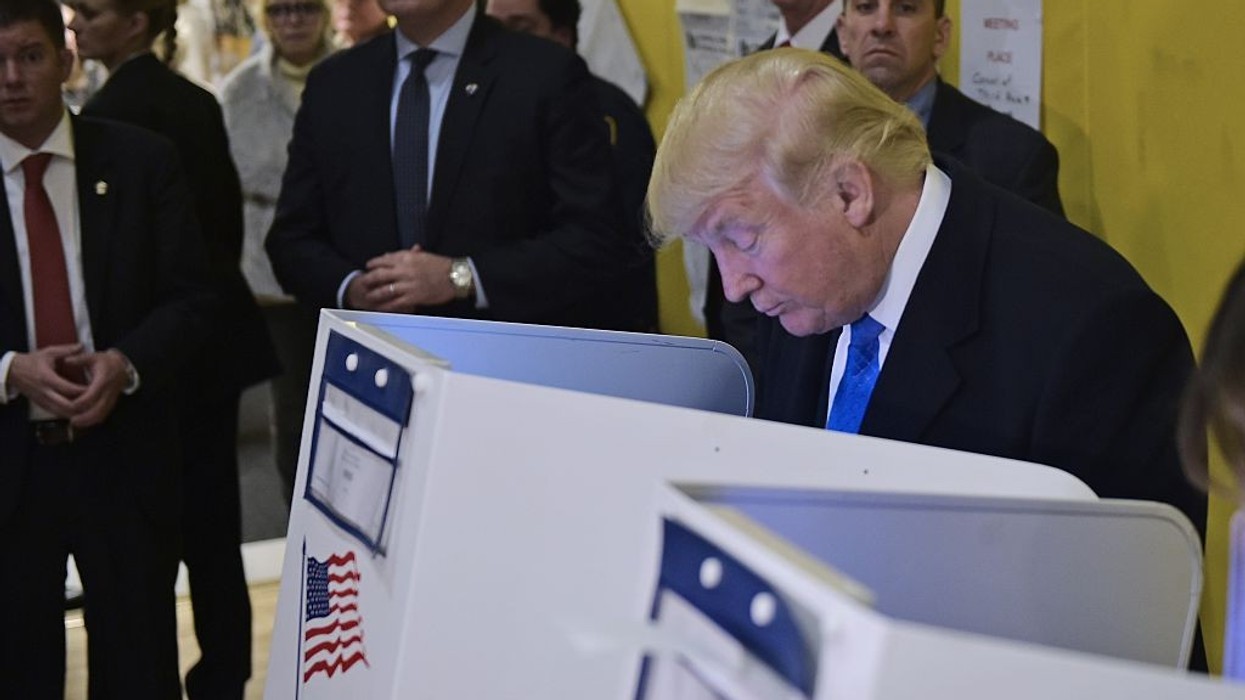
To facilitate swift tallying, India employs electronic voting machines (EVMs) which are designed to prevent remote access and tampering, ensuring the integrity of election results.
To reach every voter, election officials undertake journeys by various means including on foot, by road, train, helicopter, boat, and sometimes even using camels and elephants. In regions prone to insurgent violence, these officials are often escorted by security forces.
Duration of the election process
The immense voter base prompts the staggering of the election process over six weeks, starting April 19, as managing the electoral logistics in a single day across 1.05 million polling stations is unfeasible.
The elections are set to unfold in seven phases: April 19, April 26, May 7, May 13, May 20, May 25, and June 1.
Each voter must have a polling booth within two kilometers of their residence, according to electoral laws. For example, in the 2019 elections, a polling station was established in a remote forest in Gujarat just for one voter.
The scheduling of the elections also considers local climate, religious festivals, agricultural cycles, and academic calendars to facilitate maximum voter turnout.
Election expenditure
The cost of elections has escalated in parallel with India’s economic growth, now ranked the fifth largest globally.
In 2019, the combined expenditure by organisers, political parties, and candidates was around $8.7 billion (£7.0122 billion), as reported by the Centre for Media Studies (CMS). This included significant amounts of cash distributed directly to voters.
For this year’s election, CMS projects spending will rise to over $14.2 billion (£11.4452 billion), nearly matching the expenditure of the 2020 US elections.
Expected outcomes
Modi, at the helm for a decade, aims for a third term with strong support shown in public opinion polls.
Despite the challenges from opposition parties, including internal disputes and alleged politically motivated legal actions, Modi and his party, the BJP, are anticipated not just to win, but to achieve a significant majority in the lower house.
This majority could potentially allow the BJP to enact major changes, including the controversial introduction of a uniform civil code that would standardize laws for all religious communities, a proposal facing opposition from minority groups.
Results announcement
The law prohibits the release of exit polls until voting concludes on June 1. Counting of votes will begin on June 4 with results expected on the same day due to the use of electronic voting machines.
A party needs at least 273 seats in the lower house to form the government outright; otherwise, the leading party may need to form a coalition, potentially leading to prolonged negotiations.
(With inputs from AFP, Reuters)