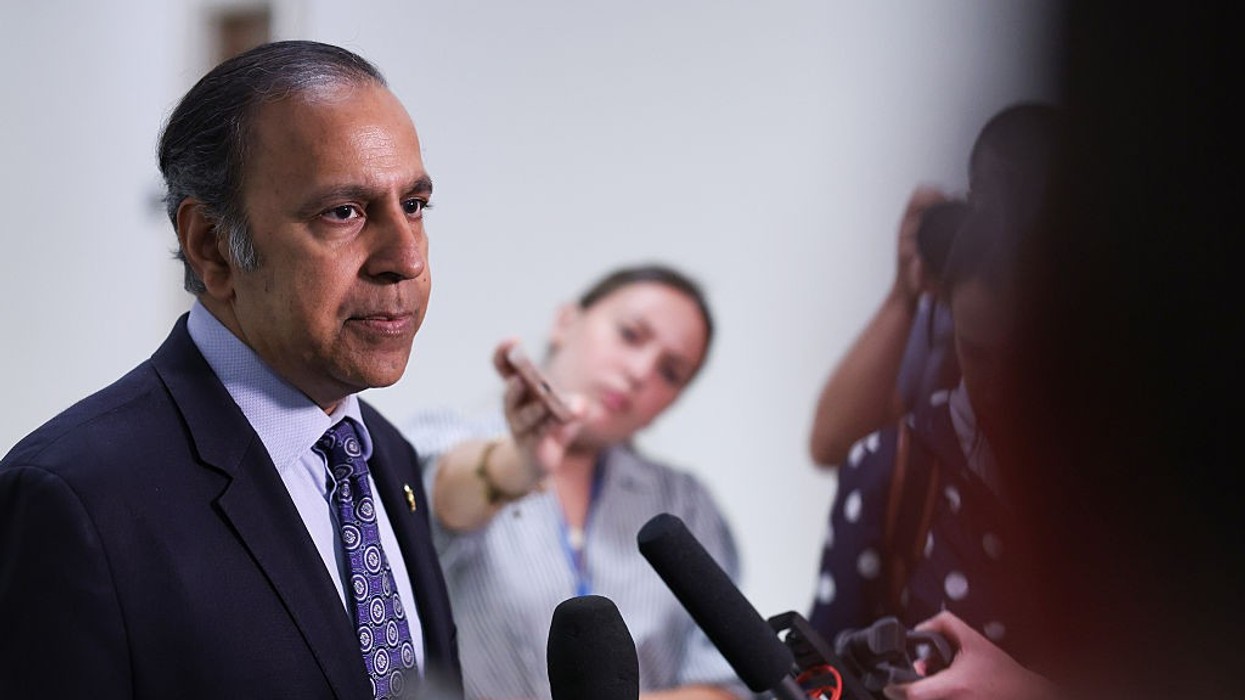
Indian-American Ajay Banga has been hailed by media in India as the World Bank’s “face of change.”
His leadership for a five-year term comes as the bank pivots to face climate change, a crucial transition that the former Mastercard chief sees as closely tied to vanquishing inequality — and he has big plans for the private sector’s role in that task.
Banga, the first World Bank president from South Asia, takes over on June 2 from outgoing president David Malpass, who is stepping down early from a presidency clouded by questions over his climate stance.
Born into a Sikh family in Pune, Maharashtra, Banga is a naturalized US citizen.
The 63-year-old grew up in different parts of the country due to his father’s job as an army officer, before starting out at the Indian subsidiary of Nestle in the early 1980s.
He went on to have a successful business career in India, and later relocated to the US.
Banga ran the payments company Mastercard for more than a decade between 2010 and 2021, and has also served on the boards of the American Red Cross, Kraft Foods and Dow Inc.
More recently, he was vice chairman at private equity firm General Atlantic.
Banga’s expertise in finance and development will play a key role for the bank as it realigns to face the challenge of a warming planet.
He has said he wants to see greater private sector funding to help tackle financing for global problems.
“There is not enough money without the private sector,” he told reporters in March.
As for climate change, he added that the issue goes far beyond greenhouse gases.
“My belief is that poverty alleviation or shared prosperity or all those words that essentially imply the idea of tackling inequality cannot be divorced from the challenges of managing nature,” he said in the earlier interview.
Under an unwritten arrangement, a US citizen has historically held the presidency of the Washington-based development lender — a practice that has led to growing unease over America’s grip on the bank from developing and emerging economies.







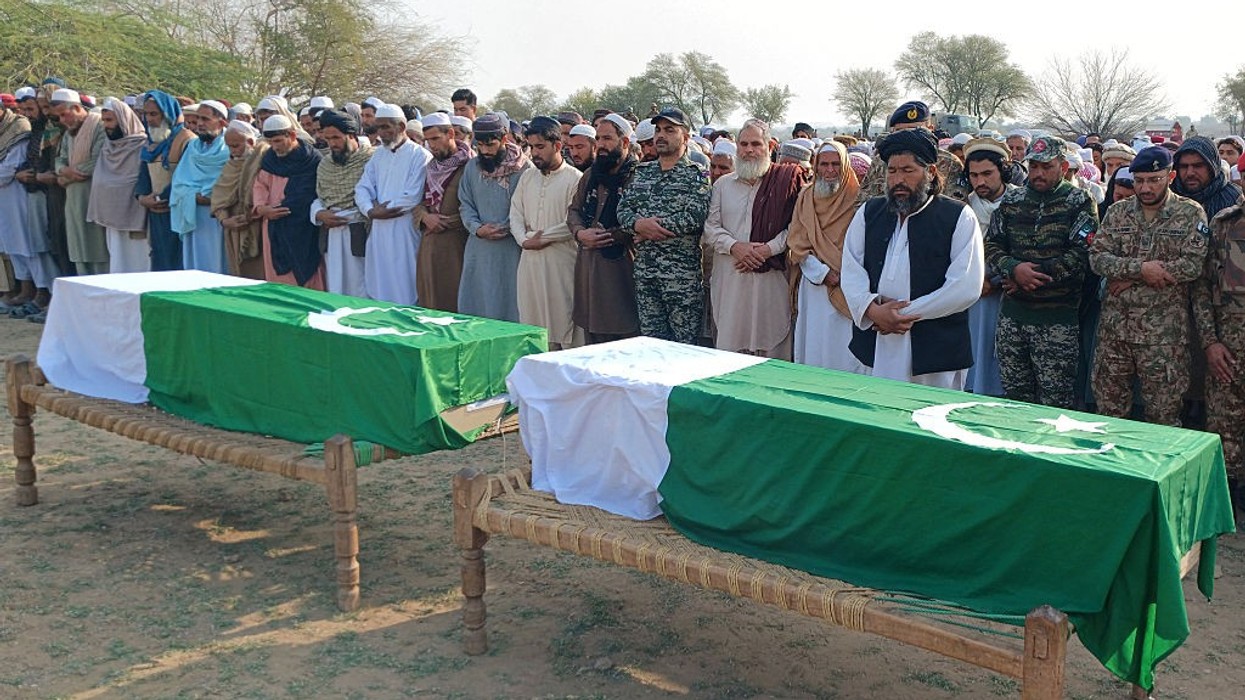
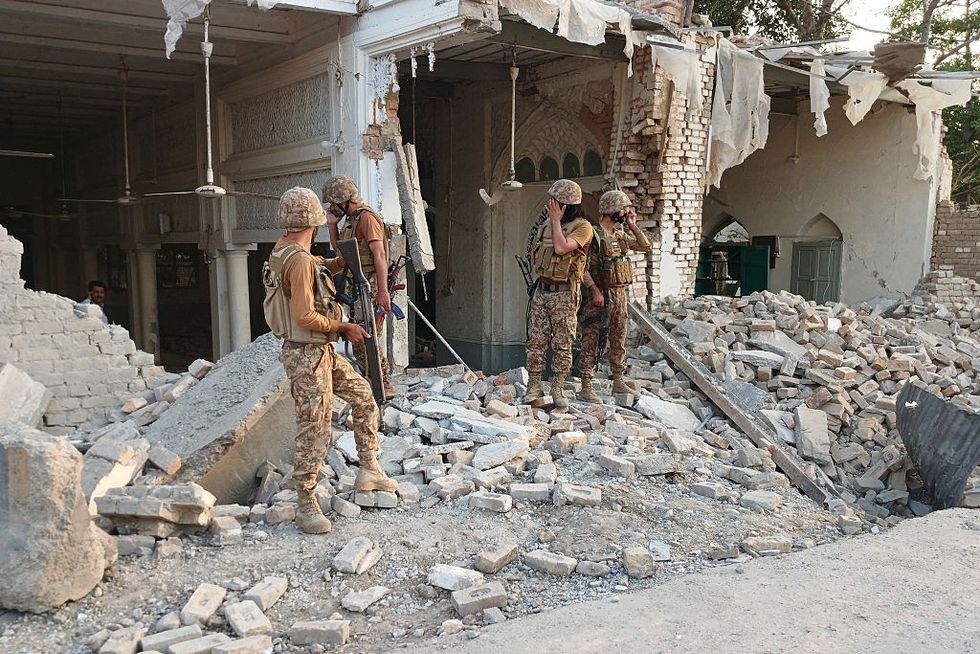 Army personnel stand amid the rubble following an explosion inside the police headquarters at Kohat in Pakistan's Khyber Pakhtunkhwa province on September 18, 2026. An explosion at a historic police headquarters in northern Pakistan on September 18 killed at least eight people and wounded 35 more, officials said, with the country's president swiftly blaming a militant group. Getty Images
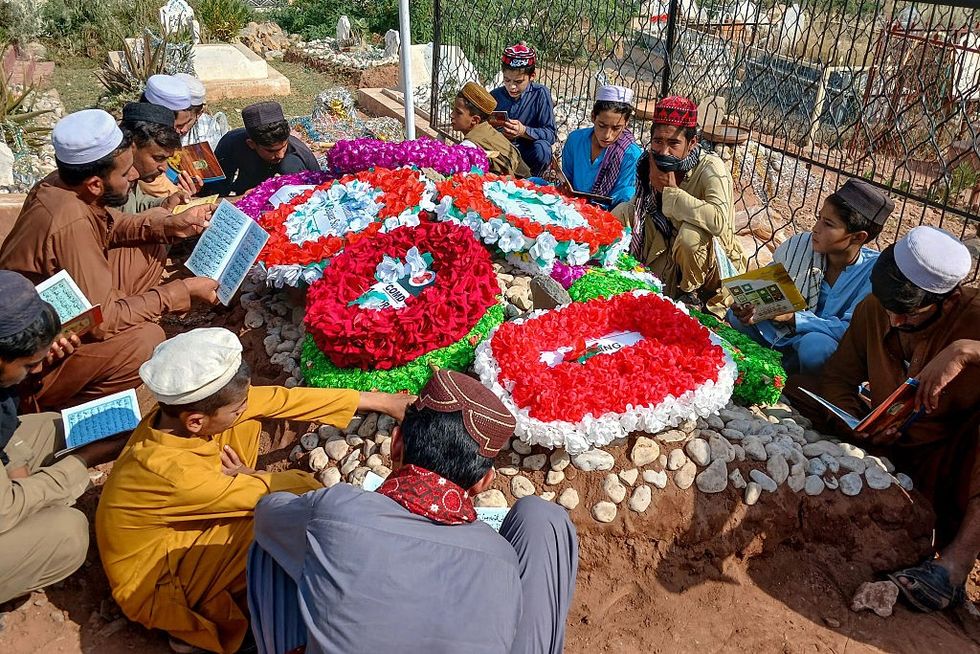 Mourners read the holy Quran while sitting around the grave of a paramilitary personnel of the Frontier Corps (FC) who was killed during the Afghanistan-Pakistan border clashes, in Kohat on October 17, 2025. A ceasefire along the frontier between Afghanistan and Pakistan was holding on October 16, officials on both sides said, after dozens of troops and civilians were killed in cross-border clashes.Getty Images