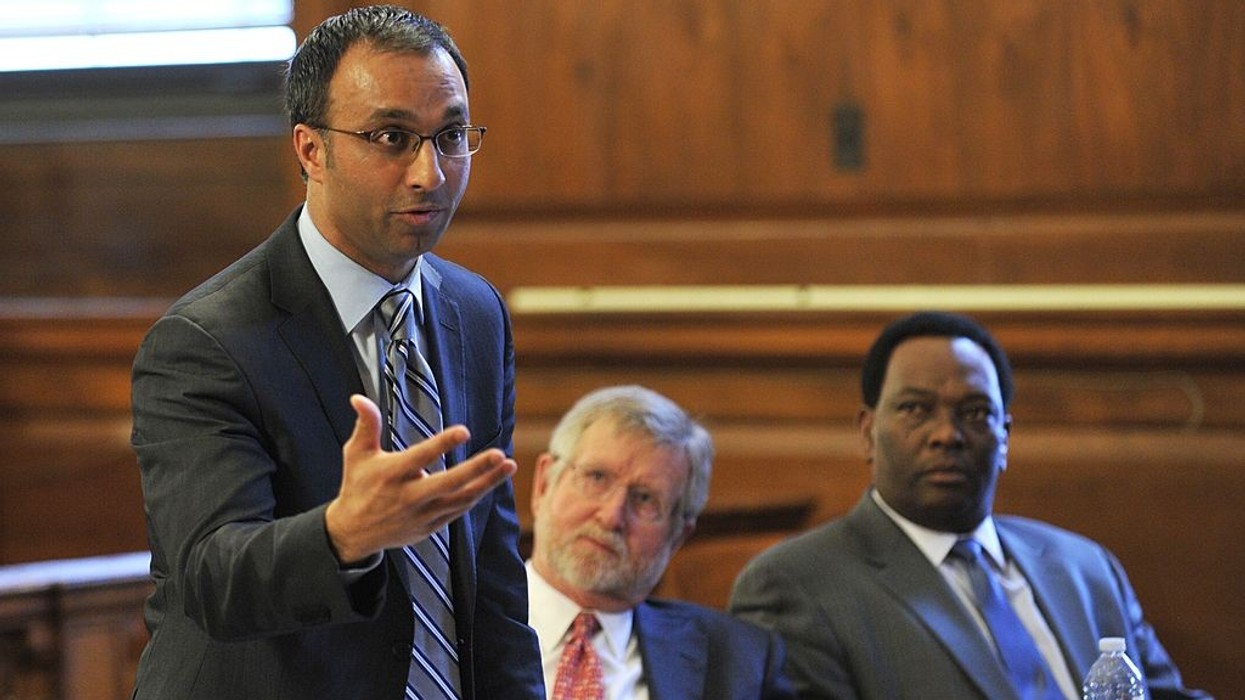

- Federal Judge Amit Mehta ruled the State Department's green card screening policy is unlawful.
- The decision stems from a lawsuit filed by a Brazilian EB-5 investor.
- The court found the policy improperly stripped consular officers of their decision-making authority.
- Judge Mehta ordered the applicant's case to be reviewed individually once documentation is complete.
- The ruling could affect green card applicants from dozens of countries whose cases have been delayed.
A major legal setback has hit the Trump administration's immigration policy after US District Judge Amit Mehta ruled that the State Department cannot broadly delay or freeze green card applications based on the assumption that applicants may eventually rely on government assistance.
In a July 31 opinion, Mehta concluded that Secretary of State Marco Rubio's public charge policy exceeded the authority granted by Congress under the Immigration and Nationality Act (INA). The judge determined that immigration law requires each green card application to be evaluated individually by consular officers rather than through a blanket policy.
"The Public Charge Policy issued by Secretary of State Marco Rubio is an exercise of authority specifically denied by Congress in the Immigration and Nationality Act," Mehta held.
The ruling represents one of several legal challenges to the State Department's policy, which took effect in January and has faced lawsuits in federal courts in Washington, D.C., and New York.
Brazilian EB-5 investor challenged the policy
The lawsuit was filed by Newton De Moura Gomes, a Brazilian national seeking permanent residency through the EB-5 immigrant investor visa program. Gomes argued that the State Department unlawfully delayed his immigrant visa application under the public charge policy.
His complaint alleged multiple violations of the Administrative Procedure Act, including the unlawful withholding of an agency decision and implementation of a policy that conflicts with federal law.
Judge Mehta agreed, concluding that the State Department had improperly taken over responsibilities that Congress assigned to individual consular officers.
"Under the Public Charge Policy, the Secretary of State is doing precisely what the INA prohibits: he is controlling individual visa application determinations," Mehta wrote.
The judge further stated that the policy "plainly nullifies discretionary authority of consular officers on individual applications."
Mehta also ruled that the doctrine of consular non-reviewability—which generally shields visa decisions from judicial review—did not prevent the court from hearing the case because the lawsuit challenged the legality of a State Department policy rather than an individual visa determination.
Ruling could impact thousands of pending green card applications
As part of his order, Judge Mehta directed the State Department not to apply the public charge policy to Gomes' immigrant visa request. He also instructed officials to adjudicate the application once a consular officer determines that all required documentation has been submitted.
Immigration attorneys say the decision could benefit many green card applicants whose cases have been delayed under the policy and may influence how similar immigration cases are handled in the future.
Edward Ramos, a partner at Kurzban Kurzban Tetzeli and Pratt P.A. and counsel for Gomes, welcomed the decision.
"We are pleased the Court recognized that the State Department cannot require individualized review and then dictate refusal regardless of the result," he said in a statement. "Congress entrusted visa decisions to consular officers applying the law to each case. This policy stripped them of that judgment and predetermined the outcome."
A State Department spokesperson declined to comment on the ongoing litigation but told Bloomberg that the Trump administration is "upholding the highest standards of screening and vetting of visa applicants."









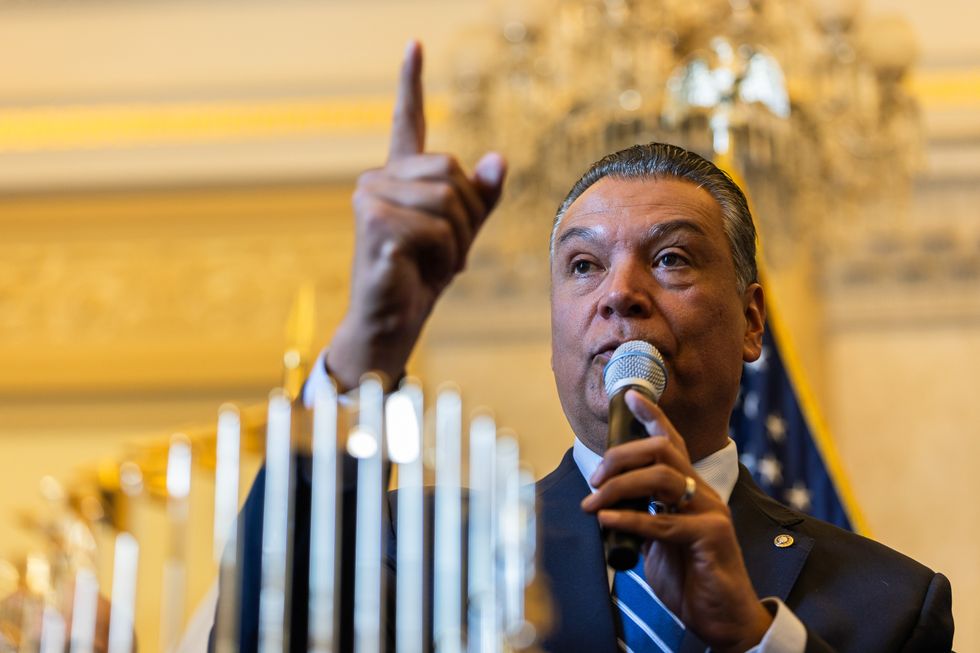 Alex PadillaGetty Images
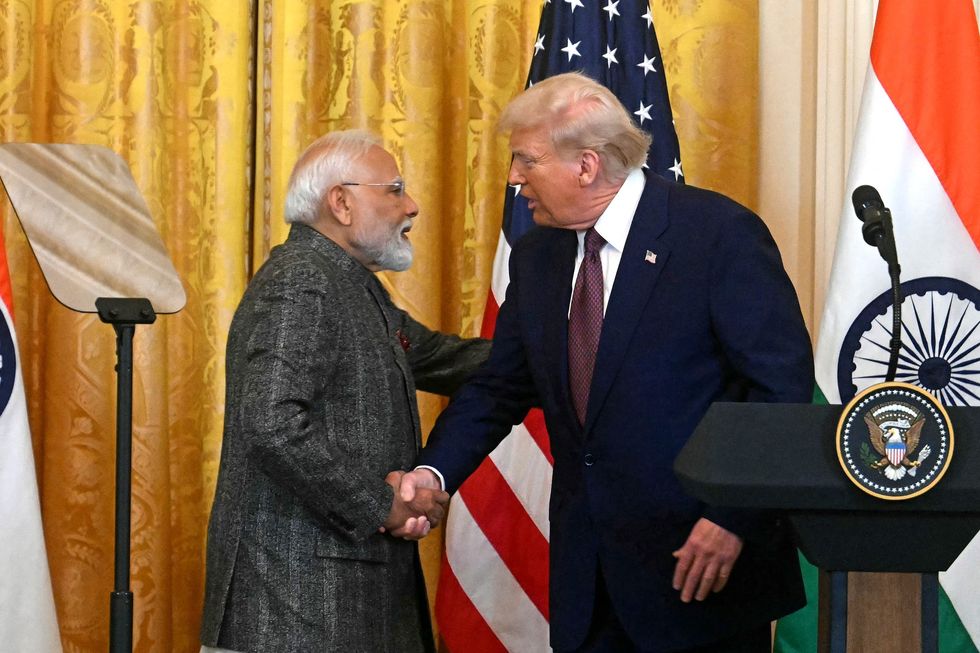 Narendra Modi and Donald Trump during a meeting in 2025Getty Images
  Many Indian H-1B professionals wait years or even decades for permanent residency in the USx
 x
x