
A FEDERAL judge struck down one Trump administration visa policy as unlawful last week. Within days, the administration rolled out another, and Indian applicants are once again in the middle of it.
On Friday, a federal judge ruled that the administration's earlier "public charge" visa block, which had suspended immigrant visa issuance from nearly 40 per cent of the world's nations, was "contrary to law" and exceeded the statutory authority of secretary of state Marco Rubio, CNN reported. That policy had blocked applications from 75 countries, including Brazil, Colombia and Russia.
US piles another USD 103,265 fee on H-1B applications, draws criticism
Days later, the State Department paused immigrant visa appointments at US embassies and consulates worldwide.
A department spokesperson said on Tuesday that it had launched a global training initiative and that appointments for visa services would be adjusted to accommodate the training.
Immigrant visa applicants with scheduled interviews have received emails stating their appointments were rescheduled, with no fixed date given for when they will be seen, according to a Financial Times report.
The training, the State Department said, is meant to help consular officers screen out applicants deemed likely to become a "public charge," a label for someone likely to become primarily dependent on the government for financial support.
"A more prosperous America means ensuring that visa applicants are not likely to become a public charge, as defined under US law and regulation, and not likely to become dependent on US public benefits reserved for qualified Americans in need," a State Department spokesperson told the Financial Times.
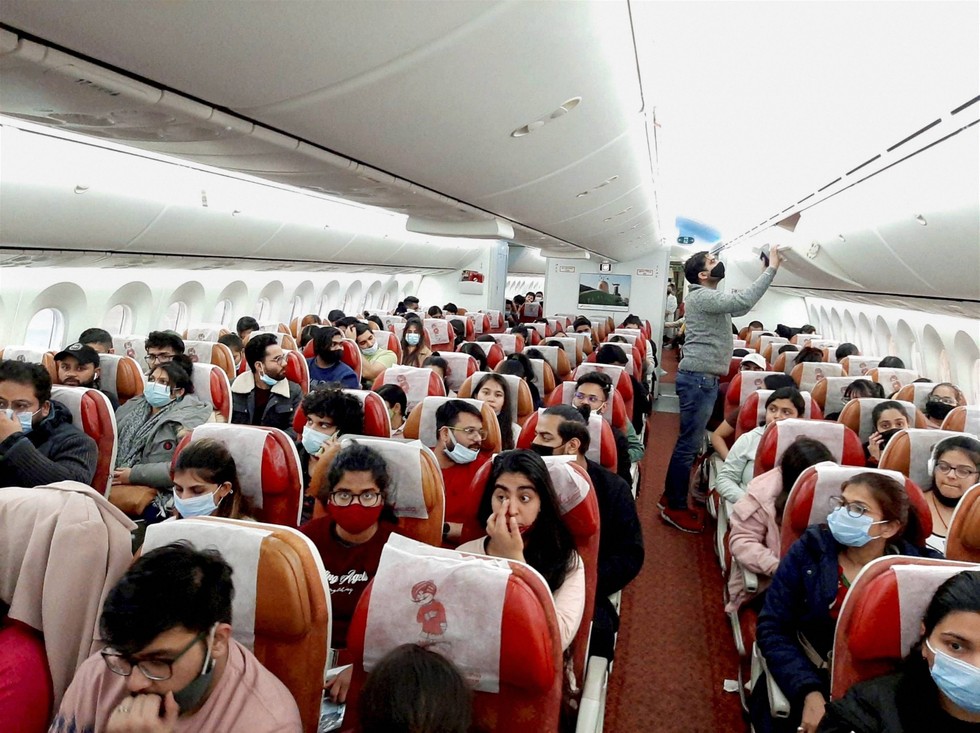
For Indian Americans, the new pause lands alongside another blow: a proposed $103,265 application fee for H-1B visas, announced a day before the visa freeze.
US colleges see 15 per cent drop in Indian undergraduate applicants
The H-1B is the category US tech companies rely on most heavily to hire foreign workers in specialty occupations, and applicants from India make up the largest share of recipients each year.
Under the law, an immigrant can only be turned away as a likely "public charge" after a consular officer individually weighs that person's own finances, age, health, skills and family situation, the kind of case-by-case standard the court said the earlier blanket ban had ignored. It remains to be seen whether the new pause will draw a similar legal challenge.
Since taking office in 2025, President Donald Trump has pursued an aggressive crackdown on immigrants that includes revocations of visas and green cards and rejection of applications over reasons including political opinions and pro-Palestinian protests against Israel's assault on Gaza. He says the crackdown aims to improve domestic security.
US implements stricter visa rules, 'it is a privilege, not a right'
Human rights groups have widely condemned the crackdown as discriminatory and a violation of free speech and due process rights, and say it has created an unsafe environment for ethnic minorities who have raised concerns about racial profiling.
Trump campaigned in 2024 on stopping illegal immigration. In practice, his administration has also made legal immigration harder for communities like Indian Americans, through blanket visa pauses, and now a six-figure fee on the visa route most used by skilled Indian workers.
(With inputs from agencies)