

AUTHORITIES in northern India said they have installed a net across the Ganges river after the bodies of dozens of suspected Covid-19 victims washed up.
The discovery of 71 corpses in Bihar state stoked fears that the virus was raging unseen in India’s vast rural hinterland where two-thirds of its people live.
Locals suggested to AFP that relatives immersed the bodies in the river because they could not afford wood for traditional Hindu cremations or because crematoriums were overwhelmed by the number of funerals.
Bihar’s water resources minister Sanjay Kumar said on Twitter on Wednesday (12) that a “net has been placed” in the river on the state border with Uttar Pradesh and patrolling increased.
He said the impoverished state’s government was “pained at both the tragedy as well as harm to the river Ganges”.
Kumar added that postmortems confirmed that the corpses had been dead four to five days.
Press reports said as many as 25 bodies had also been recovered in the Gahmar district of Uttar Pradesh state.
The Hindu daily quoted a local police official there as saying there were long queues at cremation grounds in the northern state.
“It is possible that in hurry some disposed of the bodies in the river like this,” Hitendra Krishna was quoted as saying.
India’s official Covid-19 death toll soared past a quarter of a million on Wednesday, but many experts believe the real number is several times higher.
This is particularly the case now that the surge has spread beyond major cities into rural areas where hospitals are few and far between and record-keeping poor.



 A 1996 photo of rapper Tupac Shakur (L) and Marion "Suge" Knight is shown on screens during closing arguments in the Duane Davis murder trial, related to the 1996 killing of rapper Tupac Shakur, at Clark County District Court at the Regional Justice Center in Las Vegas, Nevada, on August 31, 2026. Getty Images




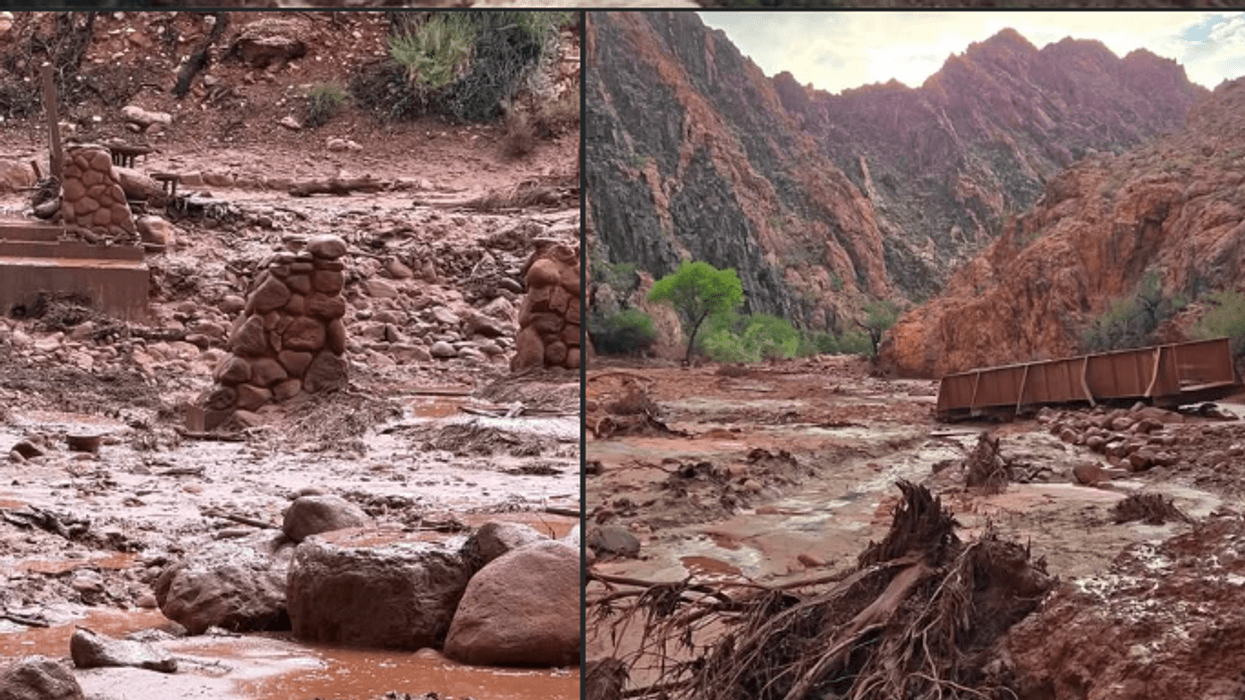

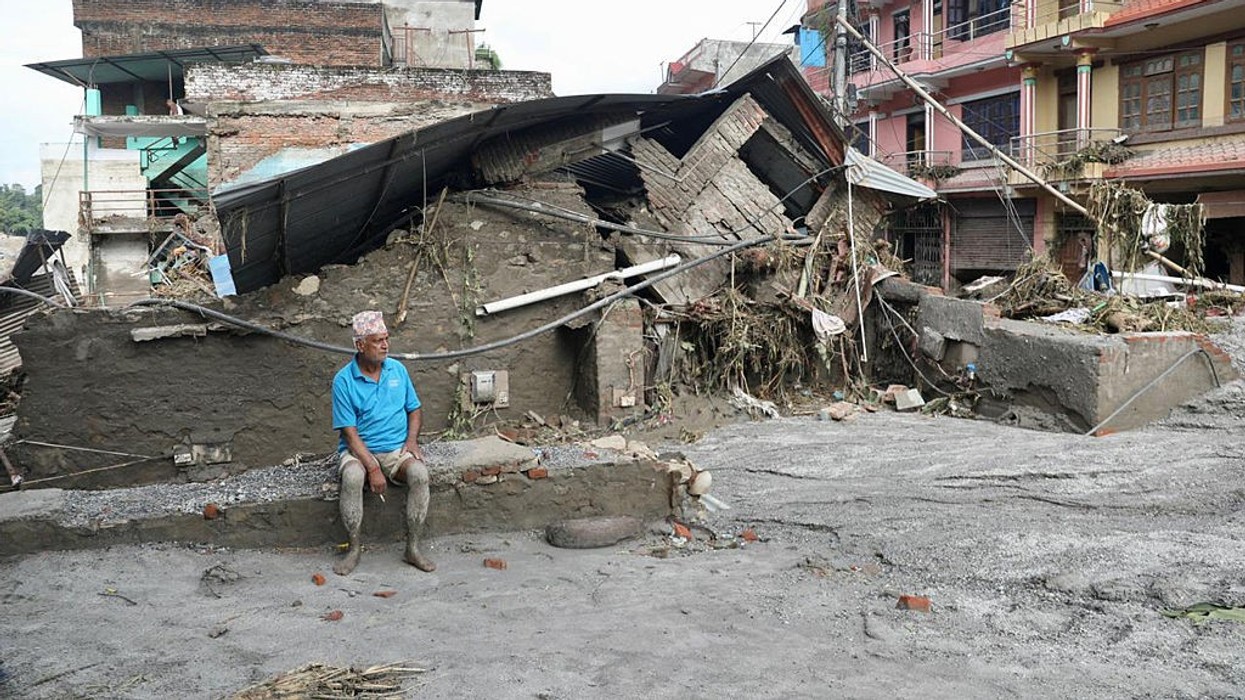
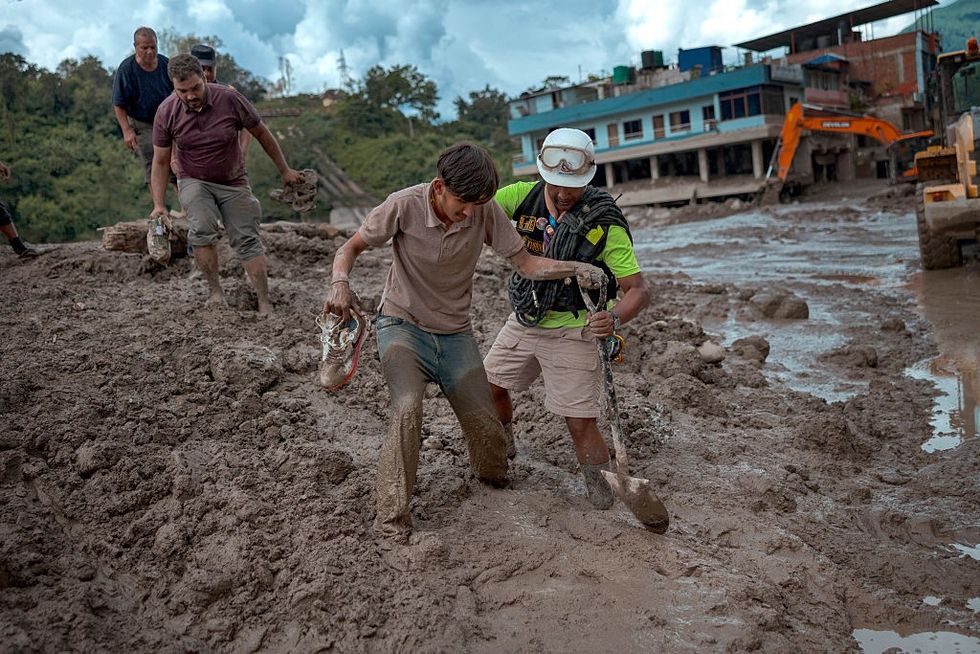 A rescuer assists a resident through heavy mud following flash floods on August 27, 2026 in Trishuli, Nepal. A sudden flood swept through the Bhote Koshi River basin in northern Rasuwa on August 26, damaging settlements, roads and energy infrastructure as rescue teams searched for residents and foreign travellers reported out of contact. Hundreds were reported missing, as the death toll started to climb.Getty Images
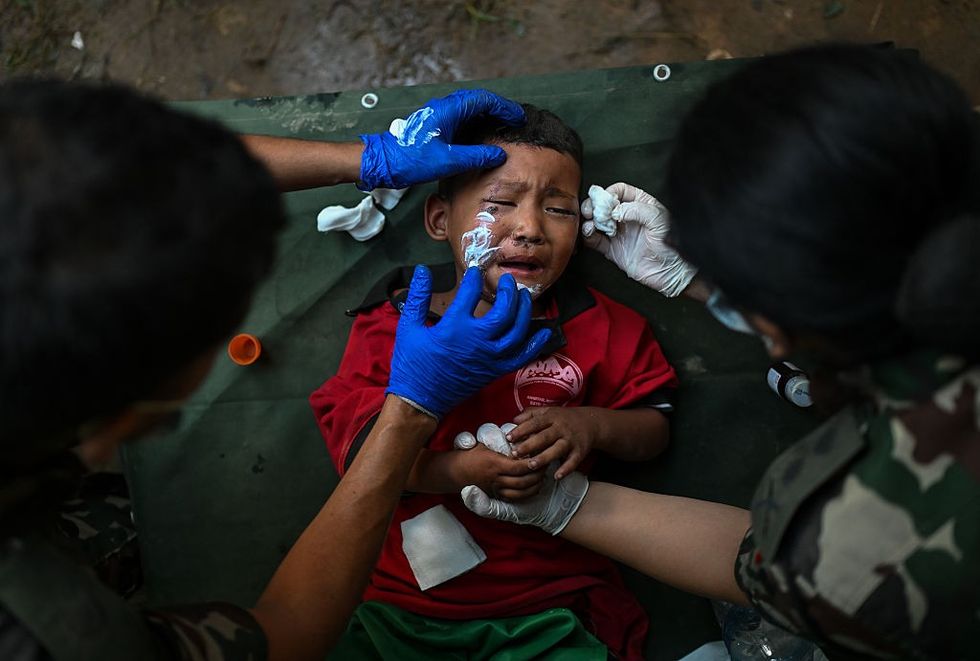 Rescue personnel provide medical treatment to a child at an army rescue camp in Trishuli Batar, Nepal, on August 27, 2026. A sudden flood swept through the Bhote Koshi River basin in northern Rasuwa on August 26, damaging settlements, roads and energy infrastructure, as rescue teams searched for residents and foreign travellers reported out of contact. Hundreds were reported missing as the death toll began to climb. Getty Ima
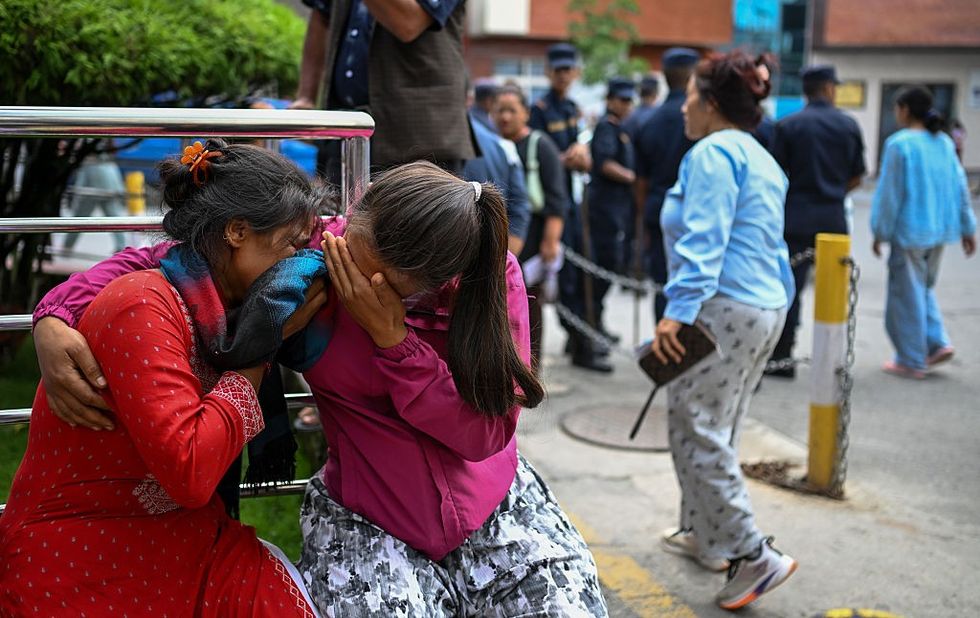 Family members of missing flood victims react at the emergency ward of the Maharajgunj Medical Campus, part of the Tribhuvan University Teaching Hospital, on August 28, 2026 in Kathmandu, Nepal. Authorities said the flash floods were triggered after a mass of ice, mud and rock collapsed into a Himalayan river near the Nepal-China border, leaving hundreds dead or missing and causing widespread damage in affected districts. Authorities continued the gruelling search for victims, many buried under metres of mud, as both China and Nepal issued fresh flooding alerts.Getty Images