

DESCRIBING state and district officials as "field commanders" in the fight against Covid-19, prime minister Narendra Modi on Tuesday (18) said localised containment zones, aggressive testing and sharing correct and complete information with people are weapons to defeat the pandemic.
Interacting with them at a meeting, which was attended by district magistrates from 46 districts across nine states, through video-conferencing, Modi said they were free to innovate to suit their local requirements and asked them to share their feedback about any change in policy without any inhibition.
Asserting that vaccination is a strong way to fight Covid, Modi said myths about it have to be collectively rooted out.
He added that continuous efforts are being made to ramp up Covid vaccine supply in a big way, asserting that attempts are on to provide states 15-day advance schedule of the programme as it will allow them to prepare accordingly.
"Testing, tracking, treatment and Covid appropriate behaviour are some of the key things required to check the spread of the virus," Modi said.
Hailing officials, the prime minister said many of them worked despite being Covid positive while some lost their family members but they gave duty foremost priority.
He said a lot of attention has to be paid to rural and remote areas during the second wave of the pandemic.
Several chief ministers besides home minister Amit Shah also attended the meeting.

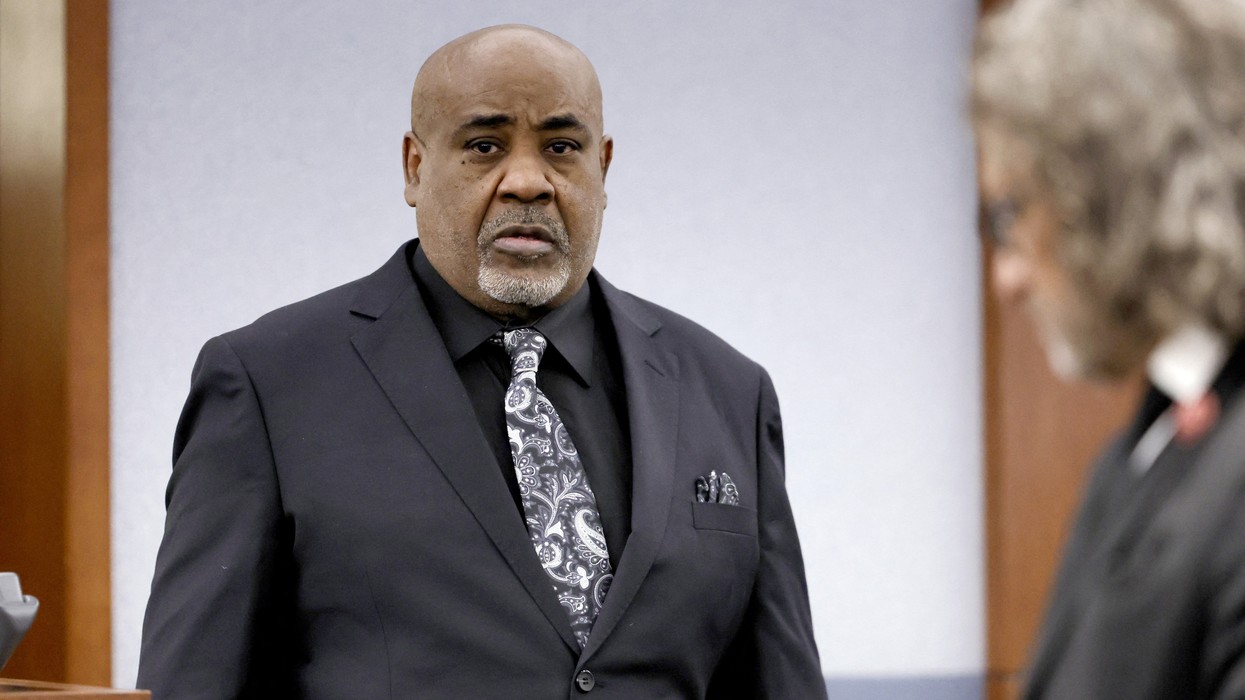
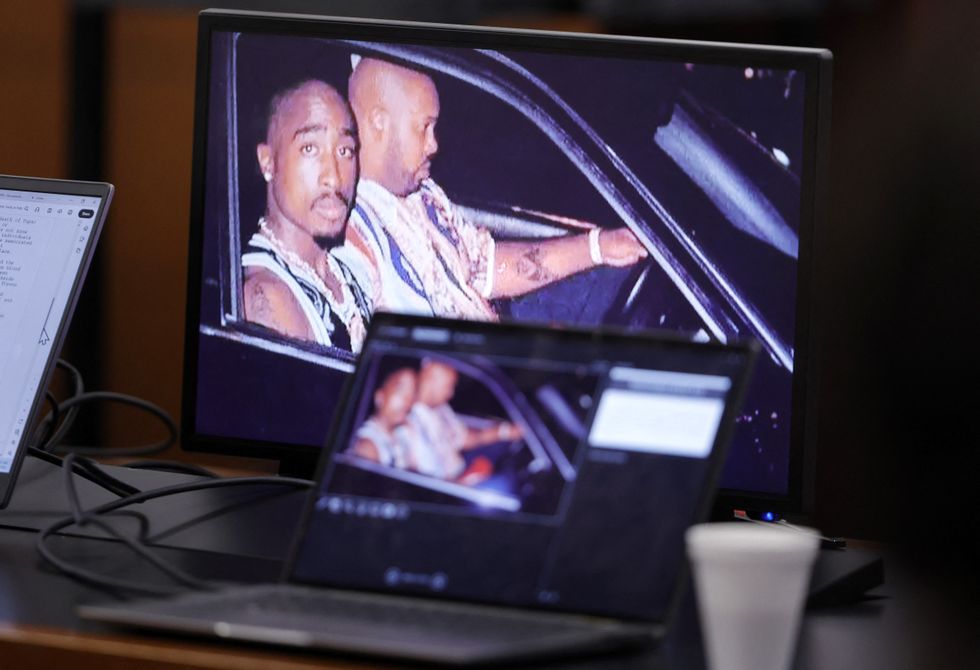 A 1996 photo of rapper Tupac Shakur (L) and Marion "Suge" Knight is shown on screens during closing arguments in the Duane Davis murder trial, related to the 1996 killing of rapper Tupac Shakur, at Clark County District Court at the Regional Justice Center in Las Vegas, Nevada, on August 31, 2026. Getty Images


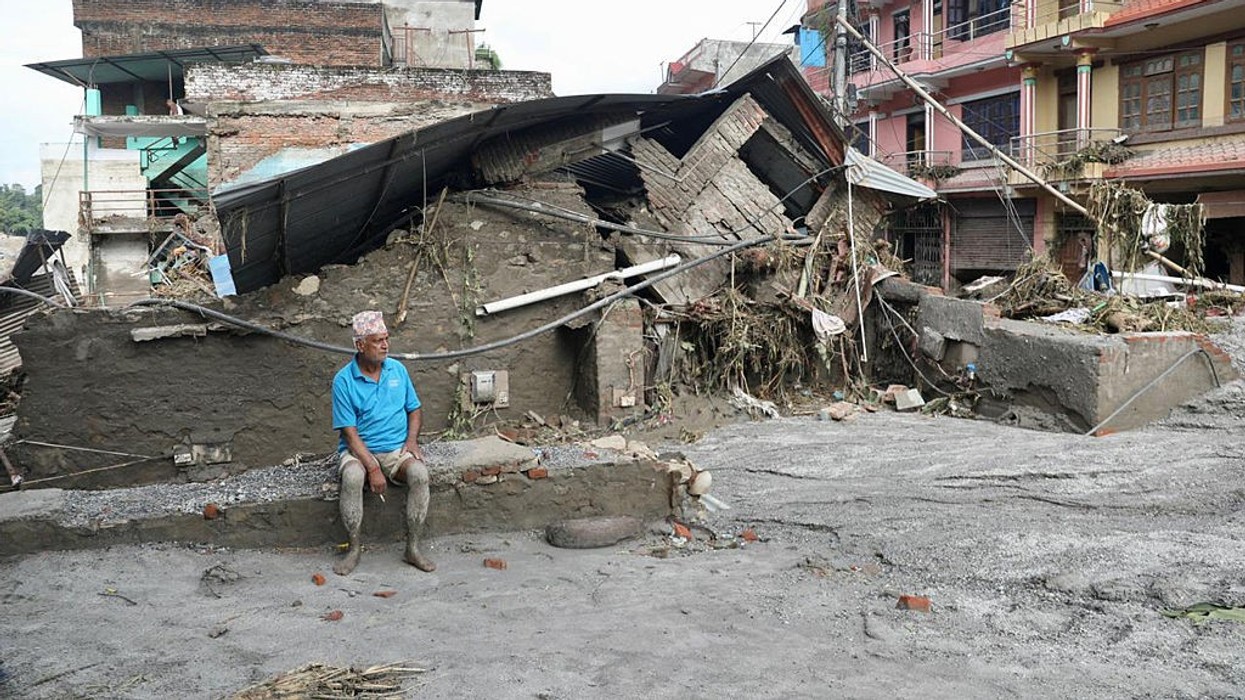
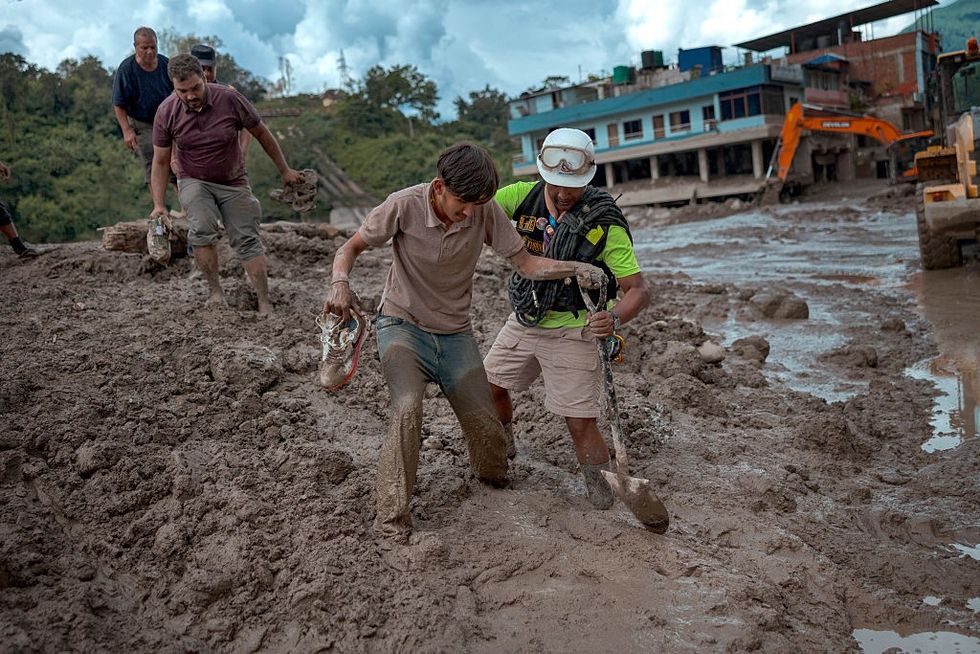 A rescuer assists a resident through heavy mud following flash floods on August 27, 2026 in Trishuli, Nepal. A sudden flood swept through the Bhote Koshi River basin in northern Rasuwa on August 26, damaging settlements, roads and energy infrastructure as rescue teams searched for residents and foreign travellers reported out of contact. Hundreds were reported missing, as the death toll started to climb.Getty Images
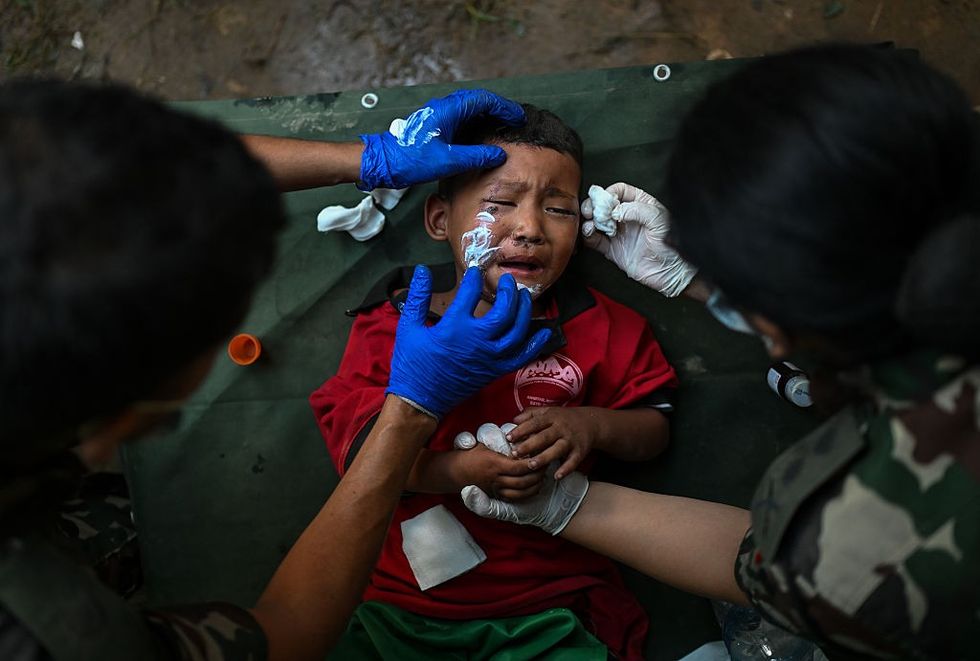 Rescue personnel provide medical treatment to a child at an army rescue camp in Trishuli Batar, Nepal, on August 27, 2026. A sudden flood swept through the Bhote Koshi River basin in northern Rasuwa on August 26, damaging settlements, roads and energy infrastructure, as rescue teams searched for residents and foreign travellers reported out of contact. Hundreds were reported missing as the death toll began to climb. Getty Ima
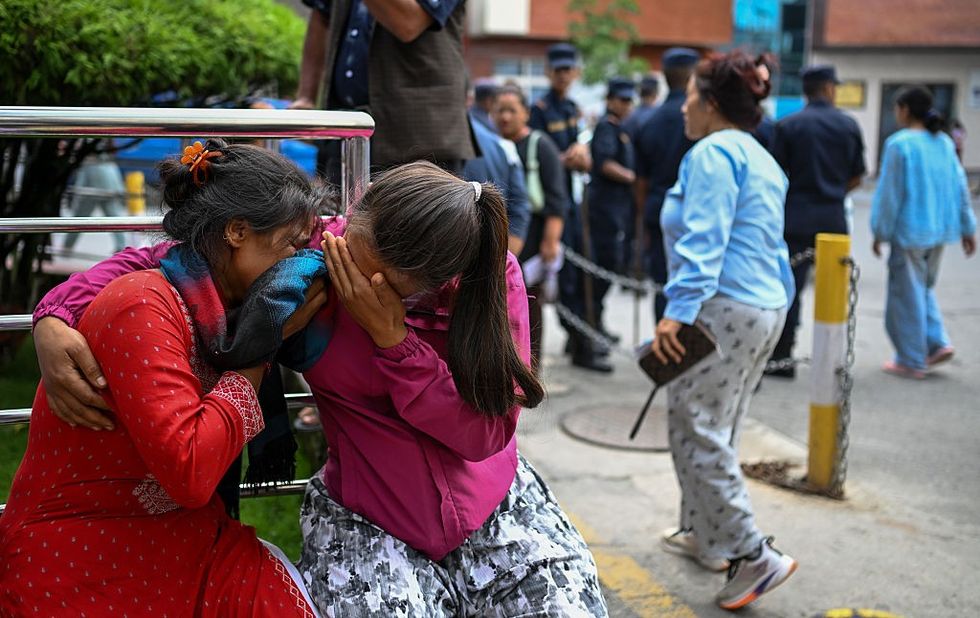 Family members of missing flood victims react at the emergency ward of the Maharajgunj Medical Campus, part of the Tribhuvan University Teaching Hospital, on August 28, 2026 in Kathmandu, Nepal. Authorities said the flash floods were triggered after a mass of ice, mud and rock collapsed into a Himalayan river near the Nepal-China border, leaving hundreds dead or missing and causing widespread damage in affected districts. Authorities continued the gruelling search for victims, many buried under metres of mud, as both China and Nepal issued fresh flooding alerts.Getty Images