
Highlights:
- Dhurandhar received four votes from the 14-member jury.
- Jury member Vivek Vaswani said the film was not considered “Oscar material.”
- Main Vaapas Aaunga was among the final three films considered.
- The jury discussed whether its India-Pakistan subject would resonate with American audiences.
- Vaswani said Main Vaapas Aaunga was not an anti-India or anti-Pakistan film.
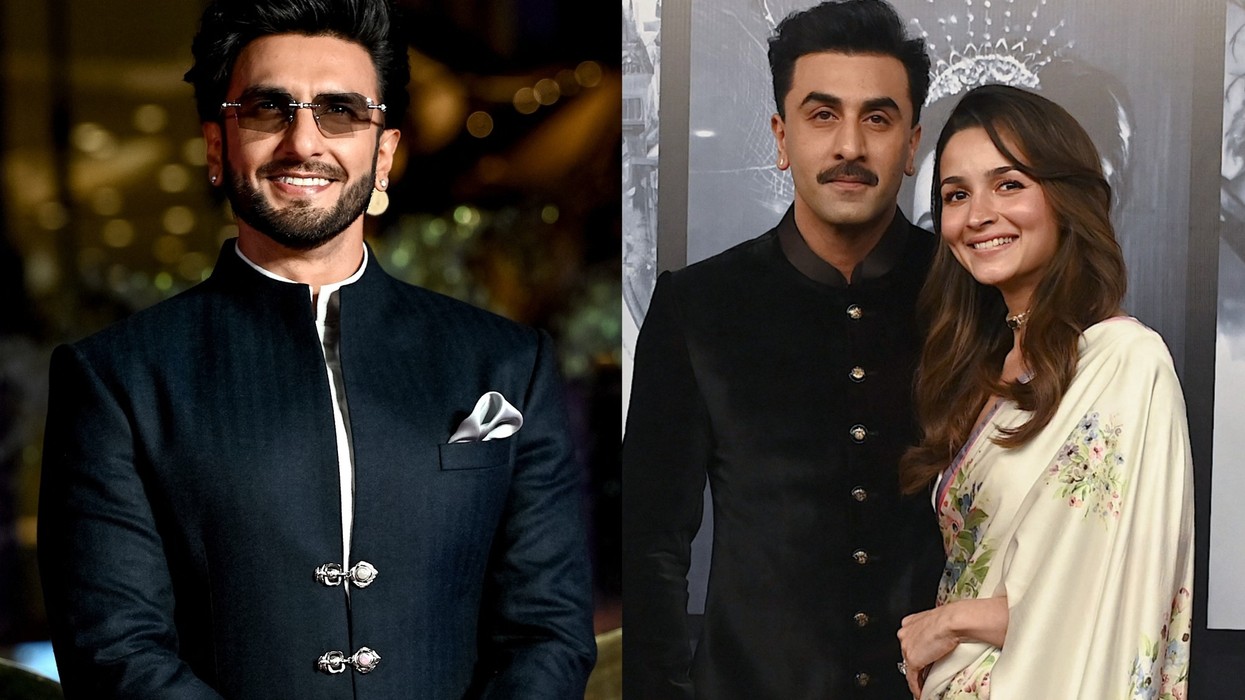
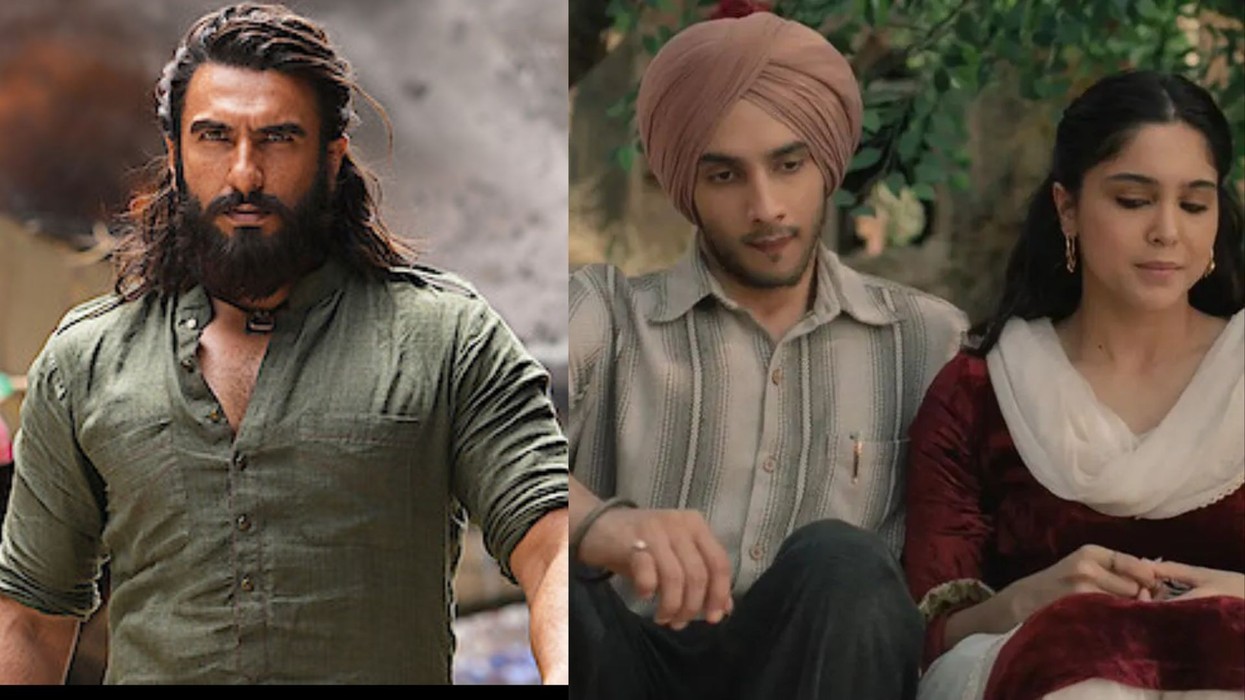
Aditya Dhar’s Dhurandhar, starring Ranveer Singh, was among the films considered by the Film Federation of India jury for the country’s official entry to the 99th Academy Awards.
The film, which was among the major Hindi-language titles in contention, did not make it through the selection process. According to jury member Vivek Vaswani, Dhurandhar received four votes from the 14-member panel.
When Vaswani was asked why the film was not chosen, his response was direct.
“Couple of people liked it but we didnt think it was Oscar material.”
That assessment explains the film’s position within the jury’s deliberations, but Vaswani did not provide further details about what specific elements of Dhurandhar led the panel to reach that conclusion.
The film was ultimately passed over as the jury continued to consider other contenders.
Main Vaapas Aaunga made it to the final three
Imtiaz Ali’s Main Vaapas Aaunga went further in the selection process.
Vaswani revealed that the final three films considered by the 14-member jury were Gondhal, the Naga-language film Angh and Main Vaapas Aaunga.
The film’s subject became an important part of the jury’s discussion. Main Vaapas Aaunga deals with the trauma of the Partition of India and Pakistan, and Vaswani said the panel considered whether that India-Pakistan context would connect with audiences in the United States.
“We thought anything to do with India-Pakistan may not resonate with the audience in America. I mean, it’s like Israel sending an anti-Palestine film,” he said.
His explanation was about the film’s potential international resonance rather than a characterization of its political position.
Vaswani specifically clarified that Main Vaapas Aaunga was not intended as an anti-India or anti-Pakistan film.
“The important thing is that Main Vaapas Aaunga talked about the trauma of war. It was not an anti-Pakistan film. It was not an anti-India film. It was a very sensitive film, the way only Imtiaz Ali can do. But it didn’t get enough votes from the jury,” he said.
Vaswani also provided some insight into the voting during the final stage of the process.
According to him, Angh received 11 votes out of 14 jury members. Gondhal, however, ultimately secured unanimous support from the panel.
The selection process therefore came down to a group of films that had made a significant impression on different members of the jury, with Main Vaapas Aaunga making it into the final three but ultimately failing to gather enough votes.
For Dhurandhar, the outcome came earlier, with only four jury members supporting the film.
The explanations from Vaswani offer a glimpse into the factors discussed by the panel: the perceived international resonance of a film’s subject, its positioning for an American audience and the jury’s assessment of whether a film could work as India’s Oscar submission.
Ultimately, Gondhal was selected as India’s official entry, while Dhurandhar and Main Vaapas Aaunga were left out of the country’s Oscar campaign.