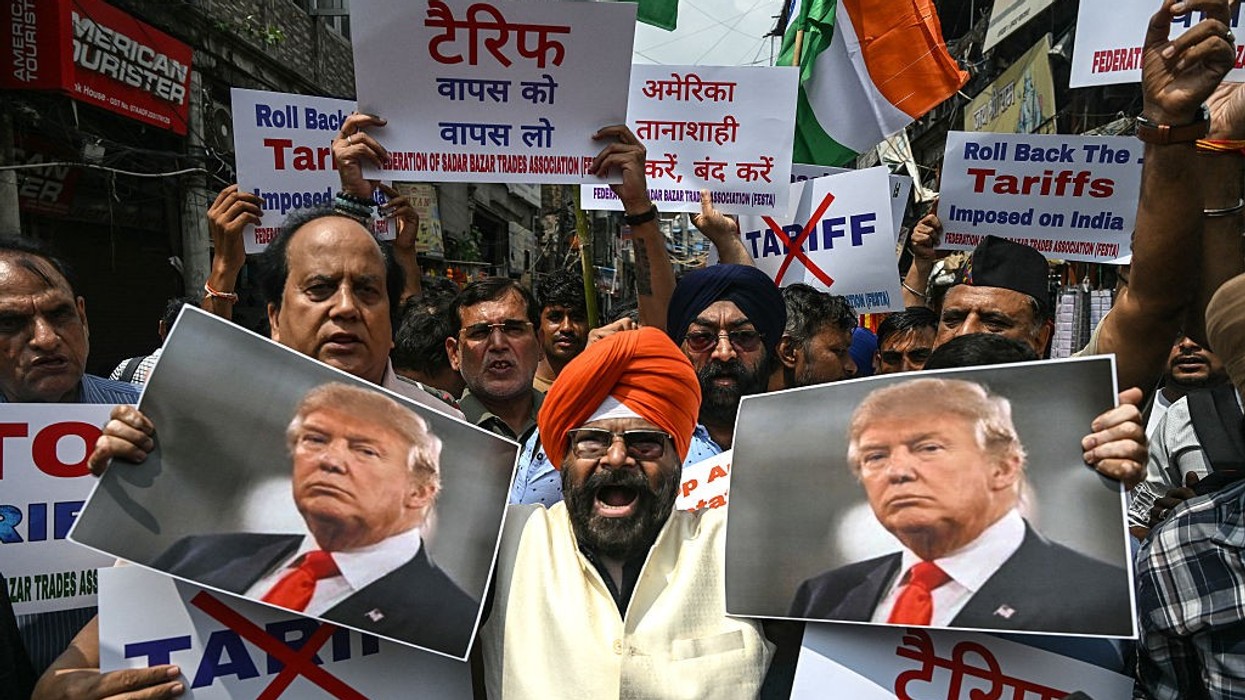

- Prada launches Kolhapuri-inspired sandals made in India in 2026
- Backlash began after Milan Fashion Week 2025 show
- Sandals priced far above traditional Kolhapuri footwear
- Artisans from Maharashtra and Karnataka involved
- Debate over cultural appropriation and fair compensation continues
Italian luxury brand Prada has launched a limited-edition line of sandals inspired by India’s traditional Kolhapuri chappals. The collection was released in 2026, nearly a year after the brand faced criticism for cultural appropriation.
The company said the new sandals are manufactured in India. Artisans from Maharashtra and Karnataka, the regions where Kolhapuri sandals are traditionally made, produced the footwear. Each pair is handmade, reflecting traditional craftsmanship combined with modern luxury design.
The sandals are reportedly priced at around €750 ($881; £650) per pair. The collection is available in about 40 Prada stores worldwide and also online.
Prada described the line as combining traditional techniques with contemporary design and premium materials. It said the collection creates “a dialogue between Indian heritage and modern luxury expression.”
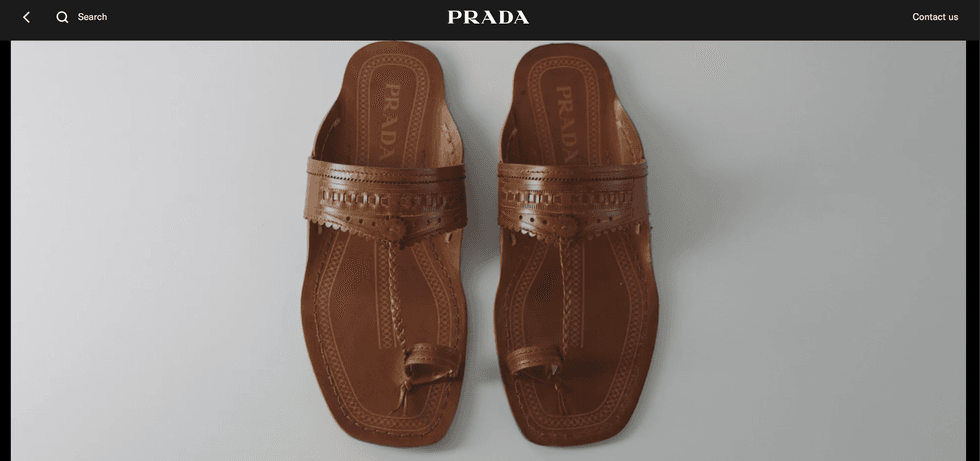 A screenshot of Prada manufactured Kolhapuri Chappal on their website.www.prada.com
When did the Kolhapuri Chappal get into controversy?
The controversy began in June 2025 during Milan Fashion Week. Prada presented open-toe leather sandals as part of its Spring-Summer 2026 menswear collection.
The designs closely resembled Kolhapuri chappals. However, the brand did not mention their Indian origin at the time. The sandals were described simply as “leather sandals.”
This omission led to accusations of cultural appropriation. Indian artisans, officials, and social media users criticized the brand for not acknowledging the heritage behind the design.
The backlash grew stronger because the luxury versions were priced at over $1,200, while traditional Kolhapuri sandals are much cheaper.
What's so special about Kolhapuri Chappal?
Kolhapuri chappals are traditional handcrafted leather sandals from India. They are mainly produced in Maharashtra and Karnataka. The craft dates back to at least the 12th century.
These sandals are known for their flat soles, open-heel design, and T-strap. Over time, they adjust to the wearer’s feet, offering comfort and durability.
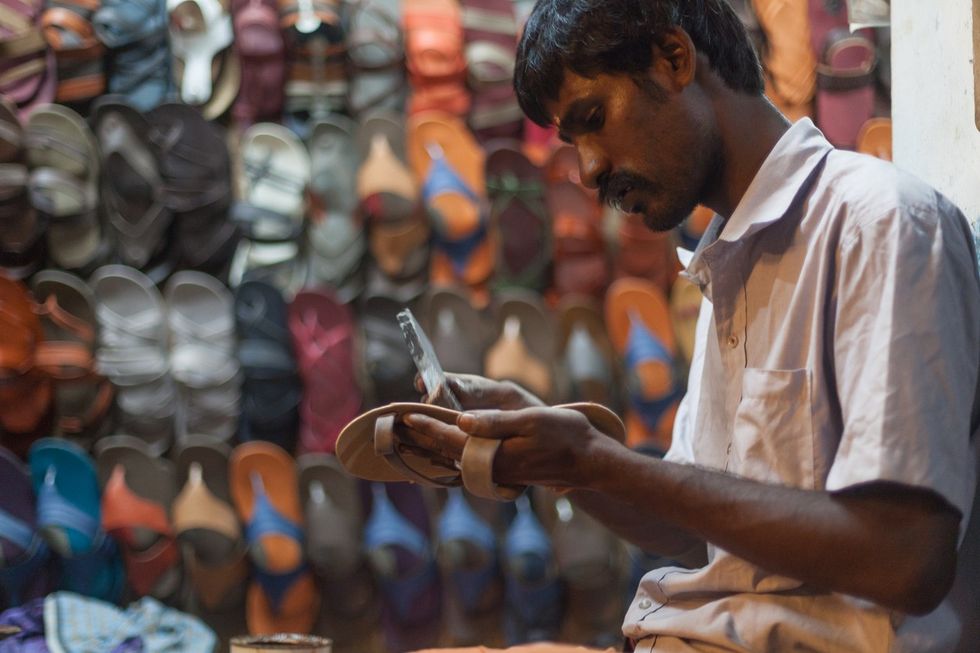 A shoemaker in his workshop in Kerala village. Services and hand-making is very cheap in India.iStock
In 2019, the Government of India granted Kolhapuri chappals a Geographical Indication (GI) tag. This certification recognizes their regional origin and protects their authenticity.
Authentic Kolhapuri sandals are usually sold in India for between 500 and 1,000 rupees ($5 to $12). They are an important source of income for thousands of artisan families.
Celebrities reacted to Prada's stunt
The reaction in India was strong and widespread after the 2025 show. Artisans, politicians, and industry groups raised concerns about the lack of recognition for traditional crafts.
The controversy also drew attention from public figures. In July 2025, actors Kareena Kapoor Khan and Neena Gupta commented on the issue.
Kareena Kapoor shared a photo of herself wearing authentic Kolhapuri sandals. She wrote, “Sorry, not Prada… but my OG Kolhapuri.”
Neena Gupta also posted a video showing her handmade Kolhapuris. She said, “These are the most beautiful slippers I have ever had. Most beautiful and handmade. I love them. Thank you, Laxmikant. You are not there anymore, but I love you.”
She added the caption, “Real toh real hota hai (Real is real).”
These reactions reflected a broader sentiment supporting traditional craftsmanship.
The issue also reached the courts. A Public Interest Litigation (PIL) was filed in the Bombay High Court in 2025.
The petition called for compensation for artisans and a public apology from Prada. It argued that the designs were identical to GI-protected Kolhapuri chappals.
The case raised questions about intellectual property rights and cultural ownership. It also highlighted the challenges of enforcing GI protections internationally.
The controversy led to increased awareness of Kolhapuri chappals. Many consumers in India began supporting local artisans.
There was a surge in demand for authentic Kolhapuri footwear. Social media campaigns encouraged people to buy directly from traditional makers.
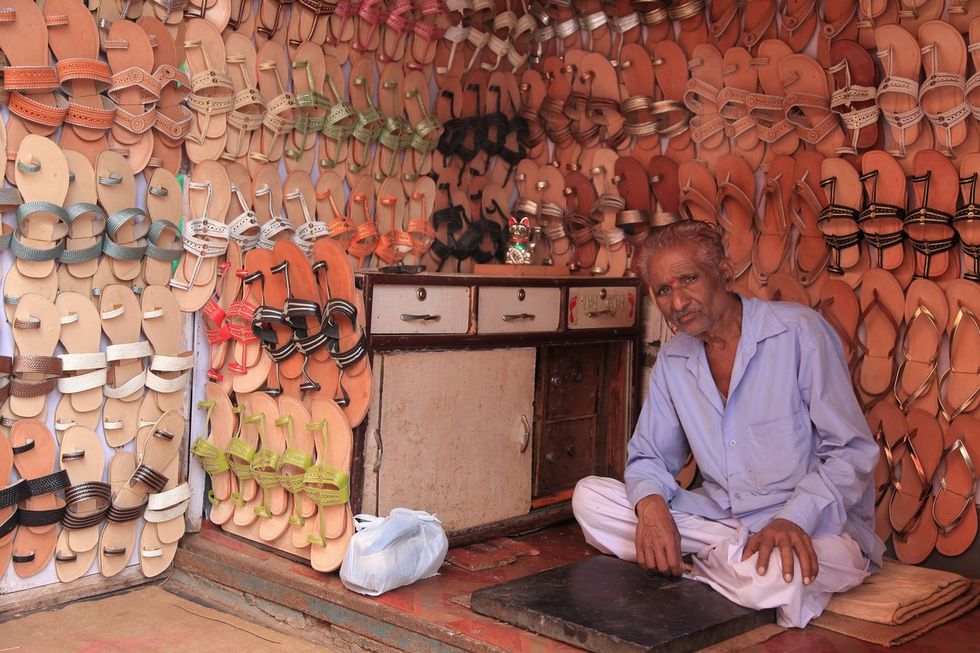 Footwear vendors in the streets of Mahabaleshwar in IndiaiStock
At the same time, the issue sparked a wider debate about cultural appropriation in the global fashion industry.Some officials argued that failing to credit the design violated India’s GI Act. Organizations representing artisans called for acknowledgment, collaboration, and fair compensation.
The Maharashtra Chamber of Commerce, Industry and Agriculture (MACCIA) wrote to Prada. It urged the company to recognize the inspiration and work with artisan communities.
There were also discussions about possible legal action. State-run bodies in Maharashtra and Karnataka, which hold GI rights for Kolhapuri chappals, explored options for protecting the craft.
Prada gives due credit
After the backlash, Prada acknowledged that its designs were inspired by traditional Indian handcrafted footwear. The company said the sandals have a “centuries-old heritage.”
Lorenzo Bertelli, head of corporate social responsibility at Prada Group, stated that the company recognizes the cultural importance of Indian craftsmanship.
He also said the collection was still in the early design stage at the time and had not been finalized for production.
Prada expressed willingness to engage with Indian artisans and open discussions with stakeholders. The company said it is committed to responsible design practices and cultural exchange.
What's different about 2026 collection?
The 2026 collection marks a shift in approach. Prada has now involved Indian artisans directly in the manufacturing process.
The sandals are made in India by skilled craftspeople from regions known for Kolhapuri production. This move aims to address earlier criticism about lack of recognition.
Prada has also announced a three-year training program for artisans. The initiative will include participants from eight districts associated with Kolhapuri sandal making.
The program will train 180 artisans in six-month modules. It is being developed in collaboration with Indian design institutes.
Some participants may also receive advanced training at the Prada Group Academy in Italy.
According to Prada, the training program aims to support artisans and preserve traditional skills. It focuses on strengthening craftsmanship and promoting sustainable livelihoods.
The initiative also seeks to help local communities continue the craft. By improving skills and providing exposure, the program aims to connect artisans with global markets.
Indian institutions involved in the program said it would help promote traditional crafts internationally.
Now onwards...
The Prada-Kolhapuri controversy has become an example of the challenges faced by traditional crafts in a globalized market.
Experts say it highlights the need for better recognition and fair compensation for artisans. It also shows the importance of ethical collaborations between luxury brands and local communities.
Prada’s decision to manufacture the sandals in India and involve artisans marks a step toward addressing these concerns.
However, debates about cultural appropriation, ownership, and authenticity continue.
The case has also raised questions about how international brands can draw inspiration from traditional designs while respecting their origins.
The Kolhapuri chappal controversy remains significant because it involves heritage, identity, and livelihoods.
Traditional crafts like Kolhapuri sandals are not just products. They represent history, culture, and the skills of generations of artisans.
The events of 2025 and 2026 have brought global attention to these issues. They have also shown the importance of acknowledging and supporting the communities behind such crafts.
As luxury brands continue to explore traditional designs, the need for transparency and respect remains central to the conversation.