
Highlights:
US President Donald Trump has indicated he may reconsider imposing a 25 per cent tariff on Indian imports in response to New Delhi’s continued purchase of Russian oil, a move that has created significant uncertainty in trade relations between the two nations. Washington announced the additional duty — on top of an earlier 25 per cent tariff, effectively doubling the rate — last month as a penalty aimed at persuading India to align with US sanctions against Moscow.
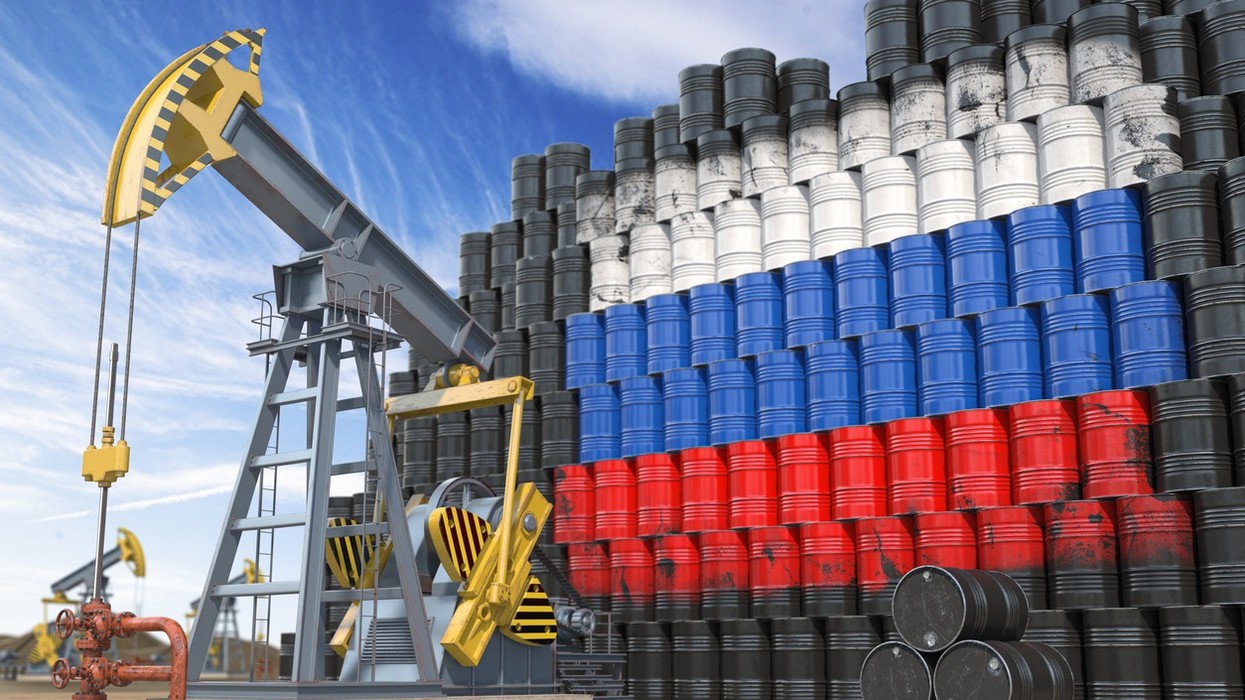
The new tariffs are set to come into effect on August 27. However, while US officials claim India has stopped oil imports from Russia, New Delhi has yet to formally confirm any such halt. The White House’s threat specifically targets countries that maintain oil trade relations with Moscow, warning of “secondary sanctions” if pressure to end the Ukraine conflict fails to yield results. India and China are the two largest importers of Russian crude oil.
Trump’s remarks: Caution and threat
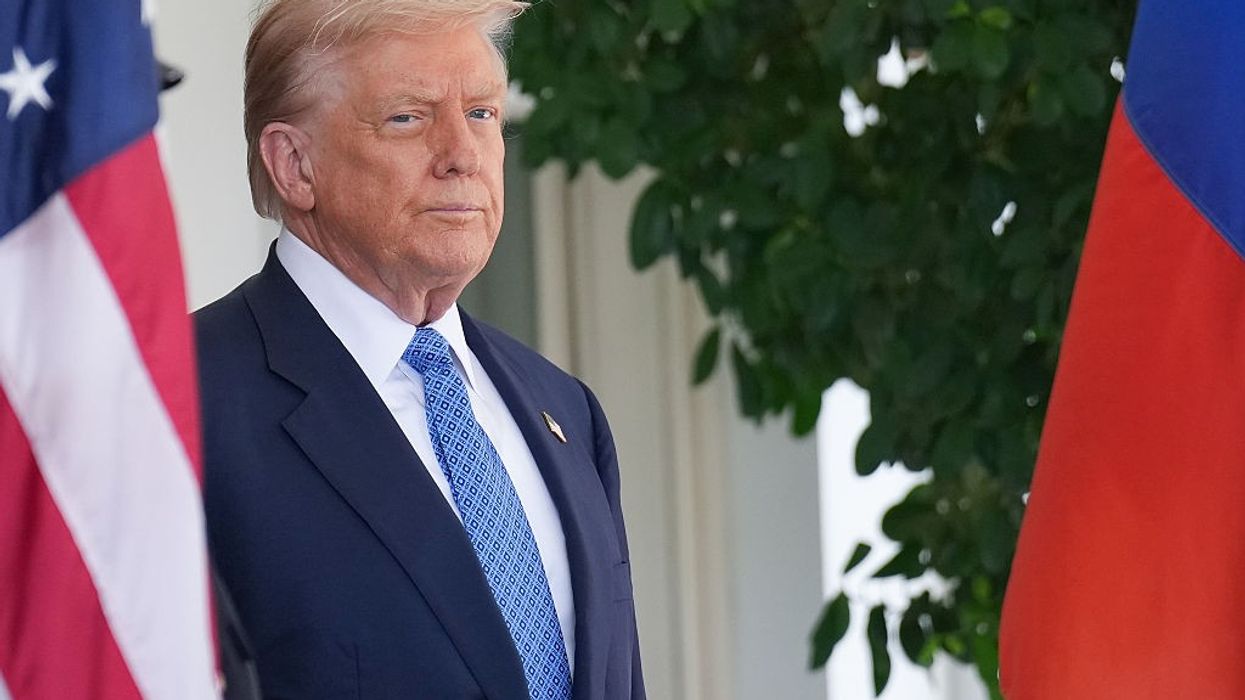
Speaking with Fox News before departing for a high-level meeting in Alaska with Russian President Vladimir Putin, President Trump claimed that Russia “lost an oil client… India, which was doing about 40 per cent of the oil.” He referred to the possibility of a “secondary tariff” on countries like India that continue trading with Russia, saying, “If I have to do it, I’ll do it. Maybe I won’t have to do it.”
These statements have introduced a degree of ambiguity into US policy, with Trump simultaneously emphasizing his willingness to impose severe penalties, while also suggesting there may be flexibility if circumstances change.
Impact on Indian trade and political response
In response to the tariff escalation, Indian officials criticized the US decision as “unfair, unjustified, and unreasonable.” Analysts warn that the 50 per cent tariff will especially harm Indian exports in sectors such as textiles, marine products, and leather goods. Prime Minister Narendra Modi responded by stating that India would not yield to economic pressure, reaffirming the country’s stance on sovereign economic decisions.
Both Russia and China have joined India in condemning what they describe as illegal economic coercion by Washington. India’s Ministry of Commerce reiterated its preference for diversified oil supplies, asserting the right to make purchases based on national interest and economic viability.
Mixed signals on India’s Russia oil purchases
Despite Bloomberg reports that Indian state-owned refineries have halted Russian crude purchases following US action, Indian authorities maintain that imports are continuing. Indian Oil Corporation chairman AS Sahney confirmed that India is still buying Russian oil, guided solely by commercial considerations and global pricing.
India rapidly became Russia’s largest oil customer in 2022, capitalizing on discounted crude as Western nations imposed sanctions over the Ukraine war. The State Bank of India estimates that ending Russian oil purchases could increase India’s crude import bill by $9 billion this financial year and $12 billion the next. Alternative suppliers, such as Iraq, Saudi Arabia, and the UAE, are being considered should Russian imports become unviable.
Discounted Russian oil and future outlook
Energy intelligence firm Kpler Ltd reported that Russian crude is being offered to Indian refiners at lower prices amid declining demand in Europe and threats of Western penalties. The attractiveness of Russian crude, combined with economic imperatives, continues to drive India’s purchasing strategy even as diplomatic and commercial pressures mount.
In summary, while the US threatens heavy tariffs to penalize India’s Russian oil imports, President Trump’s latest comments hint at a possible diplomatic opening, leaving the final outcome uncertain for India’s trade, energy, and geopolitical calculus.