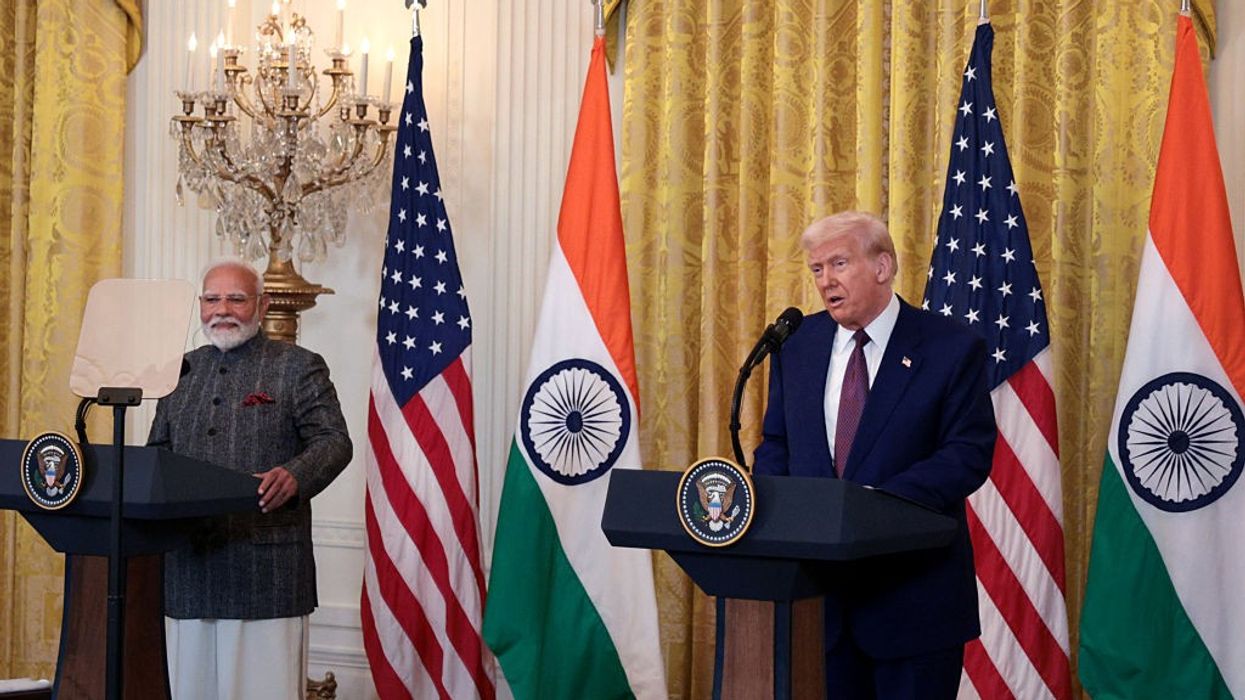

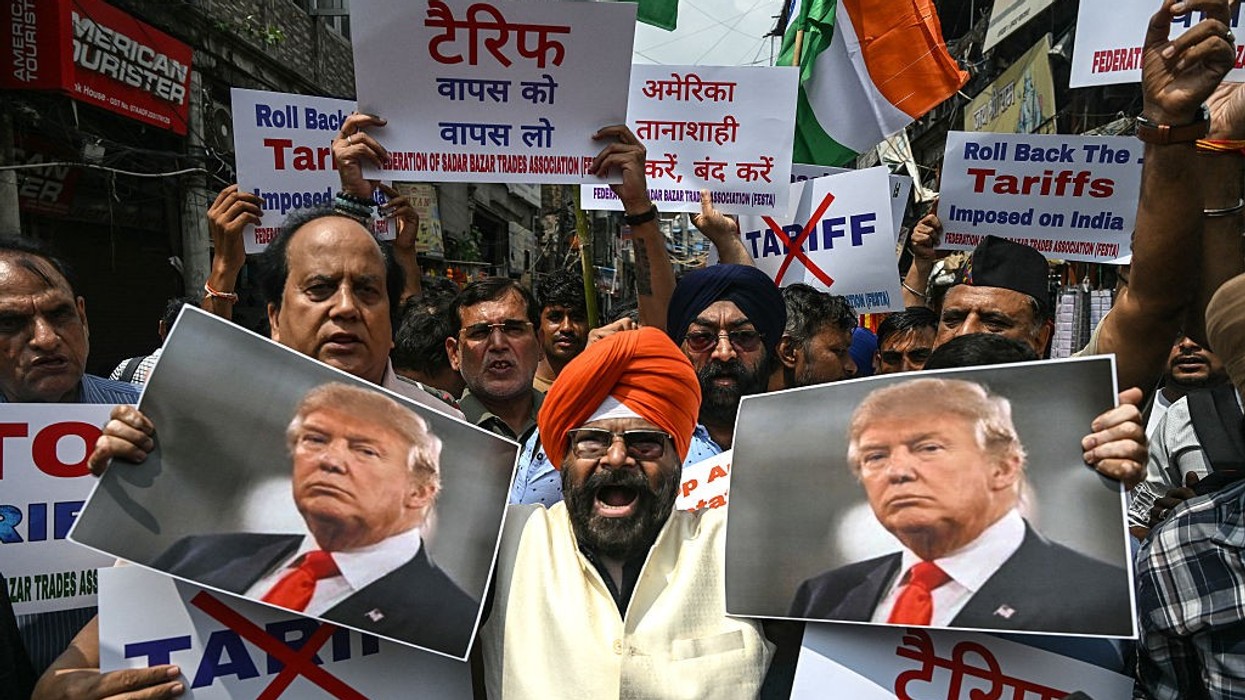
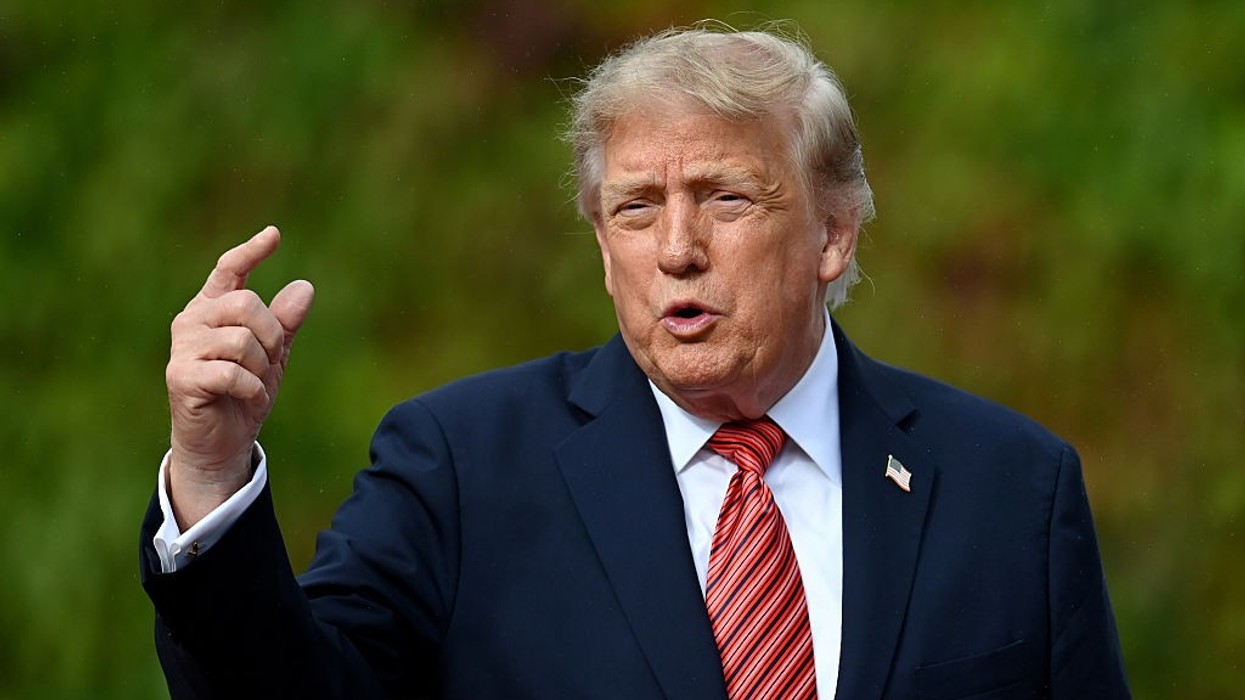
With an imminent August 1 deadline, President Donald Trump has warned that India could face tariffs as high as 25 per cent on its exports to the US if the two nations fail to finalize a comprehensive trade deal this week. Speaking to reporters on Tuesday (29), Trump affirmed, "Yeah, I think so," when asked whether Delhi would face steeper tariffs in the absence of a deal. This comes as officials from both sides have gone back and forth on the prospects of reaching an agreement, alternating between optimism and caution as negotiations continue.
Tough rhetoric and longstanding trade tensions
President Trump described India as "a good friend," but noted, "India has charged basically more tariffs than almost any other country. But now I'm in charge, and you just can't do that." This echoes his longstanding criticism of India's protectionist trade policies and frequent designation of India as a "tariff king."
Despite high-level dialogue between leaders, prime minister Modi and president Trump have both set a target to boost bilateral trade from $190bn in 2024 to $500bn—the US continues to run a significant $45bn trade deficit with India, a figure Trump cites as justification for demanding greater market access and tariff reductions.
Negotiation sticking points: Agriculture and dairy
One of the most contentious issues hampering progress is agricultural and dairy market access. Washington sees India's farm sector as a major, largely untapped market and has long pushed for greater entry for American agricultural products. However, India staunchly protects its agricultural sector, citing food security and the livelihoods of millions of small farmers. Indian Commerce Minister Piyush Goyal recently reiterated that agriculture remains a "sensitive" sector and declared that farmer interests would not be compromised in any deal.
Current status and next steps
As of now, no formal letter setting a final tariff rate has been sent to India from the US, unlike similar notifications to other trading partners. Although the US had previously announced tariffs of up to 27 per cent on Indian goods in April, those were paused to allow for further negotiations. Trump has now publicly mentioned possible tariffs in the 20 per cent–25 per cent range if talks stall, representing a potential increase from existing 10 per cent baseline rates. Both sides have made limited concessions—India has reduced tariffs on some goods like Bourbon whiskey and motorcycles, while the US seeks larger, structural market openings in areas such as digital trade and industrial goods.
Despite the standoff, US Trade Representative Jamieson Greer stated discussions remain constructive, though he acknowledged India's "protectionist" policies and the challenge in securing rapid progress. Indian officials remain "optimistic" about a deal and plan to continue negotiations when another US team visits Delhi in mid-August, with hopes for a broader arrangement by September or October.
Implications for both economies
For now, India is preparing for the possibility of 20–25 per cent duties on some exports—a move officials describe as temporary while comprehensive talks continue. Experts note that imposing high tariffs will drive up costs for US consumers, and while the US Treasury has collected record revenues from previous tariffs, there are concerns about negative impacts on household incomes and inflationary pressures.
In summary, the next few days will be critical in determining whether India and the US can resolve their trade impasse or move towards a period of higher tariffs and renewed tension, with agriculture, dairy, and market access remaining as key stumbling blocks.





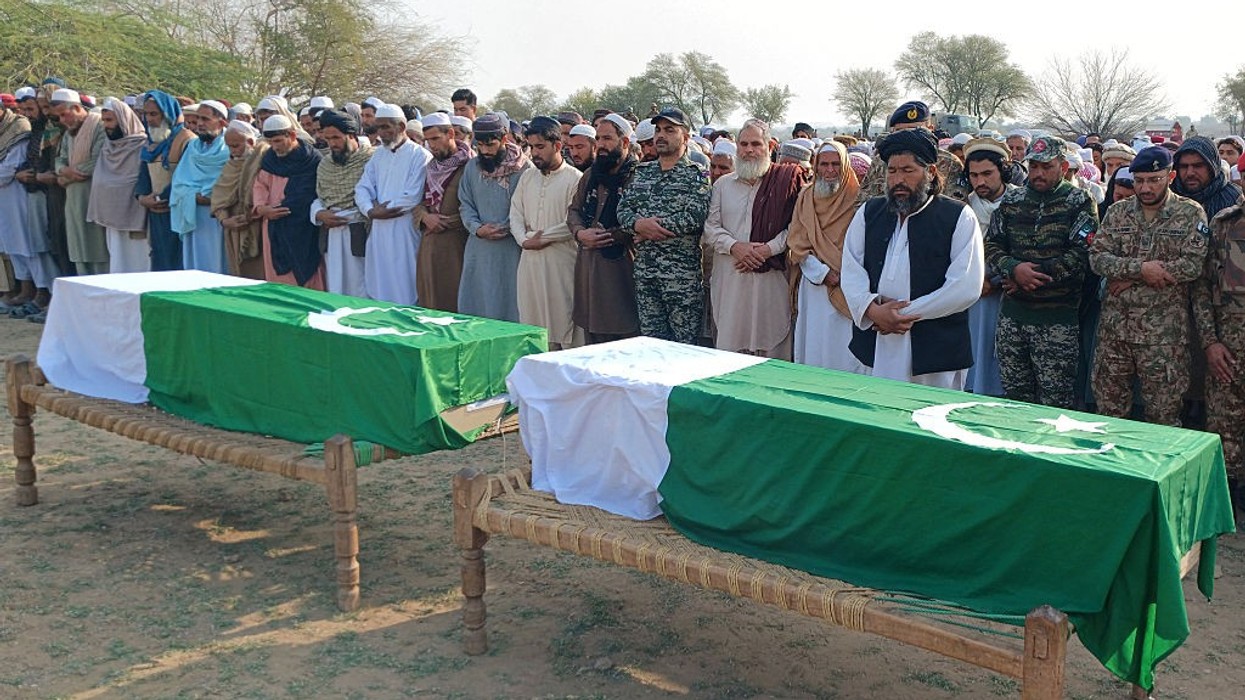
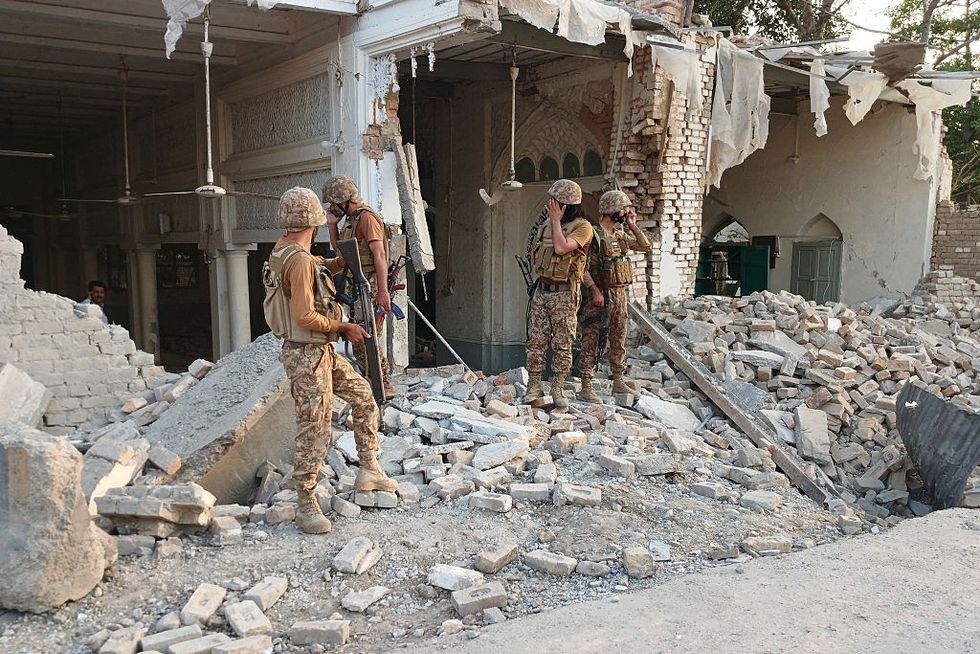 Army personnel stand amid the rubble following an explosion inside the police headquarters at Kohat in Pakistan's Khyber Pakhtunkhwa province on September 18, 2026. An explosion at a historic police headquarters in northern Pakistan on September 18 killed at least eight people and wounded 35 more, officials said, with the country's president swiftly blaming a militant group. Getty Images
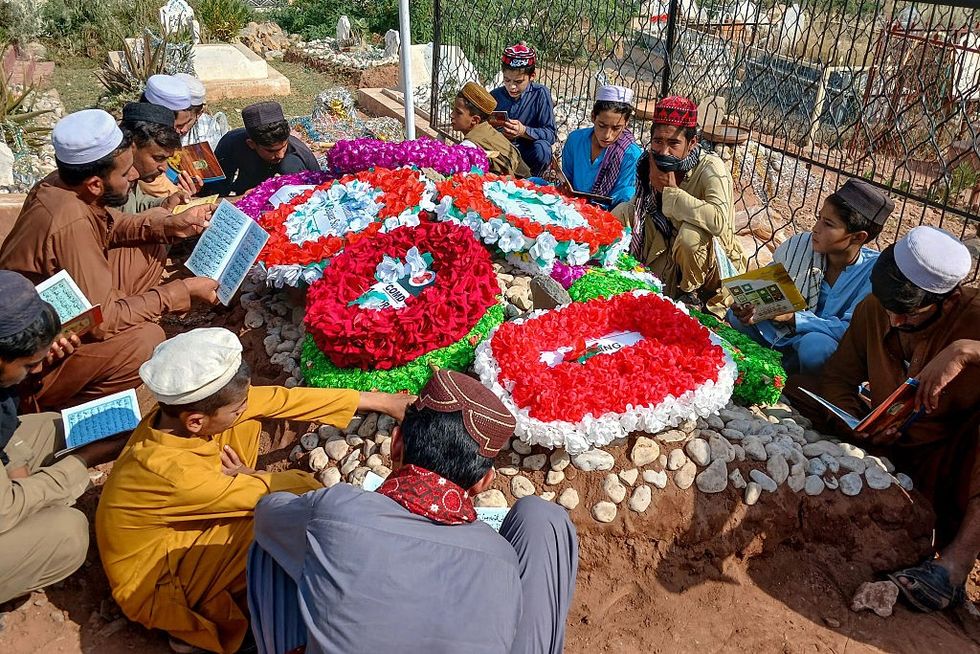 Mourners read the holy Quran while sitting around the grave of a paramilitary personnel of the Frontier Corps (FC) who was killed during the Afghanistan-Pakistan border clashes, in Kohat on October 17, 2025. A ceasefire along the frontier between Afghanistan and Pakistan was holding on October 16, officials on both sides said, after dozens of troops and civilians were killed in cross-border clashes.Getty Images