
- Trump secretly left Turkey aboard a C-32A military jet, not the older Air Force One reporters believed he was using.
- US officials said the move followed a credible threat from Iran against the president.
- Reporters and some White House staff members were unknowingly used as part of the deception.
- Trump later rejoined the older Air Force One in Britain before switching to the Qatar-donated aircraft.
- Officials said the operation was designed to protect Trump and prevent his location from becoming known.
President Donald Trump was secretly moved out of Turkey during last month’s NATO summit after US officials determined that a threat from Iran against him was credible, according to two senior US officials.
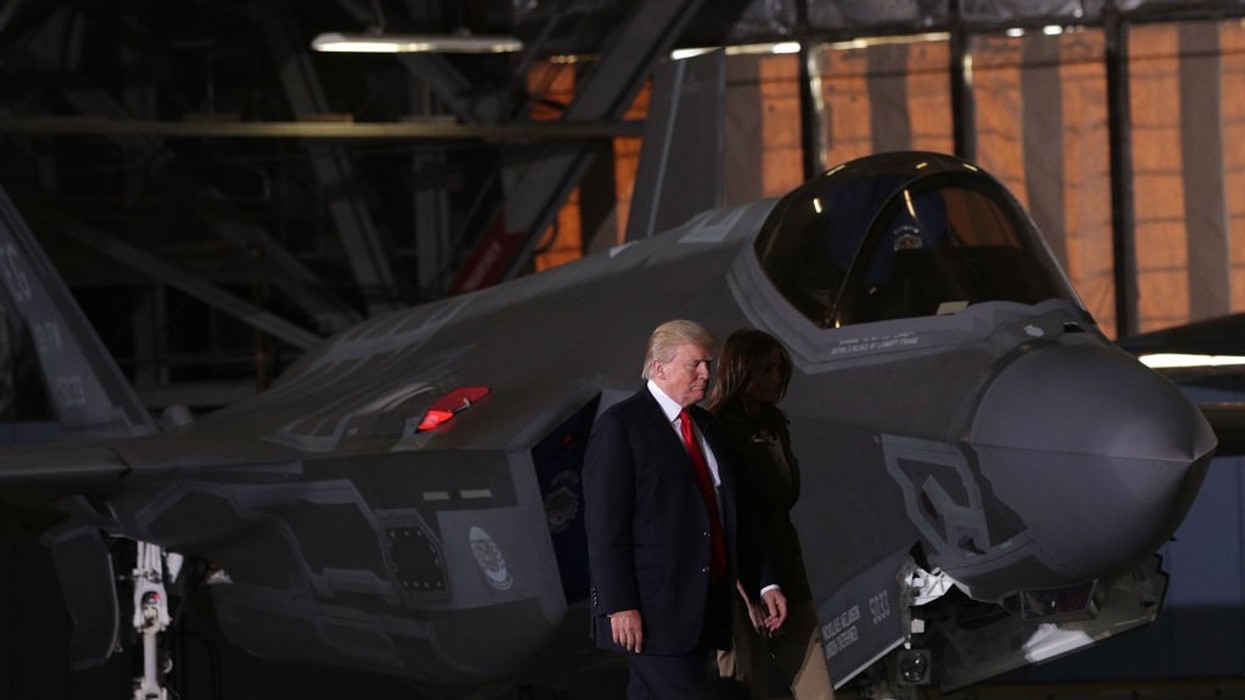
The operation involved an unusual deception. Trump appeared to board an older version of Air Force One in full view of cameras at an airport in Turkey. Reporters traveling with the president also boarded that aircraft.
But Trump did not actually fly with them.
Instead, officials secretly moved him from the aircraft through a catering container positioned on the opposite side of the plane. He was then taken to a third aircraft, a C-32A military jet based on the Boeing 757.
The military aircraft flew Trump secretly to Britain.
Reporters on the older Air Force One were not told about the change. They believed the president was traveling with them to a British military base. That made the journalists and some White House staff members unwitting participants in the operation.
The Washington Post had previously reported that a C-32A carried Trump from Turkey to Britain. The new details explain how the administration kept that flight hidden from the press pool.
Why officials used a decoy plane
Before Trump left Turkey, the White House had publicly said he would fly aboard an older version of Air Force One rather than the newer Boeing 747-8 donated by Qatar.
Trump said at the time that the aircraft switch was being made for “old time’s sake.”
The older aircraft was also considered more secure. The Qatar-donated plane had not been fitted with all of the defensive systems found on the older presidential aircraft.
Security concerns became more serious after U.S. officials received information about a threat from Iran. Officials said the threat was directed at Trump regardless of which aircraft he used.
After Trump arrived in Britain, he was secretly moved back onto the older Air Force One. He then walked across the tarmac in front of reporters and boarded the Qatar-donated plane for the flight back to Washington.
The operation appears to have been organized within hours after officials decided the Iranian threat was credible.
A small group of senior officials was involved, including Gen. Dan Caine, chairman of the Joint Chiefs of Staff, and Defense Secretary Pete Hegseth.
White House defended security measures
The White House has not publicly acknowledged every detail of the operation.
During the NATO summit, White House communications director Steven Cheung appeared to suggest that officials could use deception to protect the president.
“As the president has said recently, there are many enemies of America who have their sights on him, and we use every tool at our disposal, including distraction and misdirection — to address those threats,” he said.
The White House later repeated the statement but removed the reference to “distraction and misdirection.”
The president himself offered a different explanation during the flight back to the United States. He said he wanted troops at the British base to see the newer aircraft.
Reporters also asked why they had been told to keep the window shades closed during the flight from Turkey.
Trump said he knew of no specific threat but acknowledged the continuing danger from Iran.
“I’m number one on their list, before you,” he told the reporters. “But if I go, you go.
Right?
The use of a decoy aircraft is not without precedent. Donald Mihalek, a former Secret Service agent who worked on the protective details for Presidents George W. Bush and Barack Obama, said such tactics have been used before.
“Anytime the president is in a theater where there’s potential combat danger, the Secret Service has employed protective counter measures including the use of a decoy,” Mr. Mihalek said.
He added that protecting the president takes priority over public transparency.
“The agency is not the agency of public affairs,” he said. “The agency is the agency of the Secret Service. Their number one job is to keep the president safe.”
Iran threats have shaped Trump’s security
Trump has faced threats from Iran for years, particularly after he ordered the killing of Iranian commander Maj. Gen. Qassim Suleimani during his first term.
During the 2024 presidential campaign, Trump’s advisers privately warned allies that Iran continued to seek ways to harm him. His campaign sometimes used secret flights and decoy aircraft.
The Biden administration also increased security around Trump after receiving intelligence about possible assassination plots. Trump later survived an assassination attempt at a campaign rally in Butler, Pennsylvania, in July 2024. A second attempt occurred in September that year.
The threats have continued to influence how Trump and his advisers deal with the media and government agencies.
The latest operation is especially notable because reporters assigned to cover the president were deliberately given false information about his location.
For the White House, the decision reflects the seriousness of the threat officials believed Trump faced. For the press, it raises questions about how much information can be withheld from journalists who are expected to track the president’s movements.
The administration has argued that protecting Trump comes first. But the episode also highlights the unusual lengths officials were willing to take to keep the president’s location secret during a period of heightened tensions with Iran.

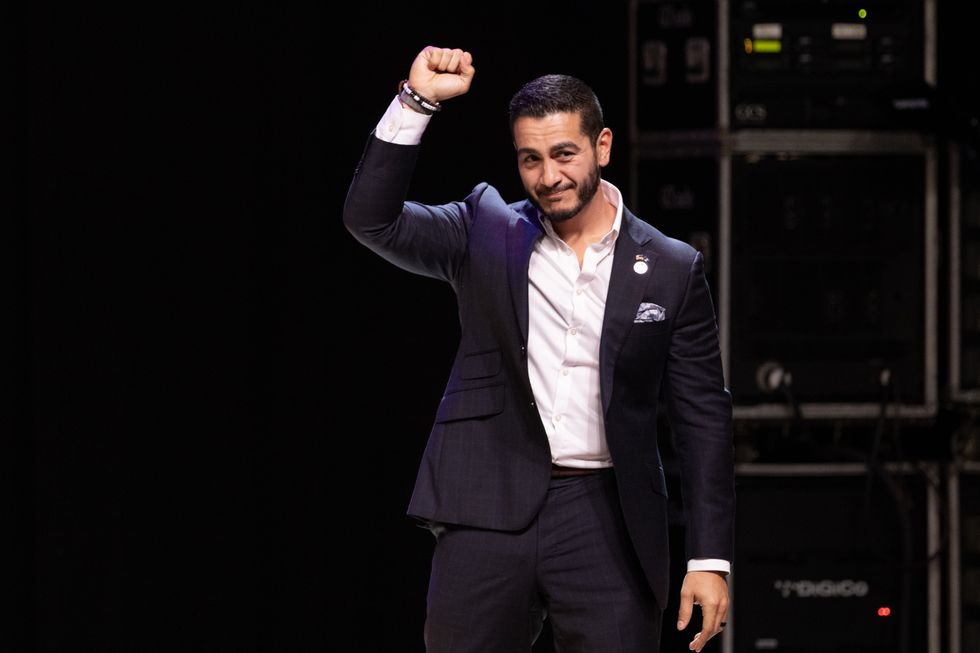 Abdul El -SayedGetty Images
 Suhas Subramanyamx
 Nirav Shethx
 Amish Shahx
 Pia Dandiyax