The United States on Thursday (15) voiced alarm over the targeting of religious minorities in both India and Pakistan, warning against a search for internal scapegoats during the coronavirus pandemic.
In a rare statement of US concern over India, Sam Brownback, the US ambassador-at-large for international religious freedom, pointed to both physical and online attacks against Muslims.
“In India, we’ve seen reports of unfortunate COVID-related rhetoric and harassment, particularly against the Muslim community, exacerbated by fake news reports — misinformation — being shared via social media,” he told reporters.
He did not blame the government, saying he was “encouraged” by public statements, including a call by prime minister Narendra Modi for unity.
Fact-checkers by AFP have debunked hundreds of social media posts in India that targeted Muslims, including dubious videos that showed members of the minority licking fruit for sale.
Hundreds of thousands of online posts have used the hashtag #CoronaJihad, some of which have been shared by members of Modi’s Bharatiya Janata Party.
The US Commission on International Religious Freedom, which advises but does not set government policy, last month said that India should be put on a blacklist due to its “dramatic” downturn in religious freedom under Modi.
New Delhi sharply rejected the criticism and it is highly unlikely that the State Department would act against India, an increasingly close ally of the United States.
Brownback also voiced concern about India’s historic rival Pakistan, whose new commission on religious minorities does not include the Ahmadi sect, which has faced years of deadly violence.
“I really think they missed an opportunity by pulling off the Ahmadi Muslim that was nominated to be on it,” Brownback said.
“I think their wilting to the public pressure really sends a bad signal,” he said.
Referring to the pandemic, Brownback said: “People are tense anyway, and then they look for a scapegoat, and then unfortunately you get somebody that gives them one and you’re off at the races.”
Pakistan legally declares Ahmadis to be non-Muslims over their belief in a prophet after Mohammed, a departure from orthodox Islam.



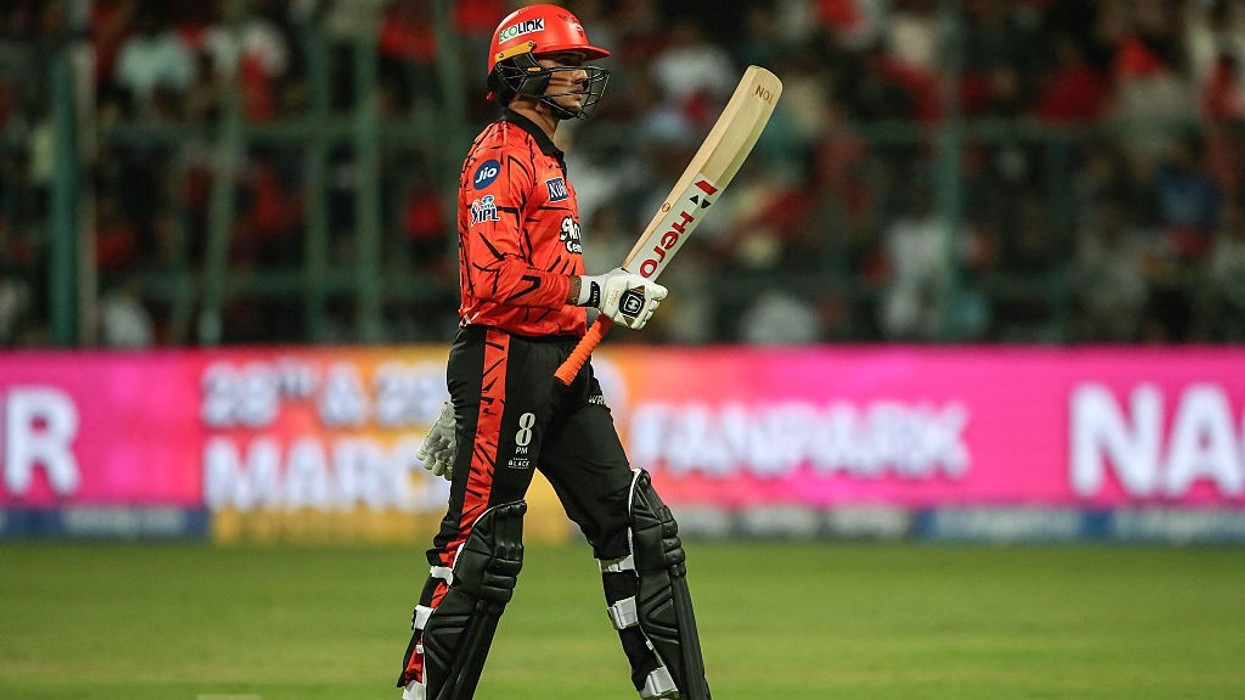





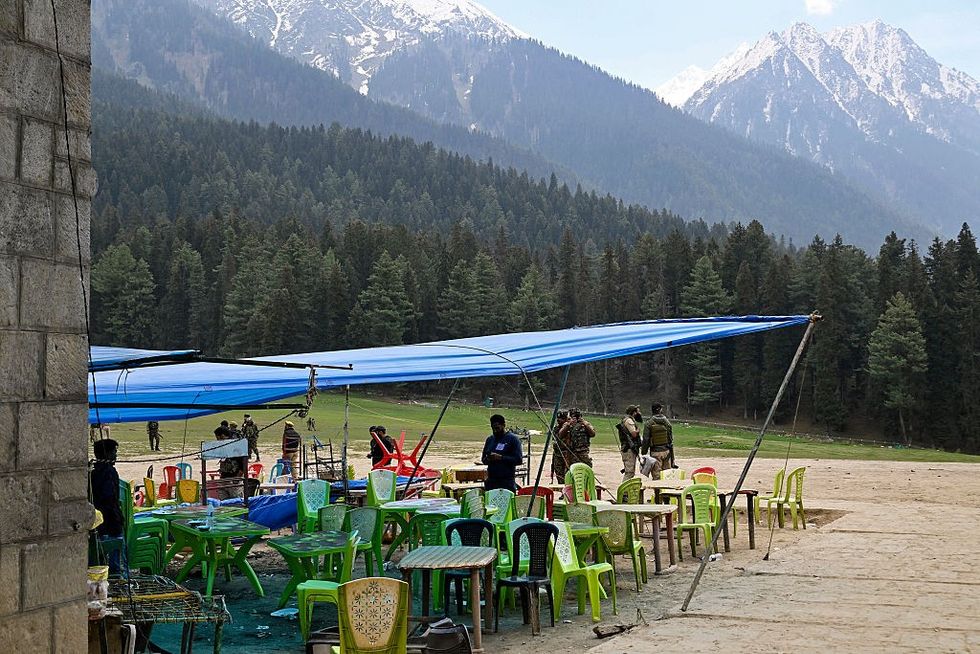 Security personnel inspect the site in the aftermath of an attack as food stall chairs lie empty in Pahalgam, about 90 kilometres (55 miles) from Srinagar on April 23, 2025. Indian security forces in Kashmir carried out a major manhunt on April 23, a day after gunmen opened fire on tourists killing 26 people in the region's deadliest attack on civilians since 2000. Getty Images
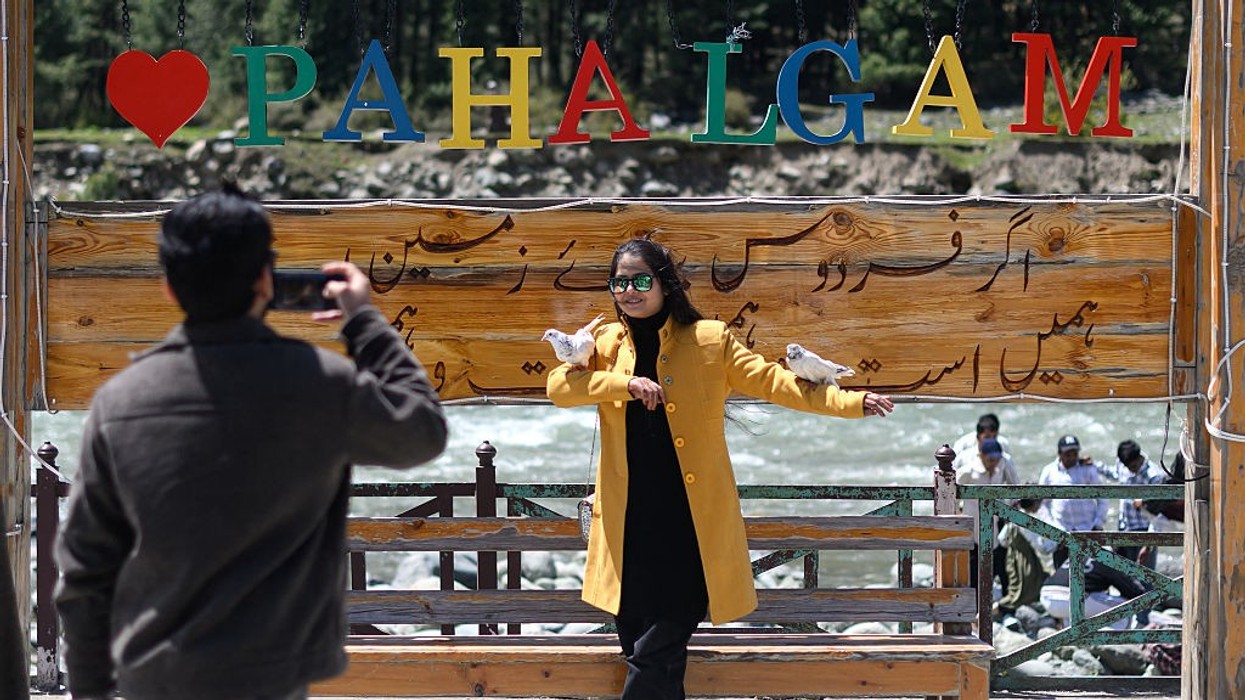
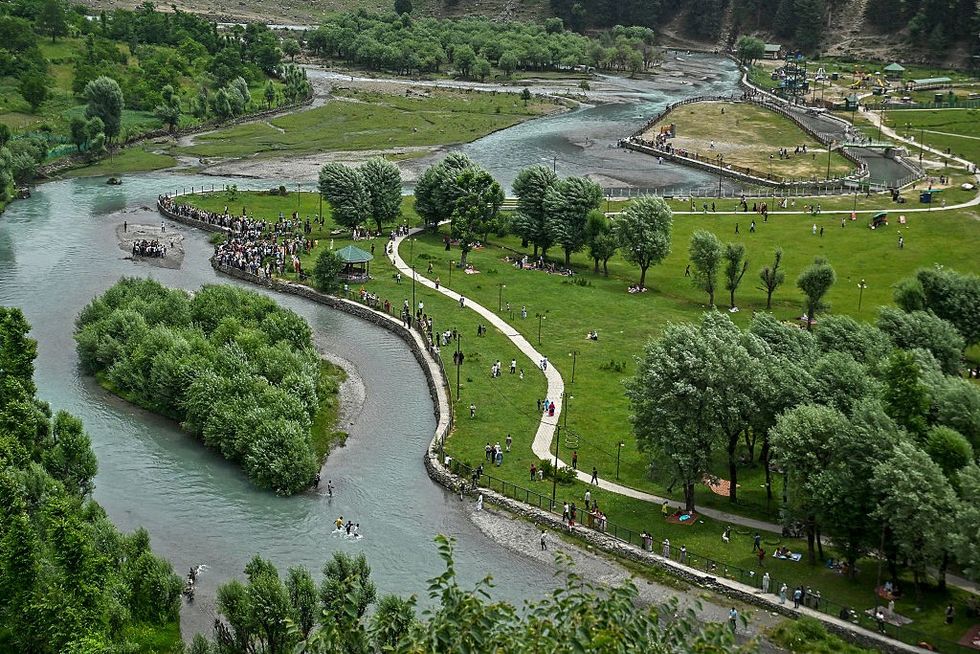 Tourists visit Betaab Valley in Pahalgam, about 112 km south of Srinagar on June 26, 2025.Getty Images
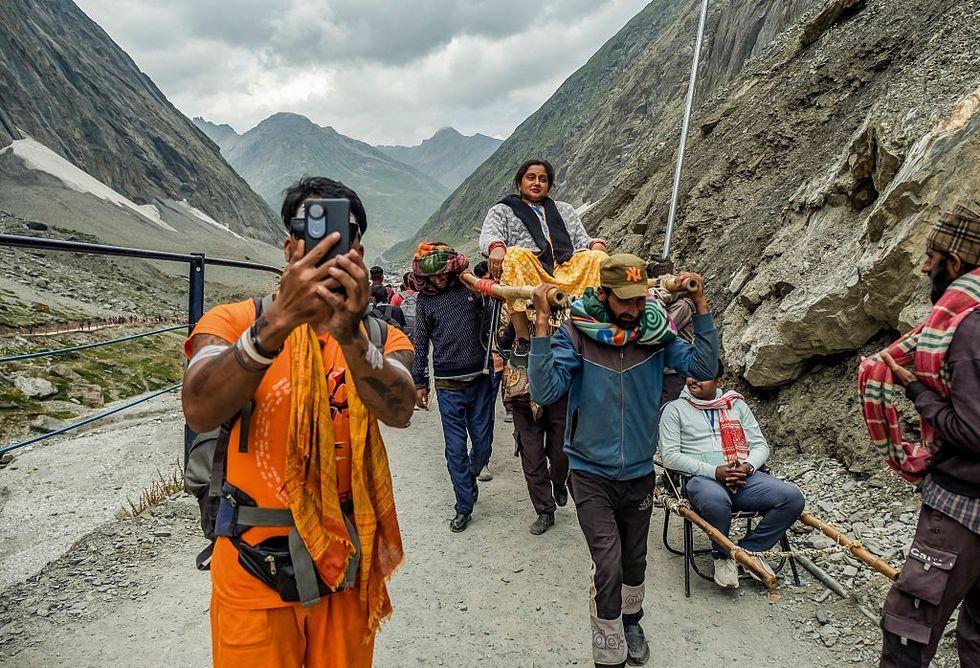 Pilgrims gather at the Baltal Base Camp near Domel, en route to the sacred Amarnath cave in Srinagar, Jammu and Kashmir, India, on July 29, 2025. The annual Amarnath Yatra, which began on July 3, proceeds under heightened security following a deadly terror attack in Pahalgam that claimed the lives of 25 tourists and a local pony handler. Security forces have been deployed in large numbers across the pilgrimage route, with checkpoints, surveillance, and restrictions in place to safeguard the thousands of devotees undertaking the arduous journey. The Amarnath Yatra is one of the most important Hindu pilgrimages, drawing worshippers from across India to the high-altitude Himalayan shrine dedicated to Lord Shiva. Despite the threat of violence and challenging terrain, pilgrims continue their spiritual trek, determined to complete the sacred journey under the shadow of grief and resilience.Getty Images