
Highlights:
SOME fashion pieces get noticed because they are beautiful. Then there are some that make people stop and ask, “Wait, have we seen this somewhere before?”
Fendi’s latest Baguette falls somewhere in the second category.
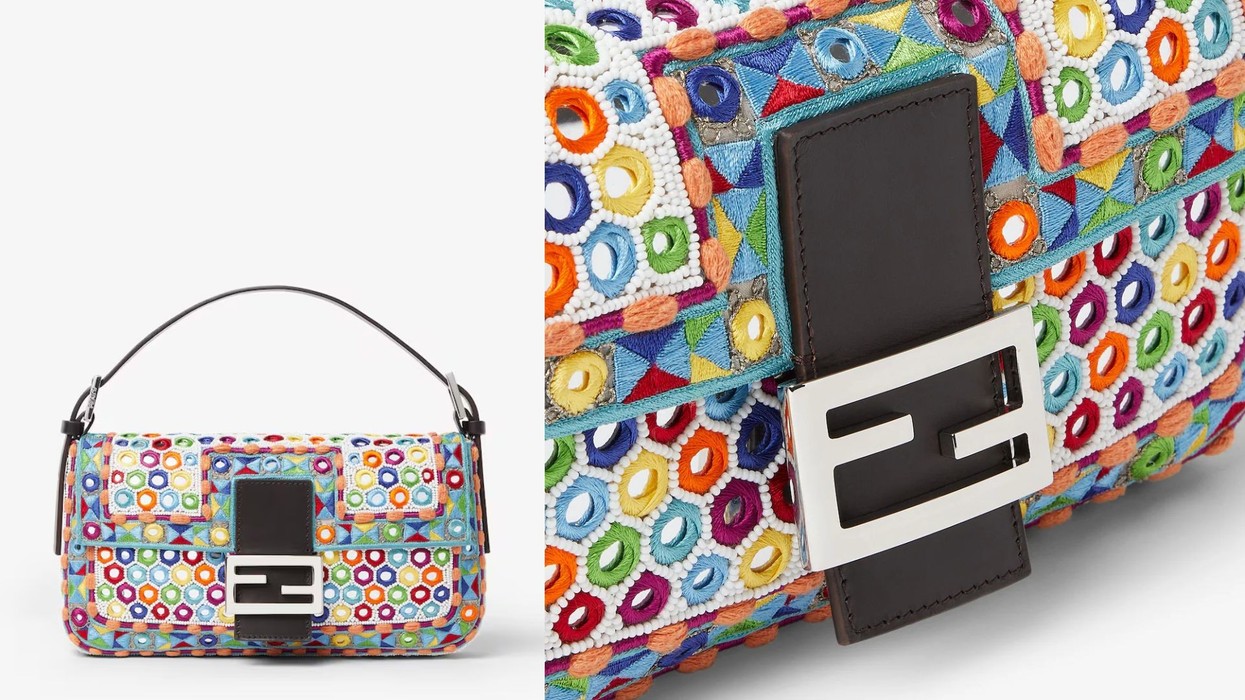
The handbag, priced at around $10,000, has become a talking point online, particularly in India. With its bright colors, embroidery, beads and small mirrors, the design reminded many social media users of bags and accessories commonly seen during Navratri celebrations.
For many, it was almost impossible not to make the comparison.
However, Fendi has not officially called the accessory a “Navratri bag.” That name came from social media and public reaction. The luxury house officially lists it as the Multicolor Re-Edition bag with embroidery and mirrors, also known as the Baguette 26424.
And this is where the story gets a little more interesting.
The bag is part of Fendi’s Fall/Winter 2026 collection. But technically, it is not an entirely new design. It is a remake, or re-edition, of a vintage Fendi Baguette from 1995.
The current version takes that earlier design and gives it a much more elaborate surface, filled with colorful embroidery, beads and mirrors.
According to details shared about the product, the craftsmanship involved is extensive. Fendi highlighted the use of 39,500 beads and 475 mirrors, with the embroidery taking more than 138 hours.
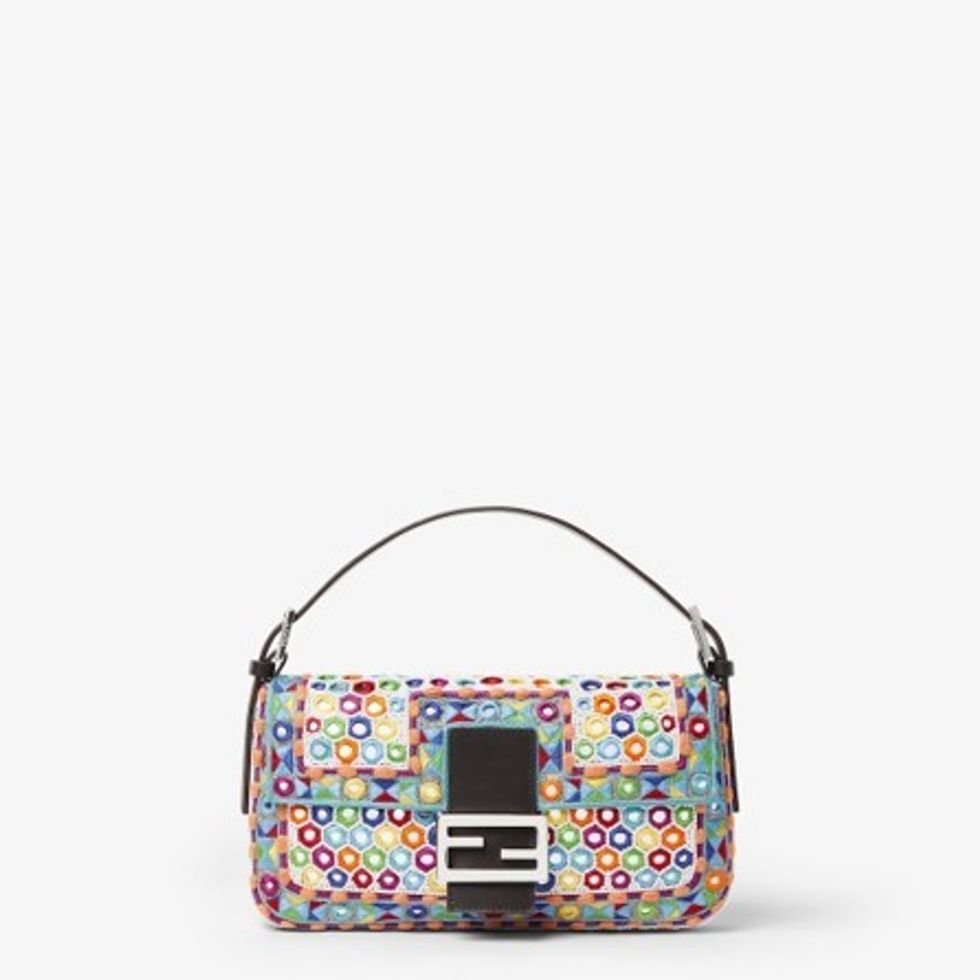 The Fendi bag Fendi.com
That is a lot of work for one handbag. And yet, when pictures of the bag started spreading online, most people were not discussing the number of hours that went into making it. They were talking about something much more familiar: the mirror work.
For Indians, especially those who have grown up seeing Navratri fashion, the combination looks familiar. Bright colors, embroidery, sequins and mirrors have been used across Indian clothing and accessories for generations. During Navratri, especially in Gujarat and parts of western India, mirror-work bags and embroidered outfits are widely seen.
So a luxury handbag with a $10,000 price tag using a similar decorative vocabulary prompted questions. The controversy gained more attention after business leaders including Kiran Mazumdar-Shaw and Harsh Goenka shared images of the bag.
Their reactions focused on its resemblance to traditional Indian craftsmanship. Mazumdar-Shaw described it as a case of “cultural appropriation,” while Goenka questioned why Indian artisans were not being given sufficient credit for the work. The criticism spread quickly.
But there was another side to the story, and it came from Fendi itself.
In April, Fendi shared a video showing the craftsmanship behind the design. The brand spoke about sequins, beads and mirrors being transformed into works of art through the skilled hands of Indian artisans from a Mumbai-based textile and embroidery house. So the Indian connection was not completely absent, as some initial criticism suggested.
Fendi had, in fact, shown where part of the craftsmanship came from. Still, the discussion does not end there.
Fashion has always borrowed from different cultures, with traditional techniques traveling across countries and eventually finding their way into international luxury collections. The question is not simply whether a fashion house can use embroidery or mirror work, but who gets seen and remembered when that craft moves from an artisan’s workshop to a luxury label.
The craft remains the same, but its presentation and value can change dramatically.
And perhaps that is why this particular handbag struck such a nerve. For Fendi, it is a re-edition of a vintage Baguette made through painstaking craftsmanship; for social media, it became the “Navratri bag.”
For the artisans involved, it is another example of traditional craftsmanship entering a global luxury market. The controversy will subside, but the larger conversation about craft, recognition and credit is likely to remain.












 Outlook
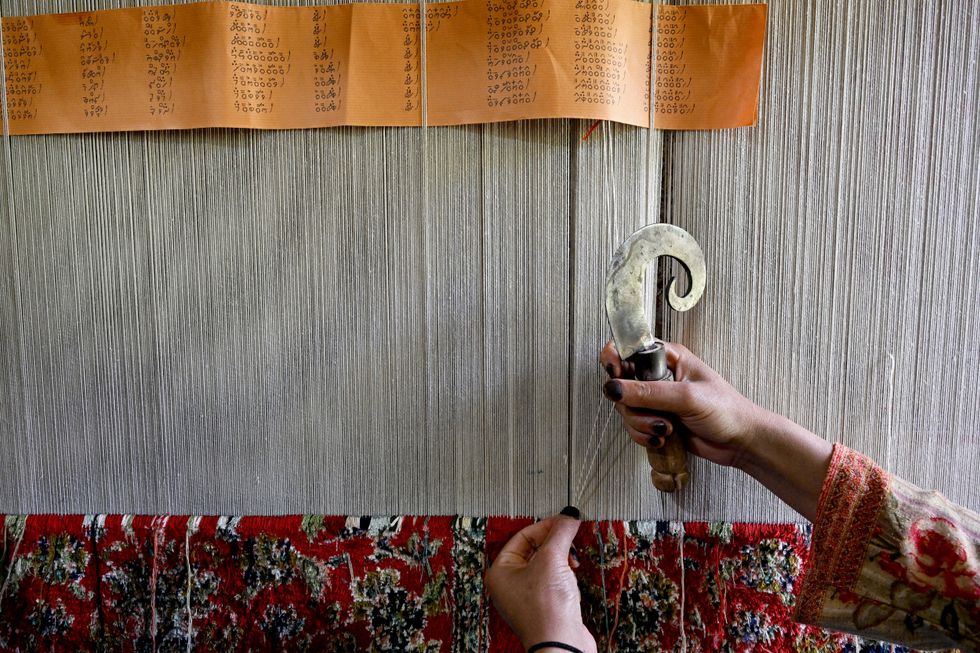 A Kashmiri craftswoman weaves a silk carpet at a factory in SrinagarTauseef Mustafa/AFP via Getty Images
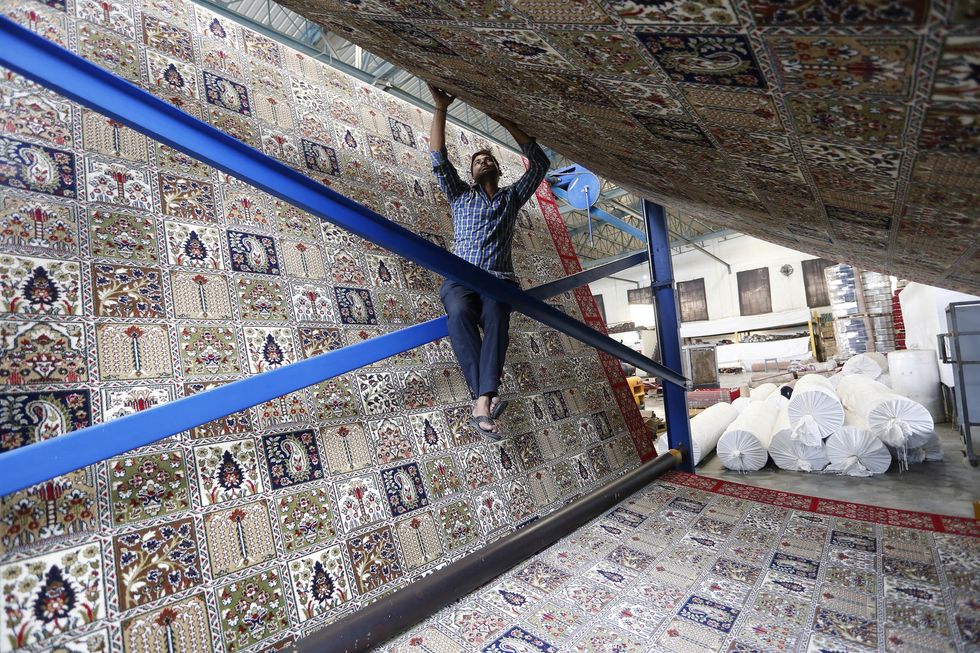 A worker weaves a carpet at a factory on the outskirts of JammuAlok pathania/AFP via Getty Images
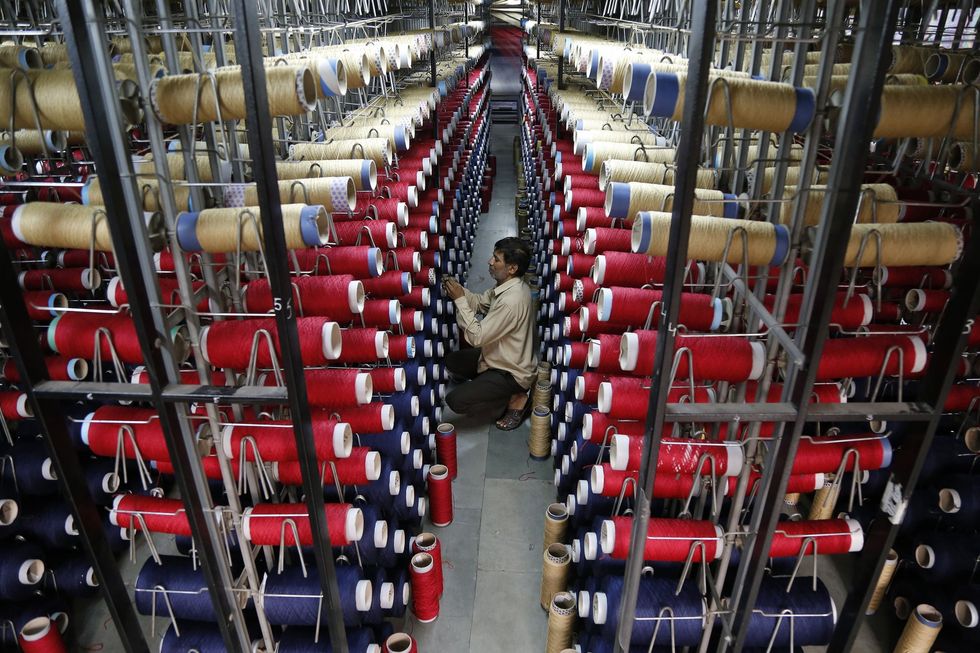 A worker checks thread reels at a carpet factory in JammuAlok pathania/AFP via Getty Images