
Highlights:
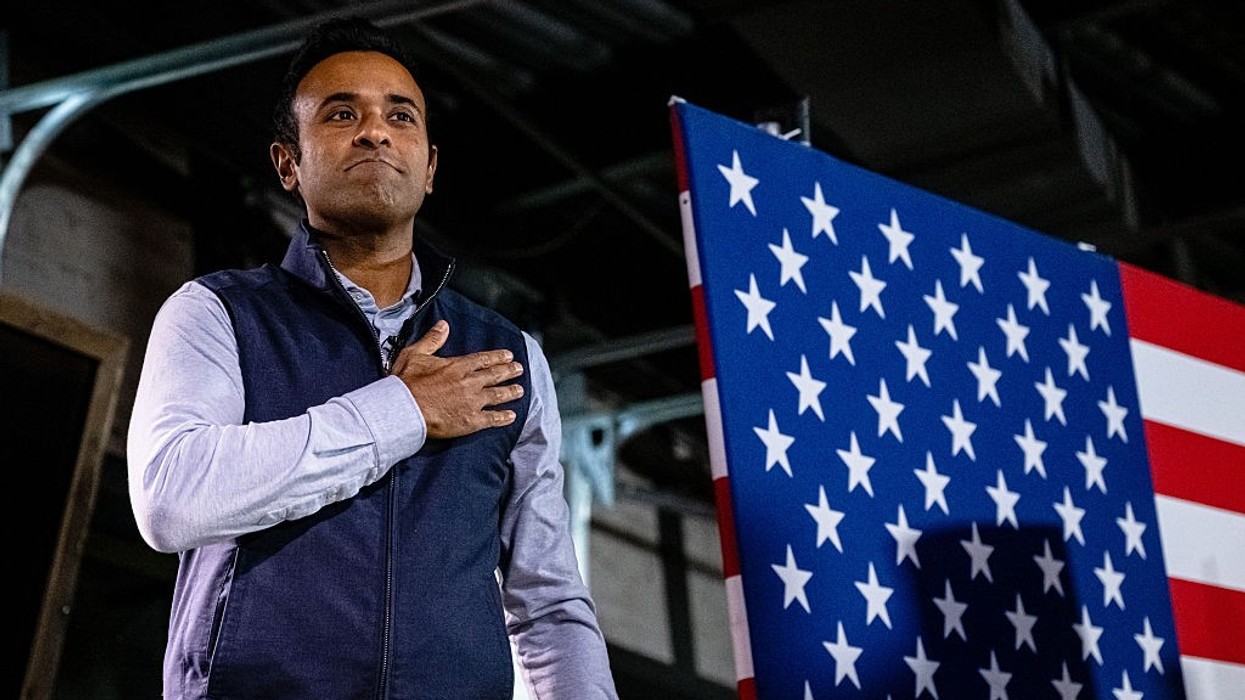
Republican candidate and Indian American, Vivek Ramaswamy had several advantages going into the Ohio governor's race: US president Donald Trump's endorsement, the backing of vice president JD Vance, considerable campaign spending and national political recognition. Yet none was enough to defeat Democrat Amy Acton in a state that has voted Republican in the last three presidential elections.
Acton's victory makes her the first woman elected governor of Ohio and the first Democrat to win the office in 20 years. Her win is also one of the significant developments in the 2026 US midterm elections, raising questions about whether Republicans can rely on Trump's political influence to maintain their hold on traditionally conservative states.
So why did a candidate so closely associated with the president lose? The answer appears to lie in a combination of economic dissatisfaction, Ramaswamy's outsider image, a deeply personal campaign controversy and the limits of relying on national endorsements in a state-level election.
For Ramaswamy, the defeat is a significant political setback. For Democrats, it offers a possible indication that even traditionally Republican states can become competitive when voters are more concerned about household finances than party loyalty.
1. Trump's endorsement could not overcome economic frustration
Ramaswamy entered the race with Trump's support and the backing of Vance, who previously represented Ohio in the Senate. He presented himself as a political outsider who would advance the president's America First agenda.
But the political environment was not as favorable as those endorsements might have suggested.
The economy and the cost of living were central themes of the campaign. Voters were expressing frustration over financial pressures, including rising fuel prices and the effects of tariffs. Acton sought to make affordability the defining issue, portraying Ramaswamy as a wealthy candidate disconnected from the everyday concerns of Ohio households.
This was a crucial distinction. A presidential endorsement can energize a party's supporters, but it does not automatically persuade voters worried about paying bills, accessing healthcare or affording basic necessities.
Ramaswamy's defeat suggests that national political popularity and local economic concerns do not always move together. It also presents a challenge for Republicans campaigning in the 2026 midterms, when voters are using their ballots to express their views on the administration's economic record.
2. The outsider image became a disadvantage
Ramaswamy's political identity was built partly around being an outsider. The billionaire biotech entrepreneur had previously challenged Trump for the Republican presidential nomination in 2024 before turning his attention to Ohio.
Although he was born in Cincinnati, his national political profile and wealth became vulnerabilities during the governor's race.
Acton, meanwhile, had a more direct connection to state government. A physician and former director of the Ohio Department of Health, she had worked alongside Republican Governor Mike DeWine during the early stages of the COVID-19 pandemic.
She had never held elected office, but her public health experience gave her an established profile among Ohio voters.
Her campaign also drew on her personal history, including periods of childhood homelessness, to connect with voters facing economic difficulties.
The contrast was effective: Ramaswamy offered a national political vision, while Acton focused on issues that voters encounter in their everyday lives.
Being an outsider can be an advantage when voters want to challenge the establishment. But it becomes harder to sell when the campaign is about practical problems that require familiarity with local communities and state institutions.
3. The personal attack ad became a major campaign controversy
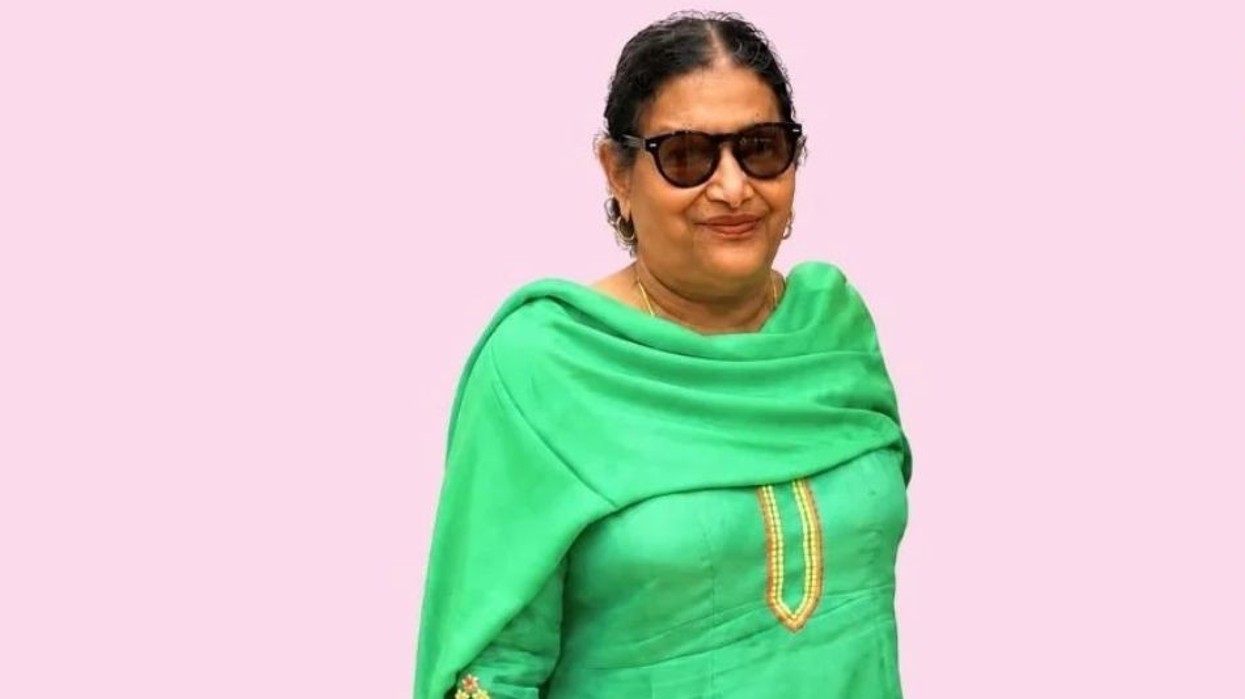
One of the most damaging episodes of the campaign involved an advertisement featuring Acton's estranged mother, Donna Arthur.
In the advertisement, Arthur accused her daughter of lying throughout her life and urged voters not to elect her. However, the advertisement did not mention that Arthur's husband had been charged with raping Acton when she was a child.
Acton had previously spoken about childhood abuse and homelessness. Her stepfather was indicted over sexual abuse allegations involving her, and her mother subsequently lost custody of her children.
The advertisement brought deeply painful family circumstances into the political campaign and triggered criticism from both sides of the Republican Party.
Former South Carolina Governor Nikki Haley criticized the advertisement, while DeWine described it as deeply troubling, even as he continued to endorse Ramaswamy.
Trump defended the advertisement as powerful and encouraged Ramaswamy to keep it running. Vance also criticized Republicans who objected to it, saying he was disgusted by the criticism from members of his own party.
Ramaswamy's campaign reportedly committed $4 million to airing the advertisement across Ohio. It was eventually pulled about a week before Election Day.
The controversy became a defining feature of the final weeks of the race. The Columbus Dispatch editorial board endorsed Acton after describing the advertisement as revolting and unsettling.
It is impossible to establish exactly how many votes the advertisement cost Ramaswamy. However, it gave Acton an opportunity to present herself as a candidate focused on public service while forcing her opponent to defend a highly personal campaign tactic.
The episode also exposed divisions within the Republican Party, particularly between those who supported Trump's aggressive political approach and those concerned about the limits of campaign attacks.
4. Money and endorsements could not guarantee victory
Ramaswamy and his allies spent more than $100 million on the campaign, substantially outspending Acton.
But money could not guarantee that voters would connect with his message.
The Republican primary had also revealed divisions within the party. Challenger Casey Putsch attracted nearly 18% of the Republican primary vote and later said he planned to vote for Acton.
That was an indication that Ramaswamy's support within the Republican electorate was not entirely consolidated.
His campaign had the resources, endorsements and national visibility, but those advantages did not necessarily translate into broader voter appeal.
The lesson is particularly important for candidates in the 2026 midterms who rely heavily on national political figures. Endorsements can help secure attention and mobilize supporters, but they cannot replace a convincing local agenda.
5. What Amy Acton offered that Ramaswamy did not
Acton's campaign focused on affordability, healthcare and public education.
Her background as a physician and former public health director helped her establish credibility on healthcare, while her experience working with DeWine gave her familiarity with state government.
Her public health record during the pandemic was also a target for conservative criticism. Yet she used that experience to make the case that she understood the challenges facing Ohio's healthcare system.
Her campaign's emphasis on childhood hardship and economic insecurity further reinforced her message that government should help improve people's lives.
In her victory speech, Acton said, "the healing begins today."
She also promised to work with people who had voted against her, saying she would work with anyone and everyone to make life better for Ohioans.
Ramaswamy, in his concession speech, said he was rooting for Ohio and Acton.
What does Ramaswamy's defeat mean for the 2026 midterms?
The result does not mean Ohio has permanently shifted away from Republicans. The state has voted for Trump in the last three presidential elections, including by 11 percentage points in 2024.
However, Acton's victory is a warning that Republican candidates cannot assume Trump's popularity, financial resources and national recognition will automatically deliver victories in state elections.
The same lesson applies to campaign strategy. Personal attacks can generate attention, but they can also alienate voters when they appear to cross a line. A candidate's wealth and national profile may attract supporters, but they can become liabilities if voters see the candidate as disconnected from their concerns.
There is also a warning for Republicans about relying too heavily on the America First message without addressing local economic anxieties.
Acton's victory, alongside Democrat Sherrod Brown's return to the Senate after defeating Republican Jon Husted, gives Democrats a significant breakthrough in Ohio during the 2026 midterm elections.
For Ramaswamy, the defeat is a reminder that political visibility is not the same as voter trust. For Republicans nationally, it raises a bigger question: if Trump's endorsement and campaign spending were not enough to secure Ohio, what will it take to persuade voters in other competitive races?