THE Indian Space Research Organisation (Isro) on Wednesday (14) successfully conducted the third long-duration hot test of the liquid-propellant 'Vikas' engine for the 'Gaganyaan' programme, prompting a warm reaction from Space X founder and chief executive officer Elon Musk.
The space agency said in a tweet, “#ISRO on July 14, 2021 has successfully conducted the hot test of the liquid propellant Vikas Engine for the core L110 liquid stage of the human rated GSLV MkIII vehicle, as part of engine qualification requirements for the #Gaganyaan Programme.” Musk responded to the tweet, saying “Congratulations!” and followed it with an emoji of the Indian Tricolour.
The engine was fired for a duration of 240 seconds at the engine test facility of Isro Population Control Complex (IPRC) in Mahendragiri in Tirunelveli district of the South Indian state of Tamil Nadu, the agency said in a statement.
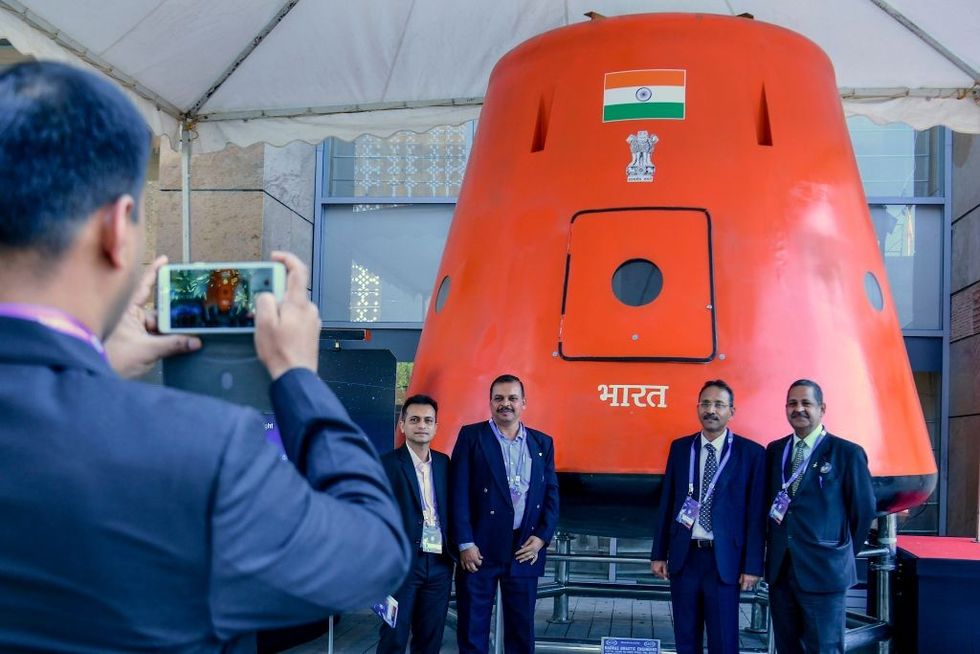 Visitors click photographs in front of a model of 'Gaganyaan' orbital module developed by Indian Space Research Organisation in the Indian city of Bangalore on January 23, 2020. (Photo by MANJUNATH KIRAN/AFP via Getty Images)
It also said the performance of the engine met the test objectives and the engine parameters closely matched the predictions while the test lasted.
The objective of 'Gaganyaan' programme is to demonstrate the capability to send humans to low-earth orbit onboard an Indian launch vehicle as well as bringing them back to earth.
In February, India’s minister of state (independent charge) for space Jitendra Singh had said that the first unmanned mission is planned in December 2021 while the second one in 2022-23 followed by the human spaceflight.
It may be added here that four Indian astronauts have undergone generic space flight training in Russia as part of the 'Gaganyaan' programme.









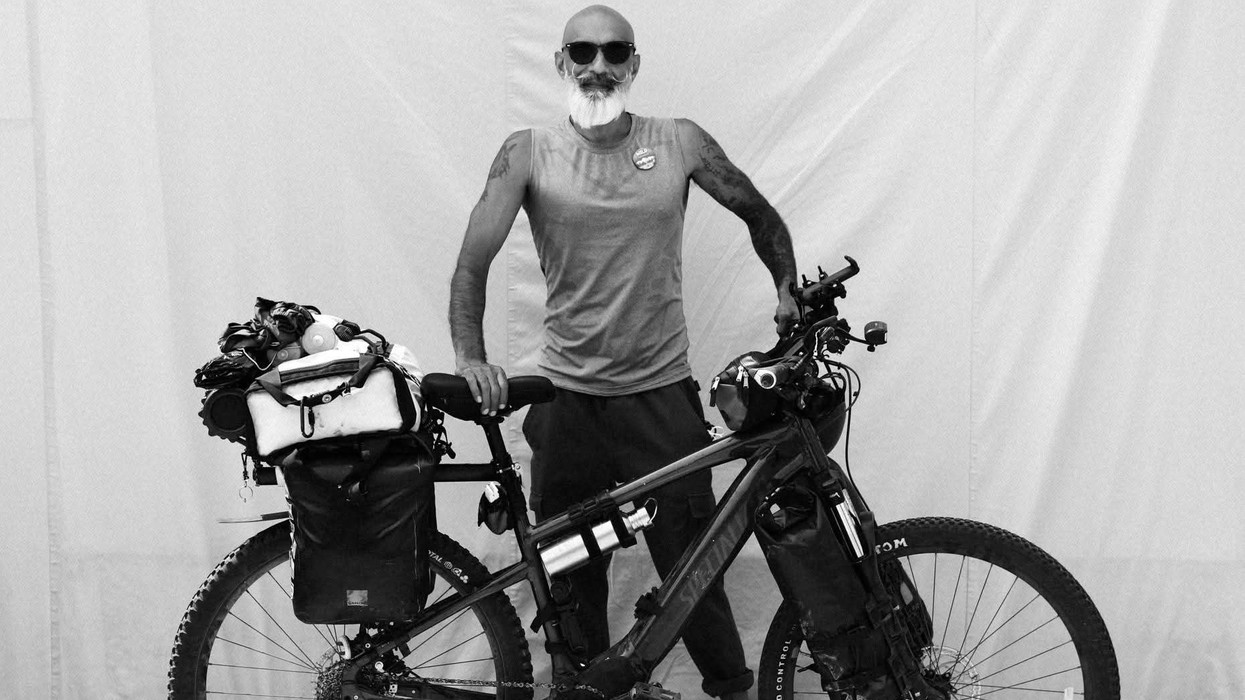
 Chazzy Patel with his electric bike and the memories captured in frames.Google Drive
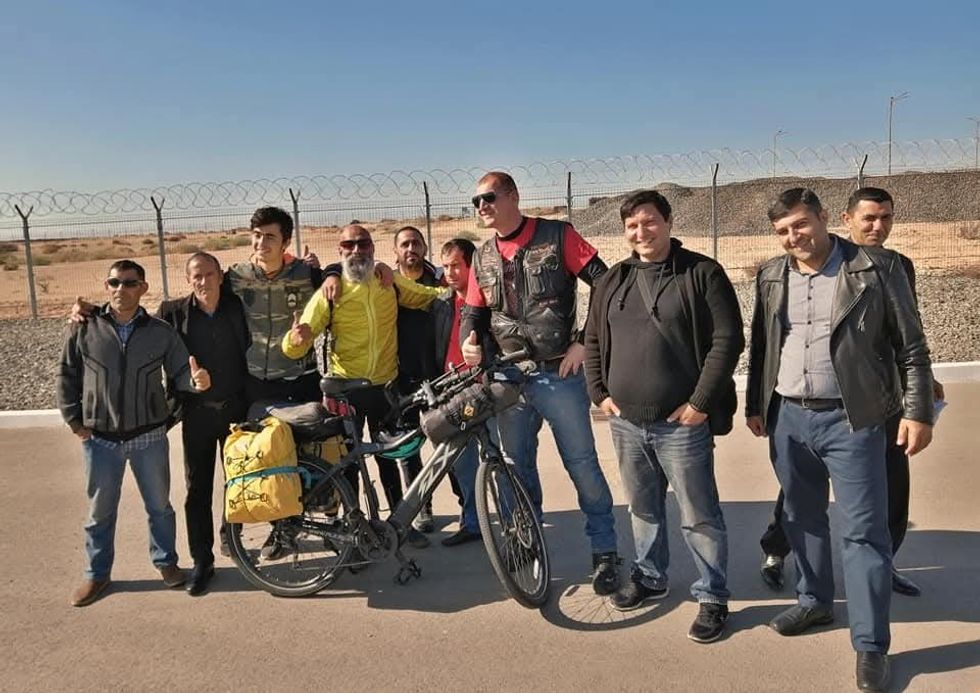 Chazzy Patel with his friends he made while circumnavigating on electric bike.Google Drive
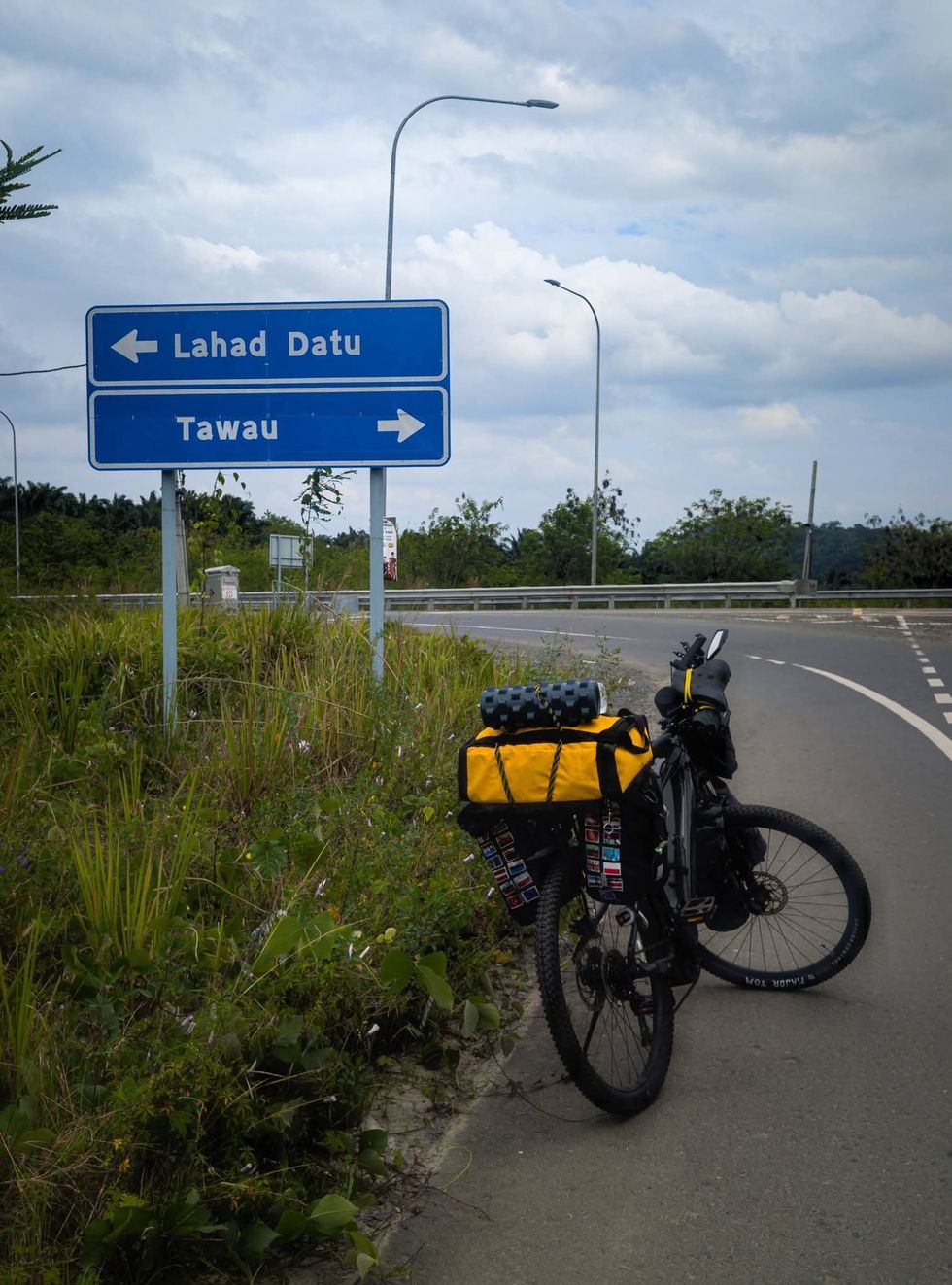 Chazzy Patel's setup in ThailandGoogle Drive