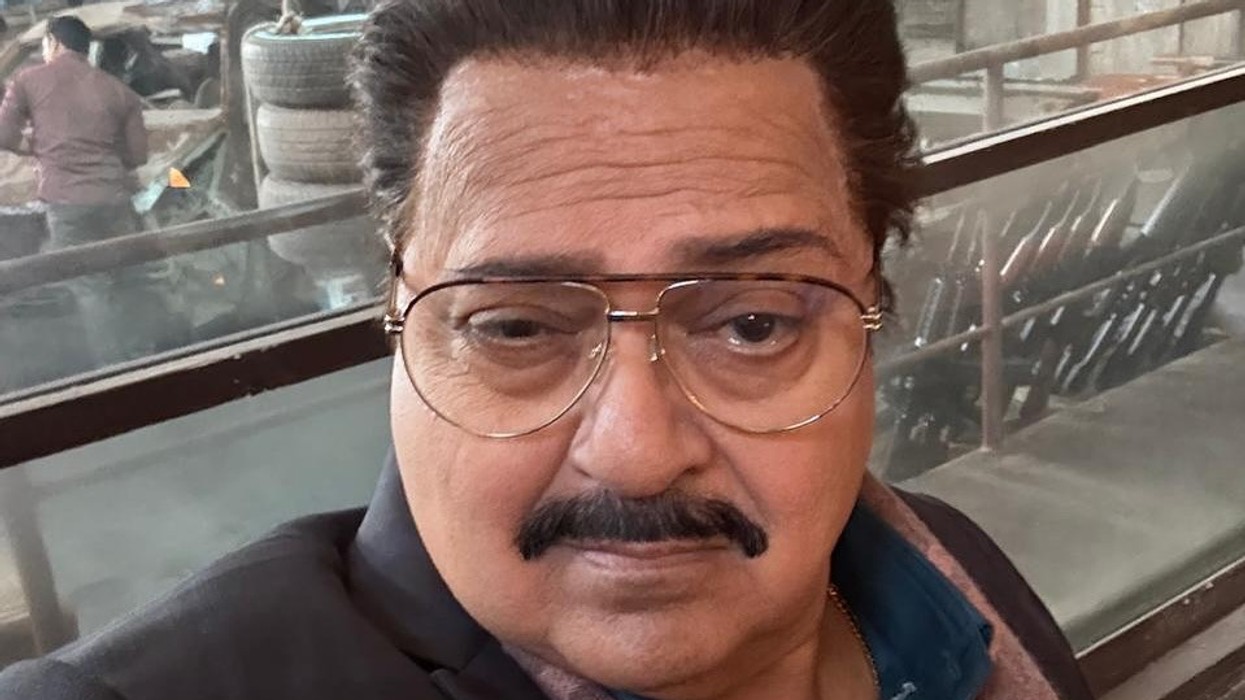

- Rakesh Bedi’s late-career explosion has turned him into an unlikely box-office magnet.
- Veteran actors are now driving narratives, not just supporting them.
- OTT platforms helped shift audience preference toward performance-driven storytelling.
- Many of today’s biggest senior stars struggled for recognition early in their careers.
- Multi-generational casting is reshaping mainstream Bollywood dynamics.
Every fan is appreciating Rakesh Bedi's character in Dhurandhar, both parts of Jameel Jamali. While his role in the climax is getting popular, giving him more fame than the protagonist Ranveer Singh. The same fame was shared by Akshaye Khanna after his character in Dhurandhar (first part) and his popular dance on Fliparachi's song.
Not just this, but also Bobby Deol, who happened to have tried all his star luck to launch his career in the early years, is now getting fame after his character in Animal, and his dance with a whiskey glass on his head, was more popular than the protagonist Ranbir Kapoor.
For decades, these faces have been the sidekicks or struggling people. That perception has now been completely upended. Even R Madhavan, who was popular as a sweet 'Maddy,' crush of all the ladies, is giving an applaudable acting series, after many years of his performance in 3 Idiots.
This results in only one thing: Are senior actors taking over the stage back from the young actors?
From supporting roles to scene stealers
Bedi’s story isn’t an isolated one. It reflects a broader transformation in Indian entertainment—a shift from image-driven casting to performance-driven storytelling.
Actors like Manoj Bajpayee, Sanjay Mishra, and Nawazuddin Siddiqui spent years on the fringes of mainstream success. Despite immense talent, they were rarely the first choice for big-budget films in their early careers.
- Manoj Bajpayee struggled through years of rejection before breaking through with intense, layered performances.
- Sanjay Mishra was often typecast in comic roles before proving his dramatic depth in later films.
- Nawazuddin Siddiqui worked in minor roles for years before becoming one of the most respected actors in the country.
Today, these names are synonymous with credibility. Their presence alone signals quality, a powerful shift from the earlier era where box office success depended heavily on youth-centric star power.
The OTT effect: Changing the rules of stardom
The rise of streaming platforms has played a decisive role in this transformation. Shows like The Family Man and Paatal Lok didn’t just entertain, they redefined what audiences expect from actors.
OTT platforms removed the constraints of traditional casting. Suddenly, actors didn’t need to fit a “hero mold.” They needed to be believable.
This environment allowed performers like Jaideep Ahlawat and Kay Kay Menon to thrive. Their nuanced performances, once considered too subtle for mass audiences, are now celebrated as the gold standard.
In this new ecosystem, experience isn’t a limitation; it’s an advantage.
Rakesh Bedi: 'Baccha Hai Tu Mera' energy
With the massive success of the Dhurandhar franchise and its sequel Dhurandhar: The Revenge, Bedi has experienced something most actors never do: a full-blown career rebirth in his seventies. His portrayal of the calculating politician Jameel Jamali didn’t just earn applause; it ignited pop culture. Memes, reels, and viral dialogue clips turned him into a Gen Z favorite almost overnight.
Ironically, this is the first time Bedi is being widely described as a “star.” After nearly five decades in the industry, the spotlight has finally shifted toward him, not as a supporting act, but as a central force driving audience engagement. It almost seems like he is telling the young actos, 'Baccha Hai Tu Mera.'
Vijay Sethupathi: The reluctant superstar
Never fitting the conventional image of a leading man, Sethupathi built his career on unconventional choices. Today, his understated charisma and fearless experimentation make him one of the most sought-after actors across industries.
Bobby Deol: Reinvention Through Darkness
Once seen as a fading romantic hero, Bobby Deol reinvented himself as a brooding antagonist. His transformation post-Animal has made him a dominant screen presence again. He was initially taken as a hero, a lover boy, but it seems like he is doing pretty well by doing justice to the negative characters.
The way he carries the aura of an antagonist, be it Animal or the OTT series Ashram
Akshaye Khanna: The quiet powerhouse
Known for his selective approach, Khanna has evolved into one of the most compelling performers in contemporary cinema, often overshadowing lead actors with minimal screen time.
Khanna is in the middle of a powerful career resurgence, evolving from a critically respected performer into a major box-office draw. His roles in Chhaava as Aurangzeb and Dhurandhar as Rehman Dakait have redefined his image, blending intensity with mass appeal.
The latter sparked viral trends, earned him a Best Supporting Actor win, and led to his return in Dhurandhar: The Revenge due to fan demand. With projects like Border 2, Mahakali, and Ikka, Khanna is now widely seen as Bollywood’s ultimate scene-stealer.
Pankaj Tripathi: The everyman icon
Pankaj Tripathi’s rise from small roles to leading major projects exemplifies the shift toward relatability and authenticity in storytelling.
Tripathi has emerged as a defining force in modern Indian storytelling, evolving from a dependable supporting actor into a leading star across films and streaming platforms.
His recent work includes Main Atal Hoon, Murder Mubarak, and the blockbuster Stree 2, while 2026’s Mirzapur: The Movie marks the big-screen leap of his iconic Kaleen Bhaiya. A National Award winner for Mimi, Tripathi is celebrated for his subtle, “invisible” acting style, using restraint and authenticity to create deeply relatable, powerful characters that resonate across generations.
Gajraj Rao: The 'brown dad' ruling the cinema
After decades of working in supporting roles, Gajraj Rao became a household name with performances that resonated deeply with audiences.
Rao has evolved into the ultimate “everyman” star, transforming from a background presence to a leading force in content-driven cinema after Badhaai Ho. Between 2024 and 2026, he expanded into films like Maidaan and series such as Dabba Cartel, earning acclaim as an “OTT king.” Known for his subtle, deeply relatable performances, Rao redefines middle-class characters with humor and realism. His ability to balance emotional depth with effortless charm has made him one of the most dependable and quietly powerful actors shaping modern Indian storytelling today.
Why audiences are choosing experience over youth
The success of veteran actors points to a clear shift in audience psychology. Viewers are no longer drawn solely to youthful charm or conventional star power; they are actively seeking performances that feel real, layered, and earned. This evolution is reshaping what it means to be a “star” in modern Indian cinema.
Today’s audiences are more media-aware than ever. They can easily distinguish between surface-level acting and genuine craft. Veteran performers bring a lived-in authenticity to their roles, a sense of history and emotional truth that younger actors often haven’t yet developed. This depth makes their characters feel believable, not performed.
Storytelling has evolved
Modern scripts are far more complex than the traditional hero-versus-villain narratives of the past. Characters now exist in moral gray areas, requiring subtle emotional shifts and layered performances. Experienced actors are uniquely equipped to handle this complexity, making them indispensable to today’s storytelling.
Social media has unexpectedly amplified the reach of senior actors. A single dialogue or scene can explode into a viral moment, introducing veteran performers to younger audiences. Rakesh Bedi’s recent viral success is a prime example of how digital culture can transform a performance into a nationwide and even global phenomenon.
Audiences have grown increasingly tired of predictable, formula-driven films centered around glamour and repetition. There is a growing demand for stories that feel grounded and authentic. Veteran actors, with their ability to embody realism, are naturally becoming the preferred choice for filmmakers aiming to meet these expectations.
Multi-generational cinema: The new formula
The structure of mainstream films is also evolving. Instead of relying on a single star to carry a project, filmmakers are now building ensemble casts where veteran actors serve as the emotional and narrative anchors.
Films featuring legends like Dharmendra and Paresh Rawal are being marketed as much for their legacy as for their storylines. Younger actors are no longer positioned as the sole focus; instead, they often play off the experience and gravitas of their senior co-stars.
This multi-generational approach creates a richer cinematic experience. It allows for dynamic character interactions and deeper storytelling, where performance matters more than hierarchy or billing order.



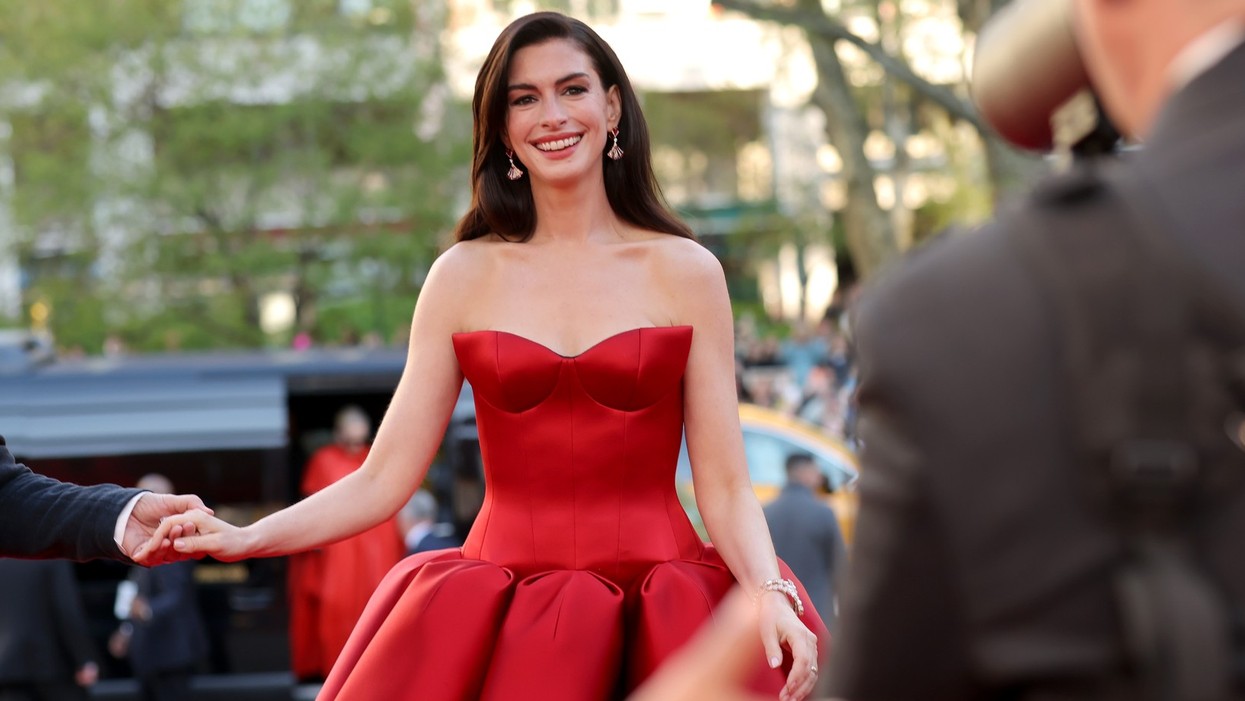
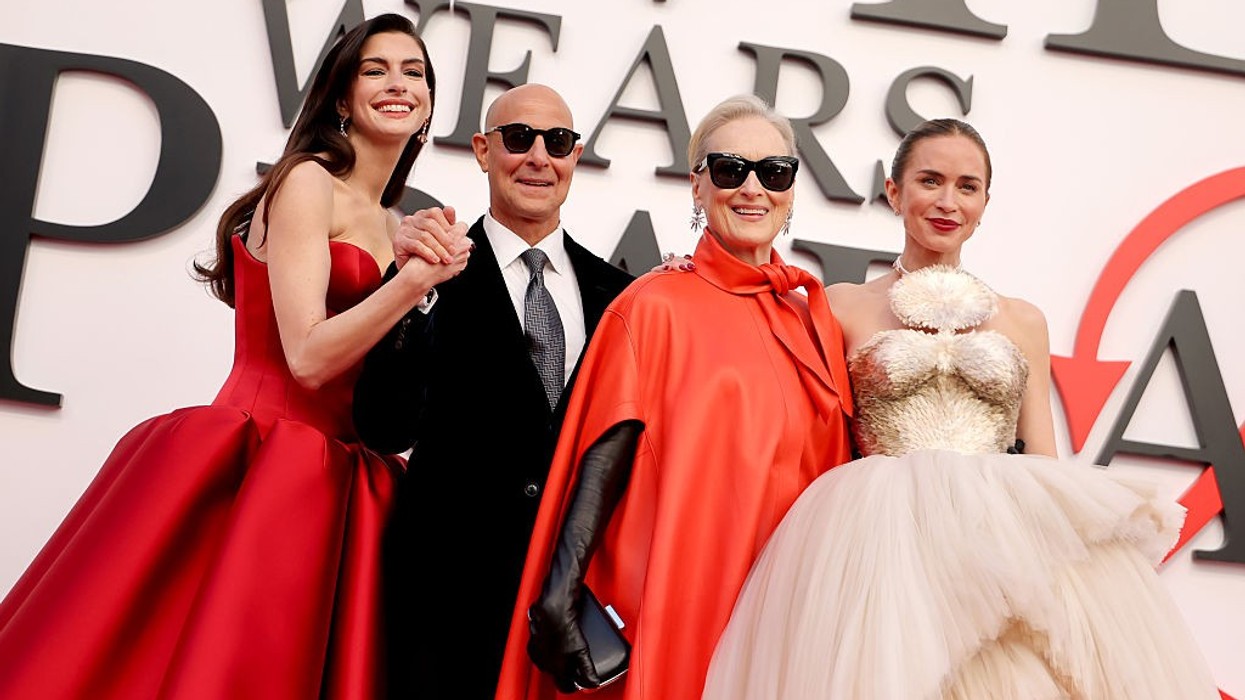
 Anne Hathaway attends the world premiere of The Devil Wears Prada 2 at Lincoln Center in New York, New York on April 20, 2026Getty Images
 Emily Blunt attends the world premiere of The Devil Wears Prada 2 at Lincoln Center in New York, New York on April 20, 2026. Getty Images