Law-keepers in India have said that they will prosecute a man who allegedly made an app that uploaded photos of over 80 women from the minority Muslim community for "sale" online last year.
The announcement came after Delhi's lieutenant governor VK Saxena gave permission to try the accused, Aumkareshwar Thakur, in court, the BBC reported.
The open source app -- Sulli Deals -- had been hosted on GitHub, a web platform, in July 2021.
Thakur, 25, was arrested in January this year but was granted bail two months later.
The arrest of Thakur, who has a degree in computer applications, came in Indore city in the central Indian state of Madhya Pradesh by a team of Delhi Police set up to probe serious crimes.
The police registered cases against the accused under various sections of the Indian Penal Code, the country's Information Technology Act, and section 196 of India's Criminal Procedure Code.
Section 196 deals with "offences committed against the state", rather than an individual, and is invoked generally against high-ranking government officials which requires permission from either the federal or state government.
Sulli Deals had taken pictures that are in the public domain and created profiles for Muslim women, calling them "deals of the day".
Along with Thakur, another 20-year-old man named Neeraj Bishnoi was also arrested. The latter had allegedly created the Bulli Bai app which had uploaded pictures of over 100 Muslim women and was hosted on GitHub.
While there was no actual sale in these cases, the plan was to humiliate Muslim women, many of whom have criticised an alleged rising tide of Hindu nationalism in India in times of prime minister Narendra Modi, something that his government and Bharatiya Janata Party deny.





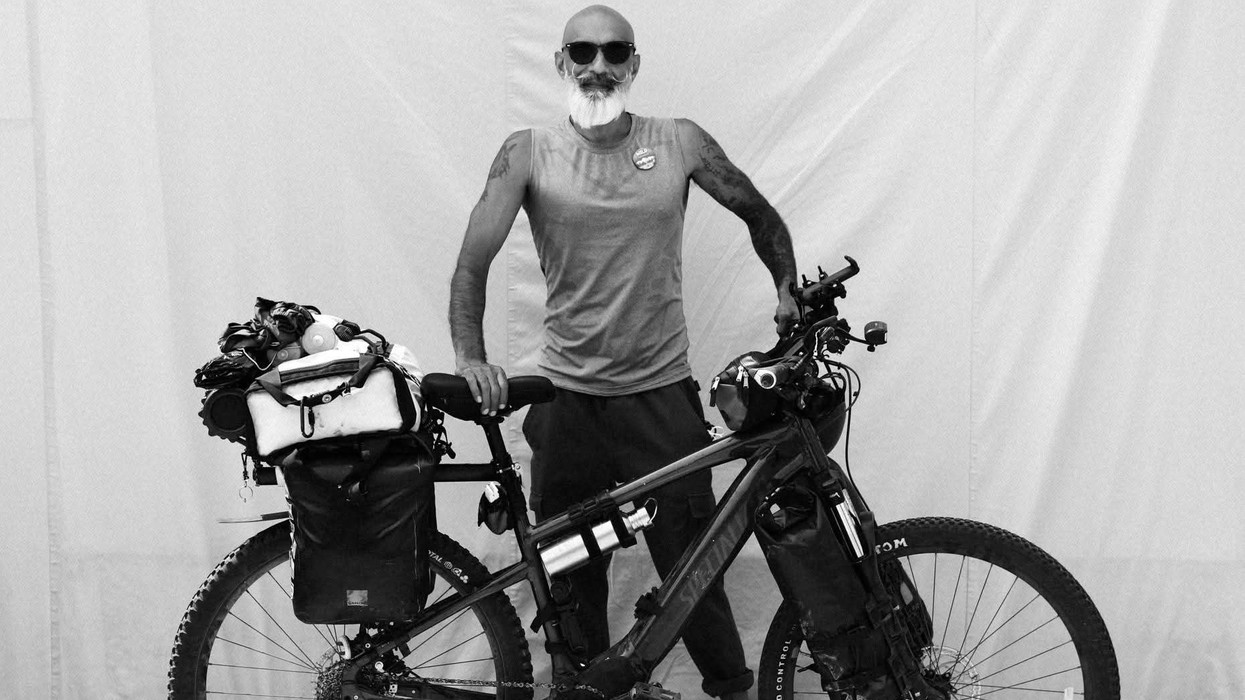
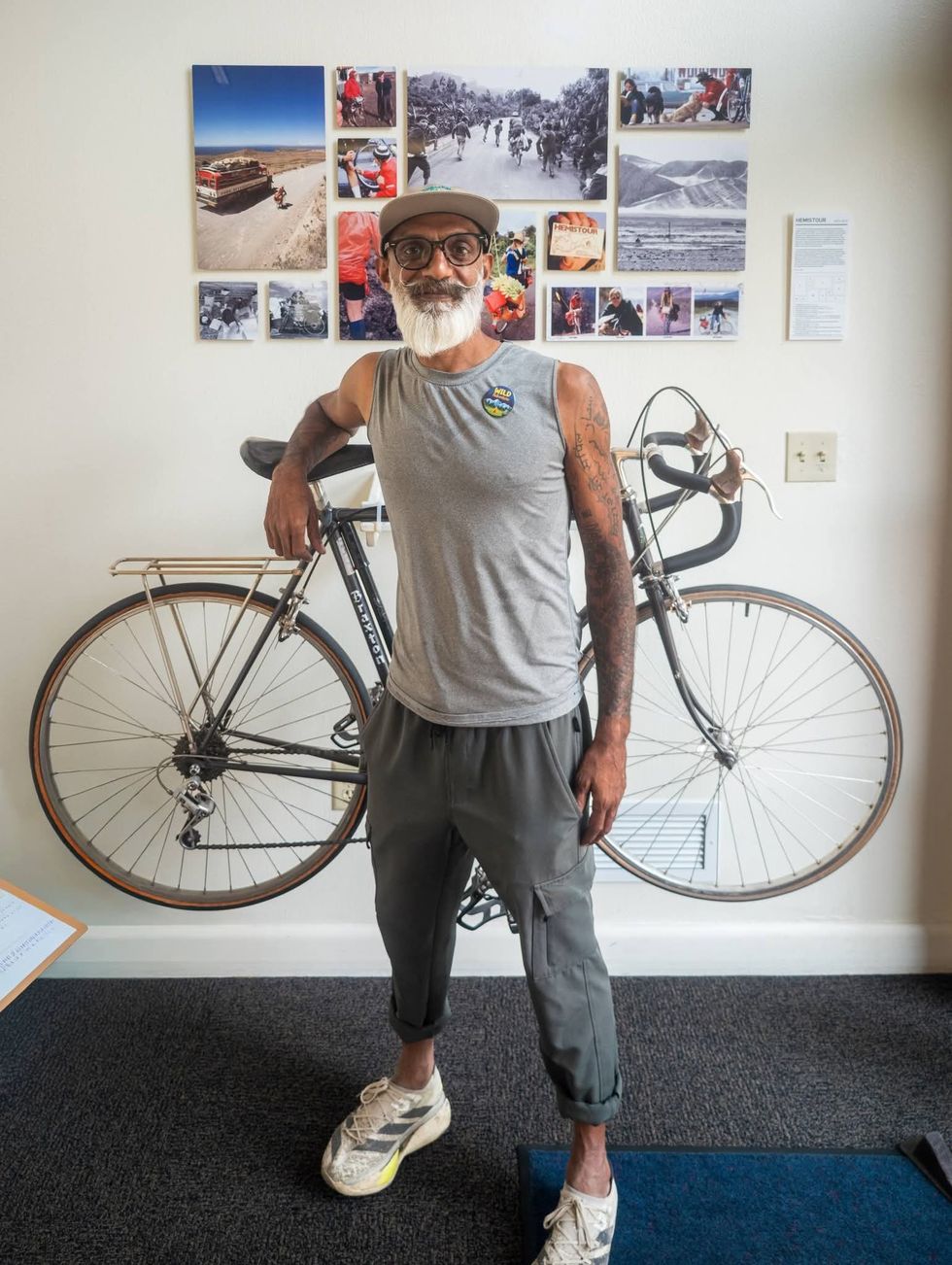 Chazzy Patel with his electric bike and the memories captured in frames.Google Drive
 Chazzy Patel with his friends he made while circumnavigating on electric bike.Google Drive
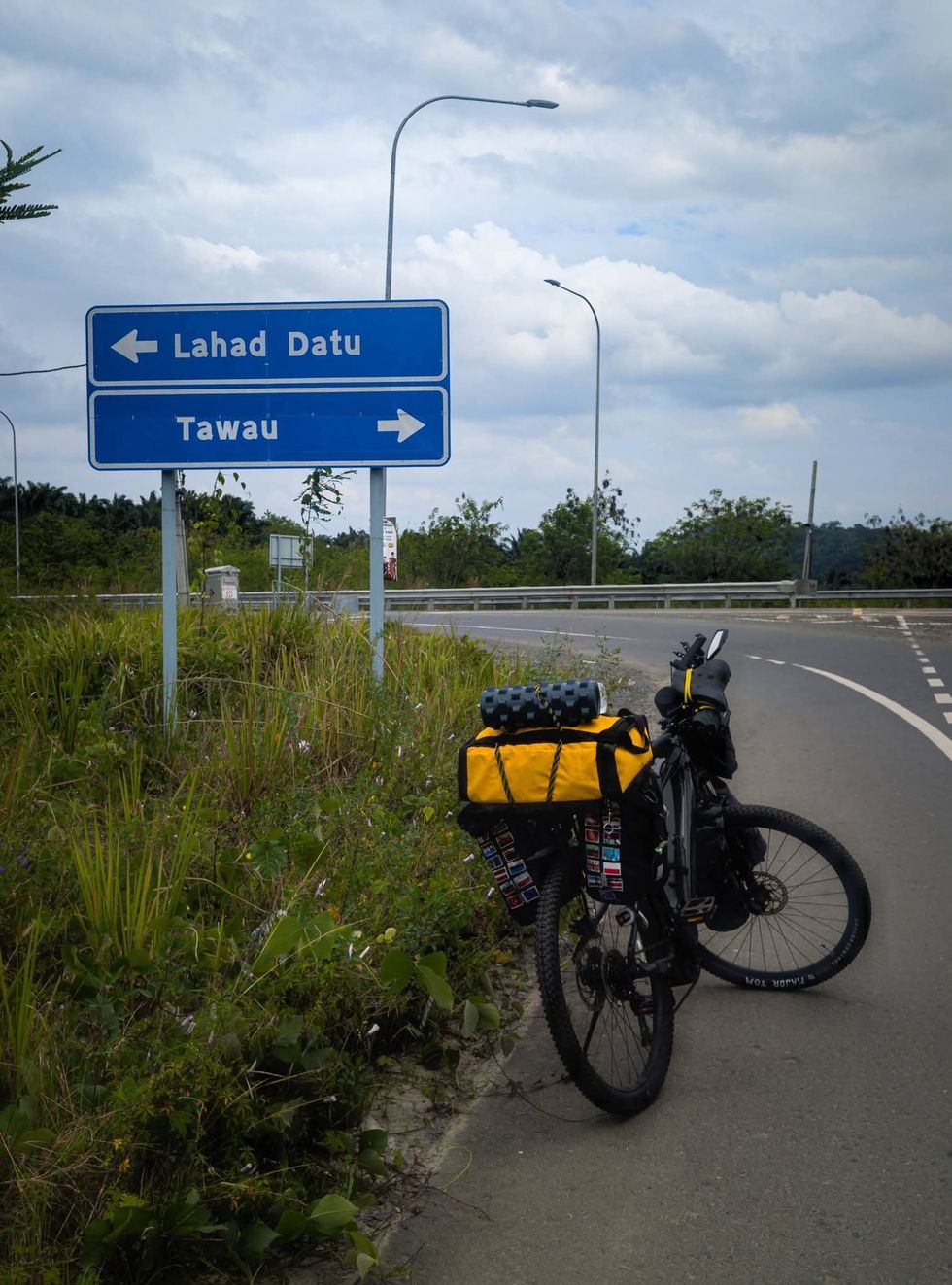 Chazzy Patel's setup in ThailandGoogle Drive