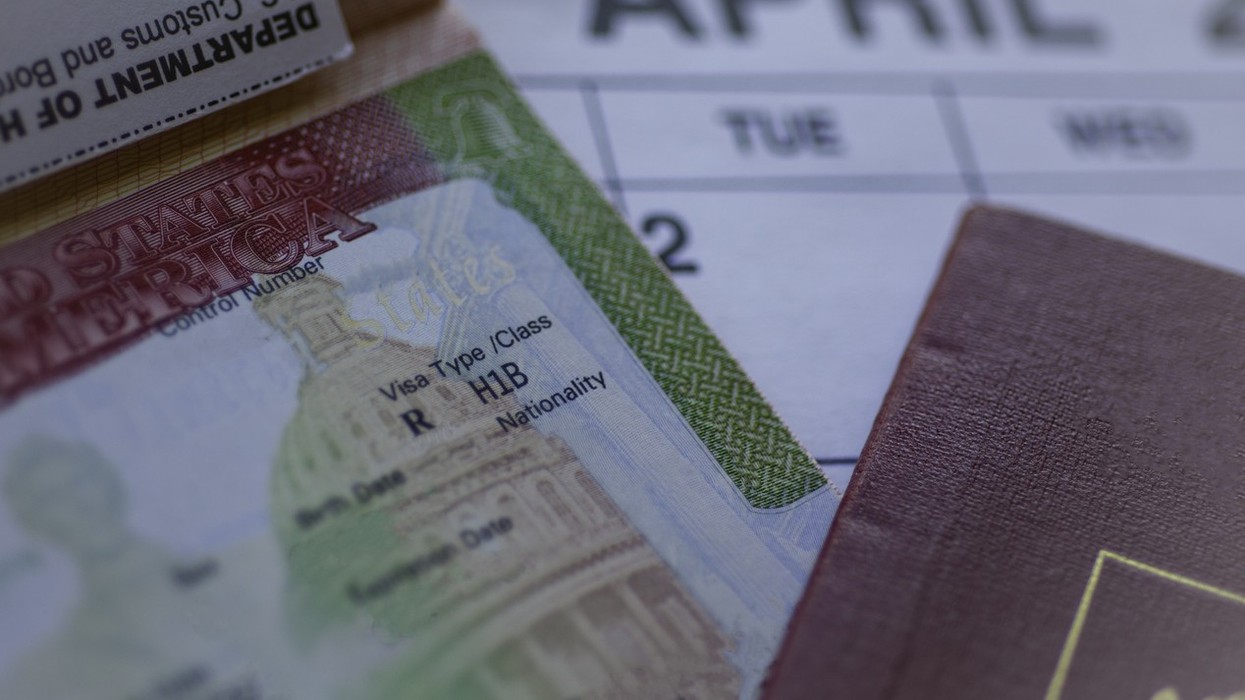

- $4,000 fee: Employers will pay the additional fee for eligible H-1B extension petitions.
- $4,500 for L-1: The corresponding fee for eligible L-1 petitions will be $4,500.
- Effective Sept. 9: The expanded fee requirement will apply from Sept. 9.
- Large employers targeted: The rule applies to companies meeting specific workforce and visa-status thresholds.
- Higher annual costs: IT services and consulting firms could face multimillion-dollar additional expenses.
The United States is expanding the scope of a fee originally imposed on certain H-1B and L-1 petitions, requiring some large employers to pay thousands of dollars when seeking extensions for employees already working in the country.
Under the new rule published by the Department of Homeland Security (DHS), employers will have to pay a $4,000 fee for eligible H-1B petitions and $4,500 for eligible L-1 petitions seeking an extension of the employee’s stay. The requirement takes effect Sept. 9.
Previously, the fee generally applied to initial H-1B and L-1 petitions and certain petitions involving workers changing jobs. The expansion means employers could now incur the charge when filing routine extension requests for the same employee.
The fee, known as the 9/11 Response and Biometric Entry-Exit Fee, applies to employers with at least 50 employees in the United States when more than 50 per cent of their workforce is in H-1B or L-1 nonimmigrant status.
Indian IT firms among those facing higher costs
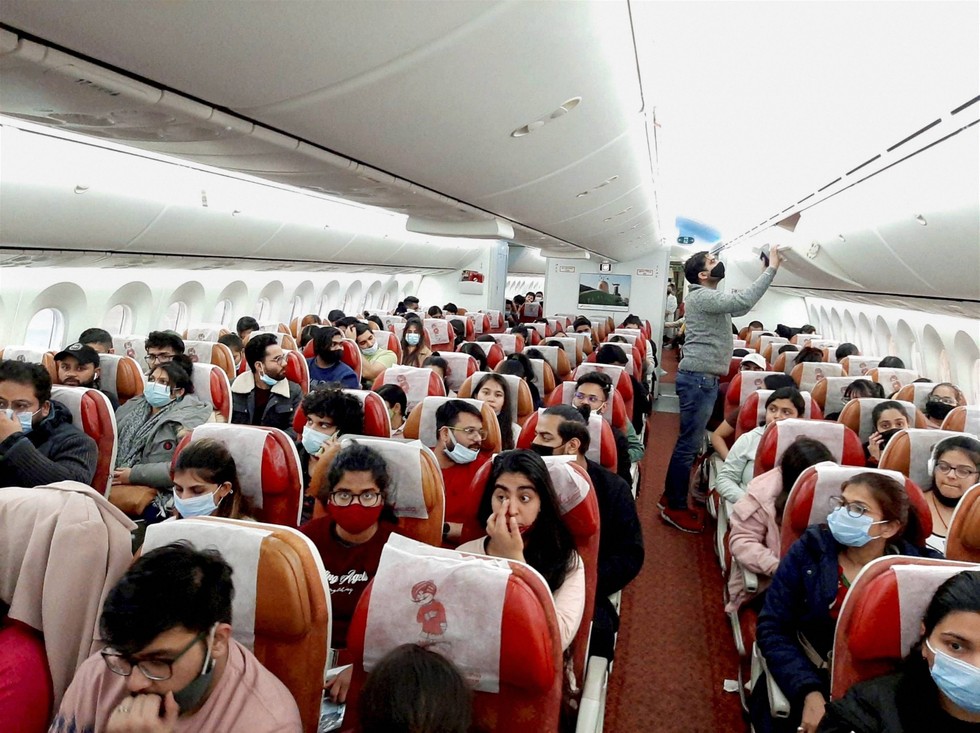
The change could have a significant financial impact on Indian technology and consulting companies that use a blended staffing model, combining employees based in the United States with workers supporting operations from India and other offshore locations.
Large IT services providers and global consulting firms frequently rely on H-1B and L-1 visas to deploy specialized employees to US projects. For companies with thousands of employees holding these statuses, the expanded fee could transform what was previously an occasional immigration expense into a recurring operating cost.
For example, an IT services company managing several thousand onshore employees in H-1B or L-1 status could face millions of dollars in additional annual filing expenses, depending on the number of eligible extension petitions it submits.
The rule is also expected to affect other multinational companies, technology businesses and organizations that maintain large populations of foreign workers in the United States.
DHS has clarified that amended petitions that do not request an extension of status are not subject to the expanded fee.
Revenue to support biometric entry-exit system
DHS estimates that expanding collection of the fee to eligible extension petitions will generate approximately $157.3 million annually.
The revenue is statutorily designated to support the US Customs and Border Protection Air and Sea Biometric Entry-Exit System, an automated biometric tracking framework intended to strengthen the monitoring of travelers entering and leaving the country.
Congress created the fee in December 2015 as a successor to an earlier supplemental immigration fee. The funds were intended to support biometric entry-exit programs established as part of broader national security efforts.
For employers, however, the immediate effect will be higher immigration sponsorship costs. Companies that regularly renew H-1B and L-1 workers’ status will need to account for the additional charges when planning workforce and immigration budgets.
The expanded requirement could therefore add pressure to employers already managing significant visa-related expenses, particularly in sectors that depend heavily on foreign skilled workers.








 Abdul El -SayedGetty Images
 Suhas Subramanyamx
 Nirav Shethx
 Amish Shahx
 Pia Dandiyax