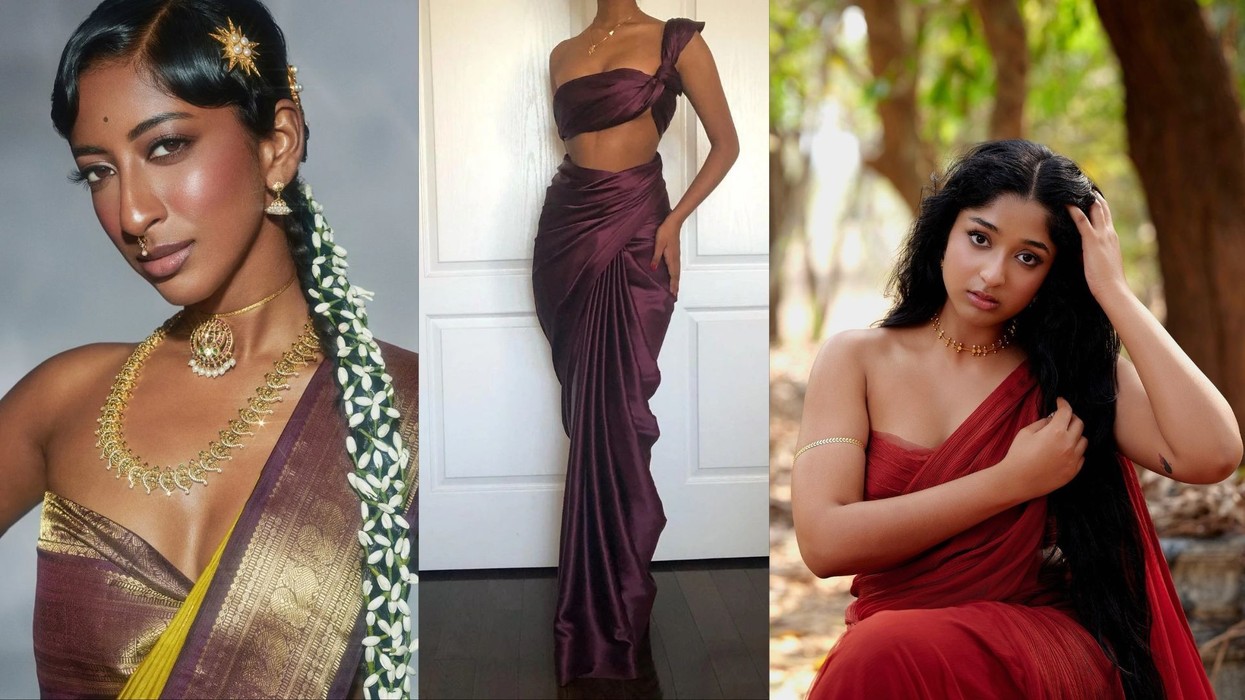

Highlights:
Can someone own the way a saree is draped? Can a creator claim a style that draws on a garment worn and reinvented by generations of South Asian women? And when a film takes inspiration from a contemporary influencer, is a social media acknowledgement enough, or should that creator have a more formal role in the project?
These questions sit at the centre of a public dispute involving Natasha Thasan, the Sri Lankan-Tamil content creator known online as the “Saree Architect”, and Maitreyi Ramakrishnan, the Canadian actor of Sri Lankan-Tamil heritage known for Netflix’s Never Have I Ever.
The disagreement centres on a saree look worn by Ramakrishnan in Best of the Best, a Netflix film written by Hasan Minhaj and Prashanth Venkataramanujam and directed by Lena Khan. The film follows two UCLA freshmen and best friends, Maya, played by Ramakrishnan, and Anjali, played by Priyanka Kedia, through the competitive world of intercollegiate Bollywood dance.
At first glance, the dispute might look like another online argument about who wore a look first. But the details raise a more complicated question: what does it mean to receive credit for influencing a look when the garment and its draping traditions belong to a much wider cultural history?
The credit was there. Was it enough?
The controversy concerns a blouseless, contemporary saree drape worn by Ramakrishnan in a date-auction scene. The costume was a jewel-toned saree from the label Tilfi, woven using the kadua technique and styled as a hybrid between a saree and a gown.
In a September 22 interview with The Nod, costume designer Elisabeth Vastola said she had looked to Thasan's work for inspiration. The publication's captions also credited Thasan's influence on the draping and pleating, alongside the 1999 Bollywood film Taal.
That detail matters. The question is not simply whether Thasan was acknowledged at all; the published interview and captions indicate that her work was credited. The dispute is about what kind of recognition she expected and whether acknowledging her influence adequately addressed her concerns.
Thasan subsequently posted a video accusing the film's team of taking her design and creative “essence”. The video opened with the words “exploit me and use me without me”, suggesting that her frustration may extend beyond whether her name appeared in public-facing material.
There is an important difference between being credited as an inspiration, being hired as a consultant, receiving payment for a contribution and being credited as the creator of a particular design. These are not interchangeable forms of recognition.
Thasan has said she declined an offer to work as a costume consultant on the project, according to reports about the dispute. The circumstances and terms of that offer, and what further involvement she expected, need to be established directly with the parties.
Ramakrishnan responded in the comments, saying she had always been inspired by Thasan's work and that the influence had been acknowledged. She also said she was surprised by the reaction.
Neither the existence of inspiration nor the presence of a credit automatically settles every question about creative fairness. But the distinction is essential: a claim that someone was not acknowledged at all is different from an argument that the acknowledgement was insufficient.
Who owns a traditional drape?
The question becomes more complicated when the subject is a saree. Unlike a newly created logo or a particular piece of artwork, the saree is a garment with a long, varied history across South Asia. Its draping methods have developed across regions, communities and generations.
Sari historian and textile scholar Rta Kapur Chishti has documented 108 draping styles in Saris: Tradition and Beyond, co-authored with Martand Singh. Her work, alongside the Sari School she established in 2009, highlights the breadth of regional traditions and the many ways the unstitched garment can be worn.
Some traditional drapes do not require a blouse or petticoat. That history complicates any suggestion that blouseless draping, as a broad category, belongs to a modern social media creator.
But that does not mean every contemporary interpretation is identical, or that creators cannot develop distinctive ways of styling an old garment. A particular combination of pleats, silhouette, accessories, fabric and presentation may reflect an individual's creative choices even when the underlying technique is traditional.
The distinction is between a cultural practice and a specific creative expression of that practice.
Thasan has built a public identity around challenging conventional expectations of saree styling. She has spoken about the dominance of bridal standards and conservative ideas about how the garment should be worn, and has defended blouseless styling by comparing it with strapless dresses.
Her work sits within a wider movement that treats the saree as something adaptable rather than fixed. Yet if the underlying draping technique has historical precedents, the question of whether a particular modern look can be claimed as one person's signature requires a more precise examination than simply comparing two outfits.
Designers have reinvented the saree for decades
Indian fashion offers plenty of examples of designers reworking the saree without owning the broader tradition behind it.
Tarun Tahiliani is widely associated with the concept saree: a structured, often pre-draped interpretation designed to make the garment more accessible to contemporary wearers. His approach combines Indian craft with Western tailoring and reshapes the drape for modern lifestyles.
Gaurav Gupta has become known for sculptural saree gowns that combine the fluidity of a traditional drape with the structure of a gown. The hybrid has since appeared in many forms across the fashion industry. Its wider adoption illustrates how a designer's signature idea can influence a category without necessarily giving that designer ownership over every garment that follows.
Anamika Khanna has explored fusion silhouettes, including pant-sarees and cape-sarees. Rimzim Dadu and Amit Aggarwal have experimented with textiles, structure and architectural volume, turning the familiar drape into something sculptural. Their work demonstrates how the saree continues to evolve through new materials and construction.
Sanjay Garg, the founder of Raw Mango, has taken a different route, focusing on the weave, colour and textile traditions that make a saree distinctive. The Victoria and Albert Museum in London has collected a Raw Mango saree, reflecting the place of contemporary Indian textile design in a much older craft tradition.
These designers have helped expand the possibilities of the garment. Their work also illustrates why the debate cannot be reduced to a simple question of whether a style has been seen before. A designer may develop a recognisable interpretation, but the saree itself remains part of a shared and evolving cultural vocabulary.
It would be unfair, however, to suggest that any of these designers has taken a position on the Thasan dispute. Their work provides context for the debate, not evidence that either party is right.
What can the law protect?
The legal question is narrower than the cultural one.
In the United States, copyright generally does not protect the functional design of a useful article such as clothing. The US Supreme Court's 2017 decision in Star Athletica v. Varsity Brands addressed when artistic features incorporated into clothing may qualify for copyright protection if they can be identified separately from the garment's utilitarian aspects.
A draping method, as a method or process, is not ordinarily protected by copyright simply because one person demonstrates or popularises it. Thasan's original videos and photographs, by contrast, are creative works that may receive copyright protection in their own right. That does not automatically give her ownership over a similar drape recreated on another person.
Fashion designs can also raise questions under design-patent, trademark or other intellectual property rules, depending on the jurisdiction and the specific features involved. Whether any such protection applies to the look in Best of the Best would require a detailed examination of the design and the relevant rights.
No infringement has been established in this dispute based on the information available. It would therefore be premature to describe the film's look as proven design theft.
The ethical question is different. A creator can reasonably want meaningful acknowledgement, payment or a professional opportunity when a production draws heavily on their work. But whether those expectations were agreed, offered or met is a factual question that cannot be answered by the visual similarity of two outfits alone.
A debate bigger than one film
For South Asian communities, including the diaspora in the United States and Canada, the dispute touches on a familiar tension. Cultural traditions are constantly reinterpreted by designers, performers, influencers and ordinary people. Social media can help creators build a following around their interpretation of a tradition, but it can also blur the line between influence, ownership and originality.
Thasan's position raises an important question about the value of creative labour: if an influencer helps popularise a look and a major production draws on that aesthetic, what should fair recognition look like? A credit in a magazine interview may establish that the influence was acknowledged, but it may not answer whether the creator wanted to be involved, paid or credited in another way.
At the same time, cultural heritage cannot be treated as the property of whoever gains the largest following for a particular interpretation. A saree drape that has historical precedents does not become the exclusive property of a contemporary creator simply because that creator makes it popular online.
The real challenge is to recognise both things at once: the tradition belongs to a much longer cultural history, and individual creators can still contribute original ideas deserving of recognition.
That is why the dispute between Natasha Thasan and Maitreyi Ramakrishnan matters beyond a Netflix costume. It asks whether the fashion industry has clear and fair ways to acknowledge inspiration, especially when traditional cultural practices meet modern media and commercial production.
The question is not simply who owns the saree. It is whether the people who reinterpret it can be recognised fairly without claiming ownership over a tradition that no single individual created.
Until the parties clarify what was offered, what was expected and what remains disputed, the fairest conclusion is also the most revealing one: cultural ownership and creative credit are not the same thing, and neither should be used as a shortcut for settling the other.



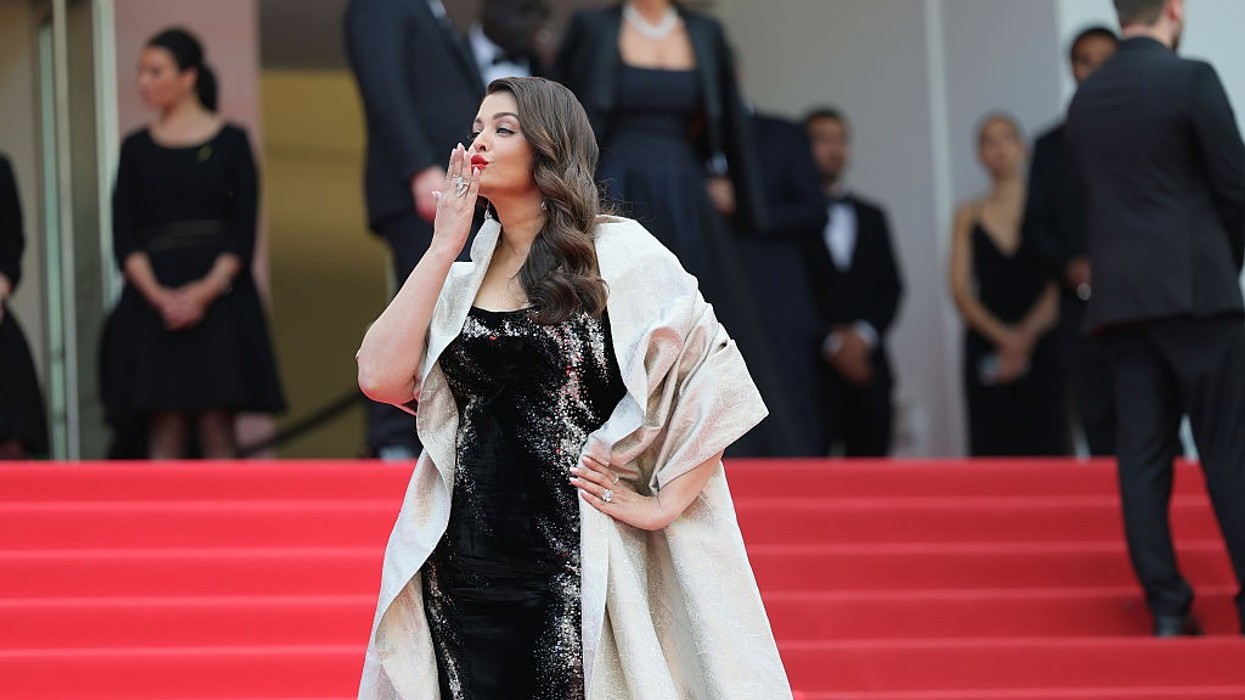


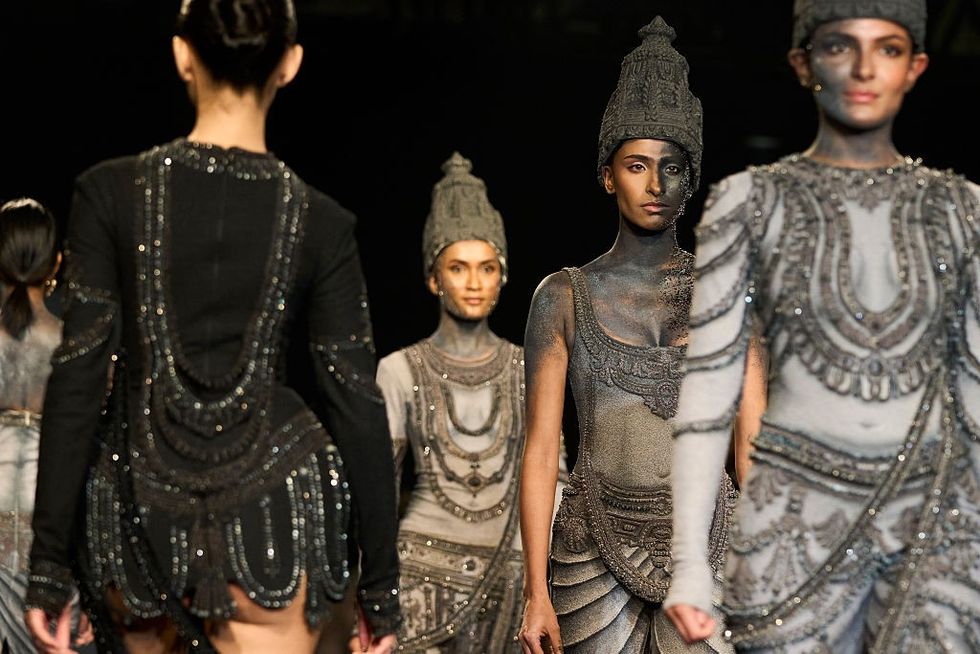 Devi: The Eternal MuseGetty Images
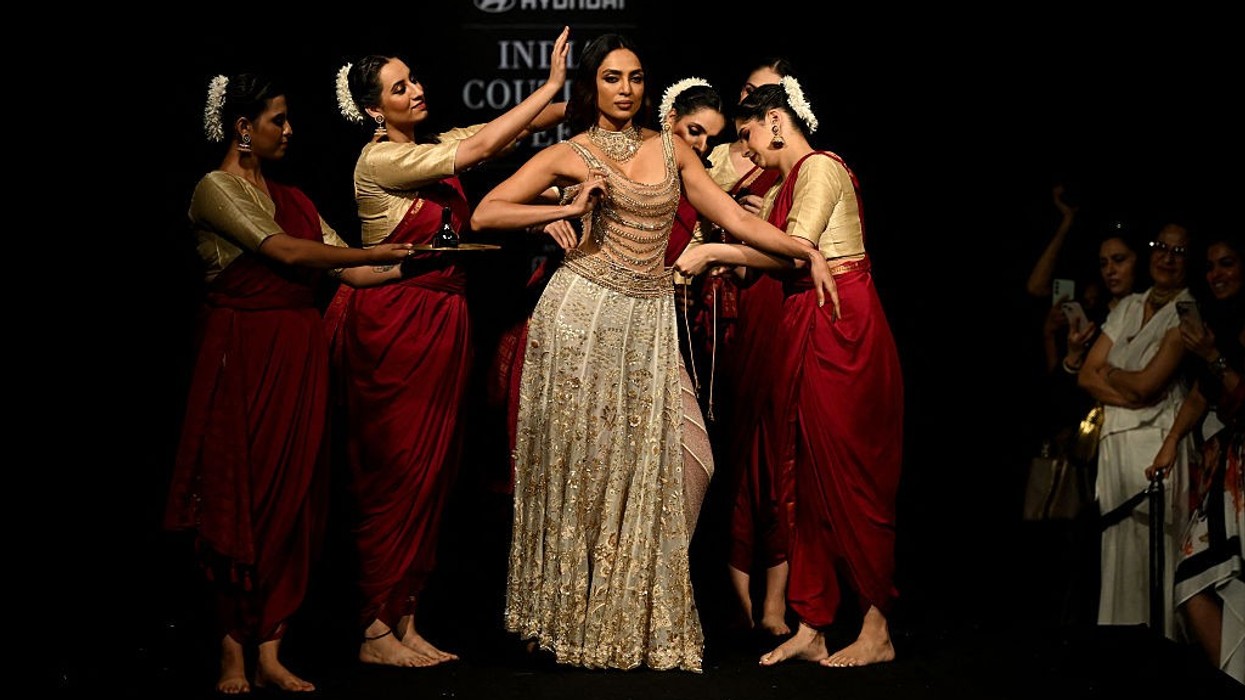
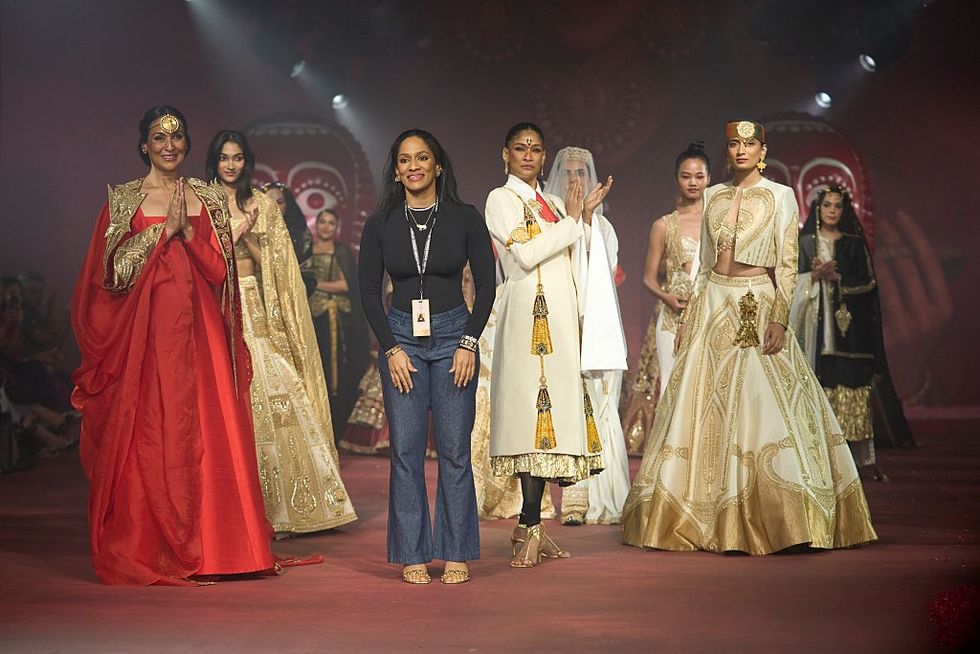 Masaba Gupta joins the models on the runway during the House of Masaba show at India Couture Week 2026 on July 25, 2026 in Delhi, India.Getty Images
 PTI
PTI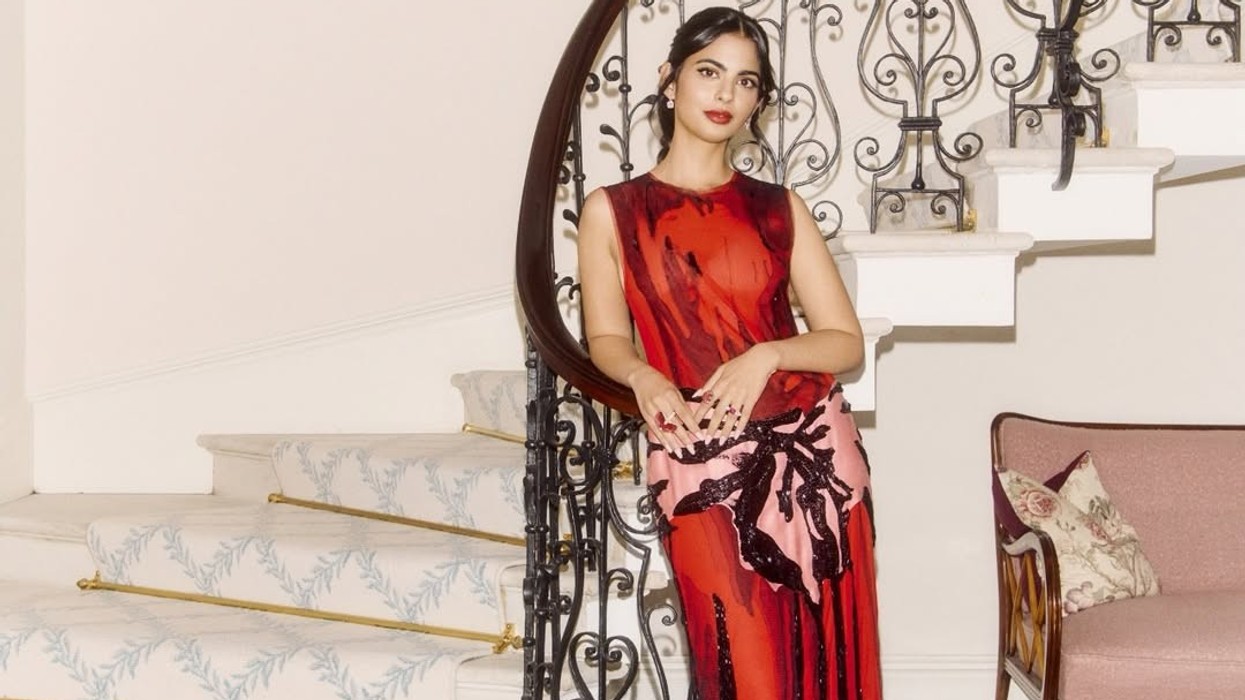
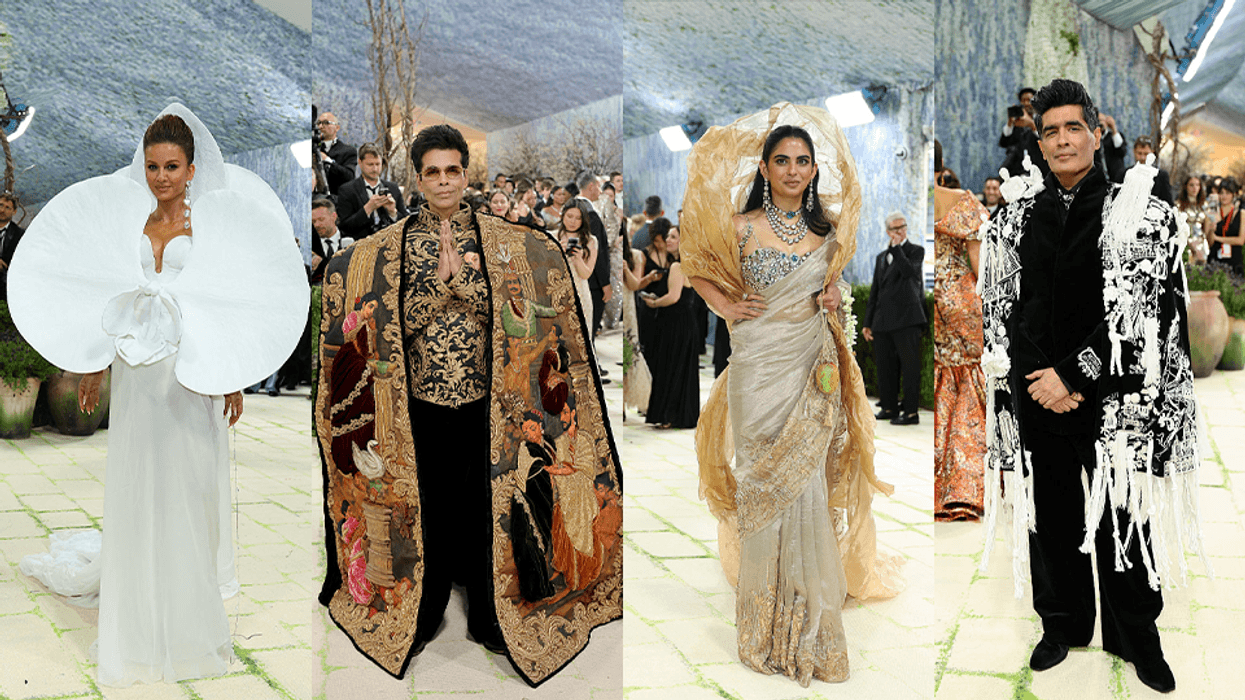
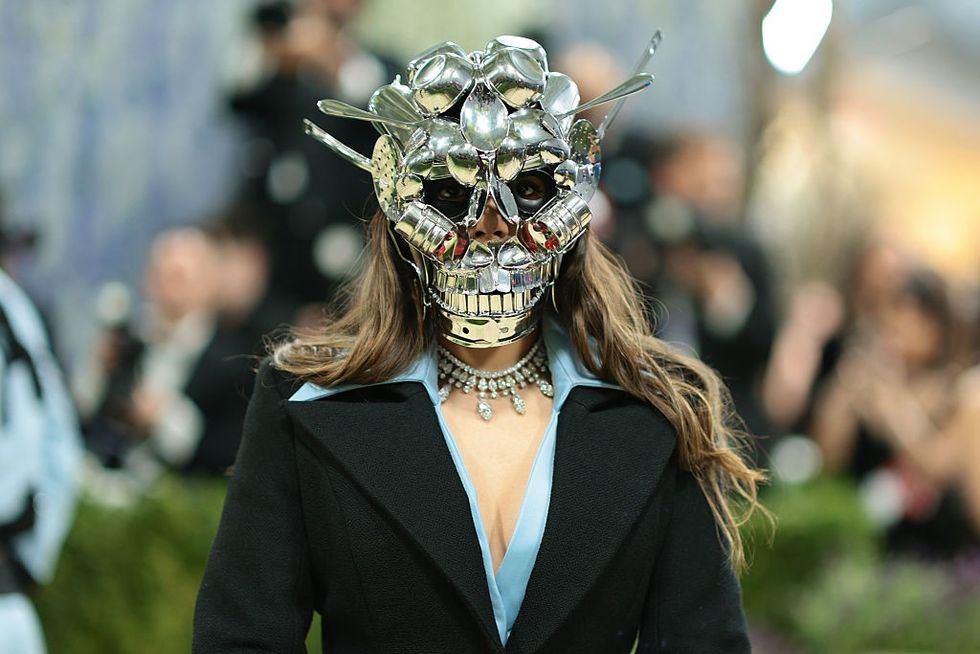 Ananya Birla attends the 2026 Met Gala celebrating "Costume Art" at the Metropolitan Museum of Art on May 04, 2026 in New York City.Getty Images
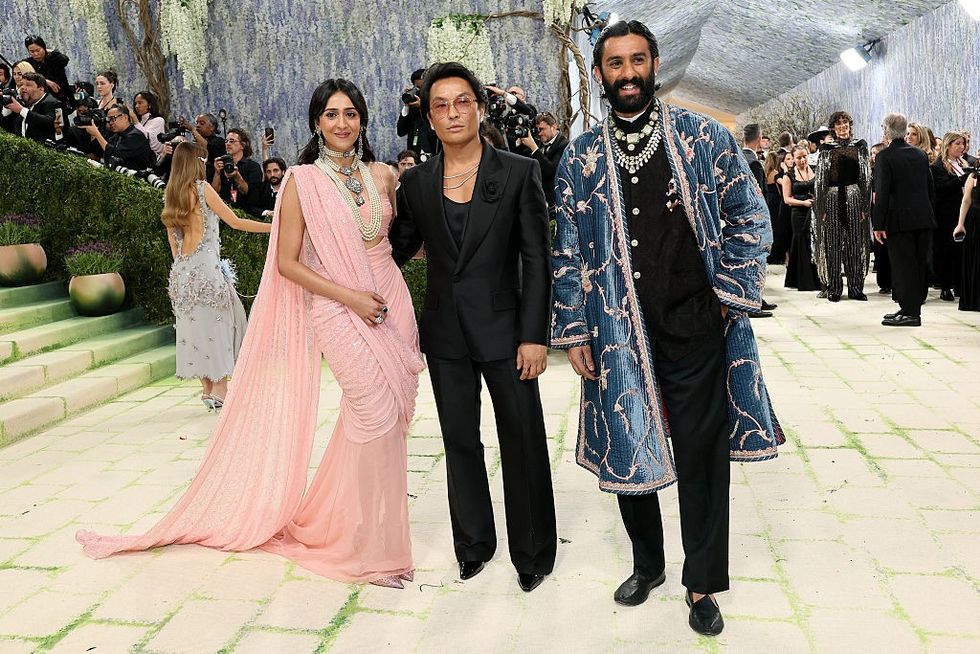 (L-R) Princess Gauravi Kumari of Jaipur, Prabal Gurung and Maharaja Sawai Padmanabh Singh attend the 2026 Met Gala celebrating "Costume Art" at the Metropolitan Museum of Art on May 04, 2026 in New York City. Getty Images
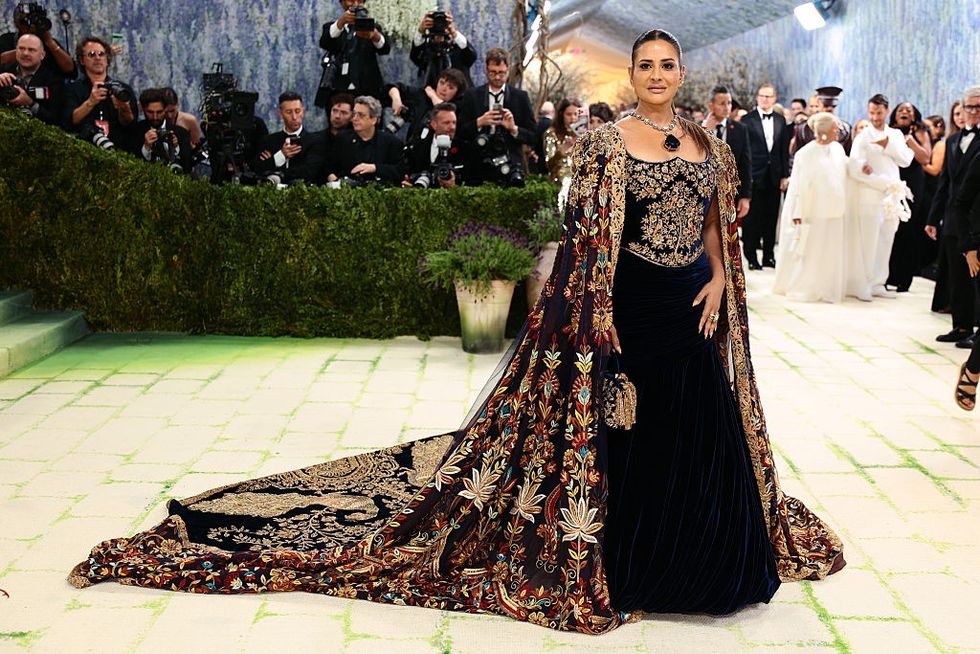 Sudha Reddy attends the 2026 Met Gala celebrating "Costume Art" at the Metropolitan Museum of Art on May 04, 2026 in New York City. Getty Images
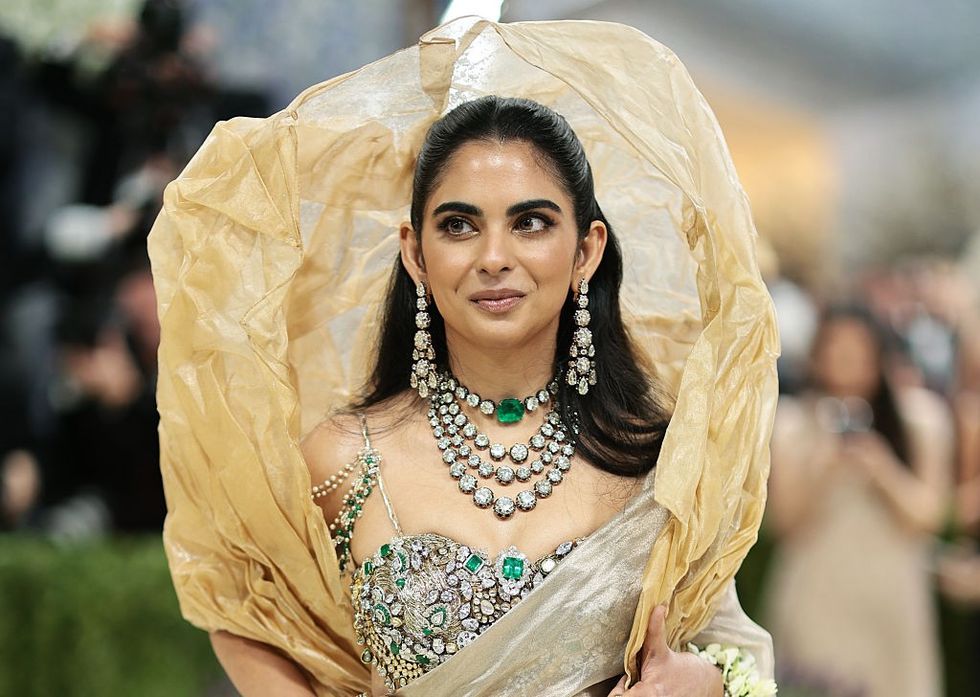 Isha M. Ambani attends the 2026 Met Gala celebrating "Costume Art" at the Metropolitan Museum of Art on May 04, 2026 in New York City. Getty Images
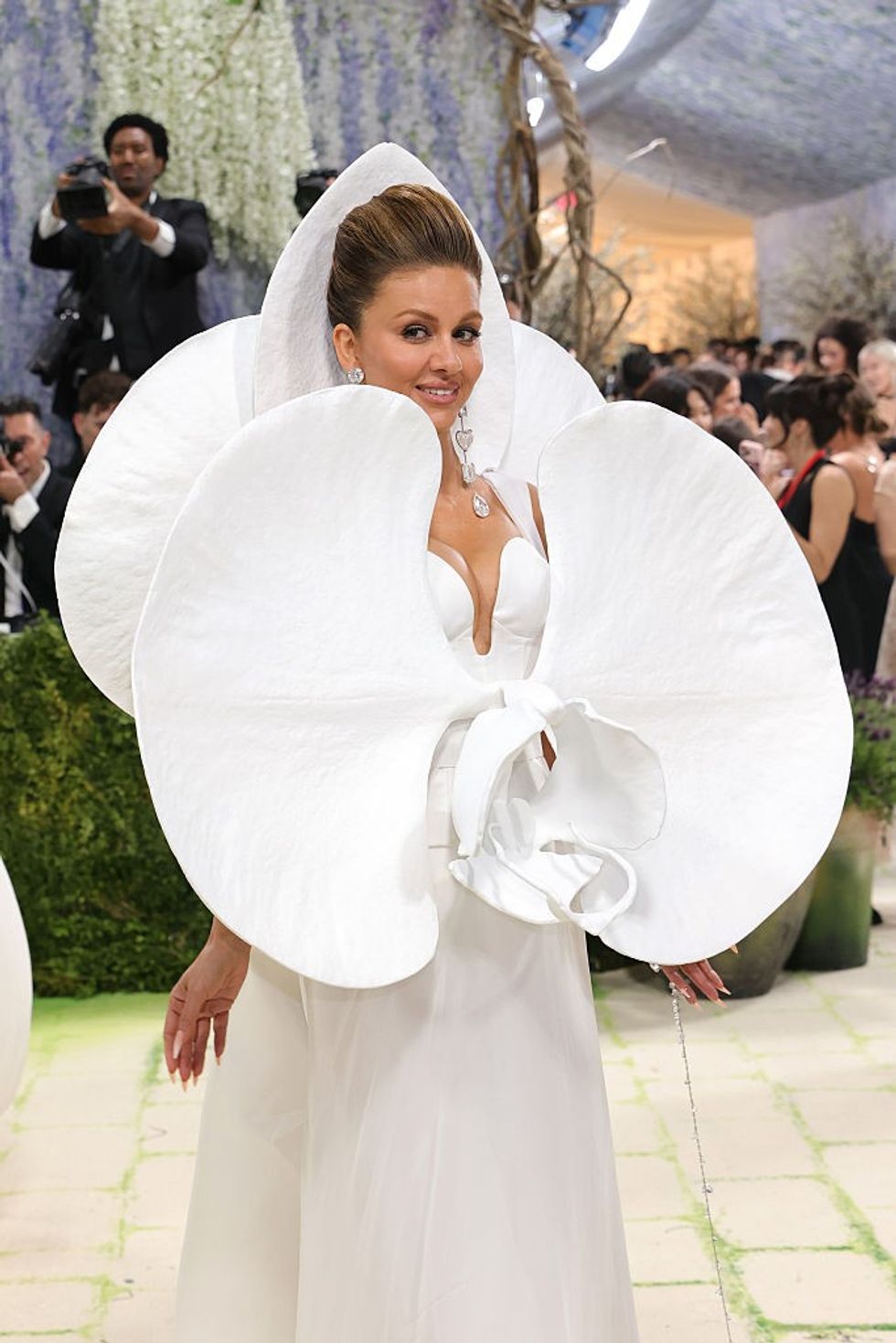 Natasha Poonawalla attends the 2026 Met Gala celebrating "Costume Art" at the Metropolitan Museum of Art on May 04, 2026 in New York City.Getty Images