

AT least 14 residents from Kerala are part of the Islamic State of Khorasan Province (ISKP) terror outfit freed by the Taliban from Afghanistan’s Bagram jail even though there are unconfirmed reports that two Pakistanis were picked up by the group for trying to denotate an IED (improvised explosive device) outside the Turkmenistan embassy in Kabul on Thursday (26), the Hindustan Times reported.
It has been reported that one out of 14 Keralites contacted his home in Kerala recently while the remaining 13 are still at large with the ISKP terror group in the Afghanistan capital. According to the report, after the IS occupied Mosul in Iraq in 2014, many Keralites from Malappuram, Kasaragod and Kannur districts of Kerala left India to join the ISKP in the Middle East.
ALSO READ: US strikes back against IS after Kabul attacks
India facing security challenge from within?
Is India facing a challenge from within after the Taliban regained control of Afghanistan and the Kabul bombings orchestrated by the IS?
Vicky Nanjappa, one of India’s prominent journalists on internal security, cited official sources to say that the bombings in Kabul on Thursday (26) may inspire many from India, especially from Kerala, to find a way to join the outfit. He reported that while the Taliban’s resurgence may have already inspired many radical elements, the bombings in Kabul that killed nearly 200 people may encourage them to recruit more heads.
Taliban advances were inevitable, says Afghanistan expert
Radical elements in South Indian states like Kerala and Tamil Nadu have displayed signs of being sympathetic towards foreign terror groups, Nanjappa wrote for news site Oneindia.com. He said in Kerala, certain elements even mourned the death of Osama bin Laden in 2011 while groups like the Base Movement, which are active in Kerala and Tamil Nadu, derive their ideology from Al Qaeda.
He said several groups in Kerala have already welcomed the Taliban’s return and India’s security officials say that this a dangerous trend. One of Kerala’s Left politicians said that the Taliban’s victory raises the possibility of radical Islam drawing more citizens from the state. Those who are speaking against the Taliban are reportedly receiving death threats.
These are clear signs that the victory of the Taliban would be used as a tool to recruit and radicalise, Nanjappa cited an intelligence official as saying.












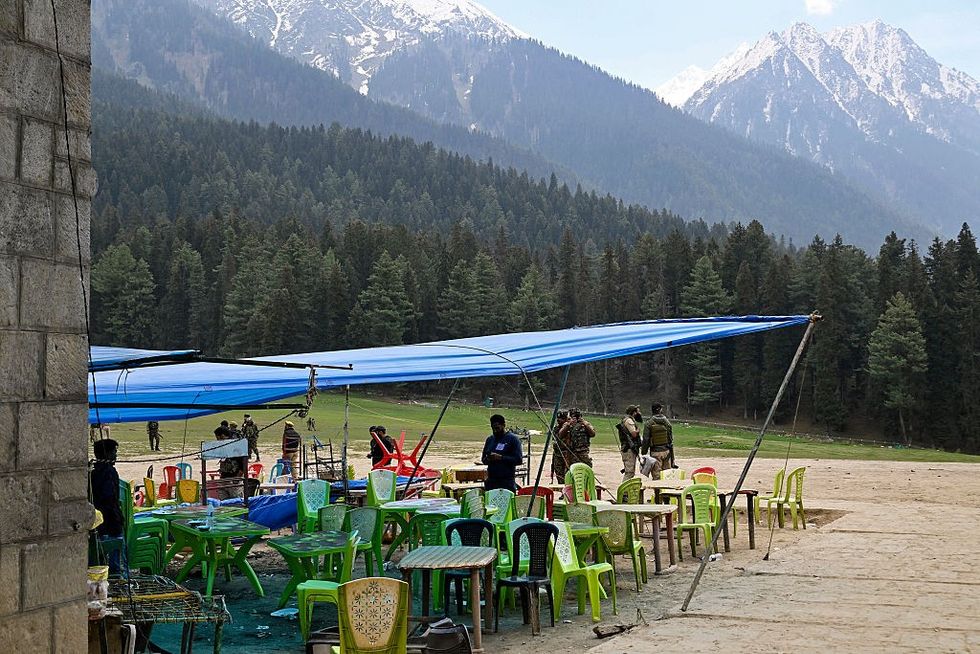 Security personnel inspect the site in the aftermath of an attack as food stall chairs lie empty in Pahalgam, about 90 kilometres (55 miles) from Srinagar on April 23, 2025. Indian security forces in Kashmir carried out a major manhunt on April 23, a day after gunmen opened fire on tourists killing 26 people in the region's deadliest attack on civilians since 2000. Getty Images
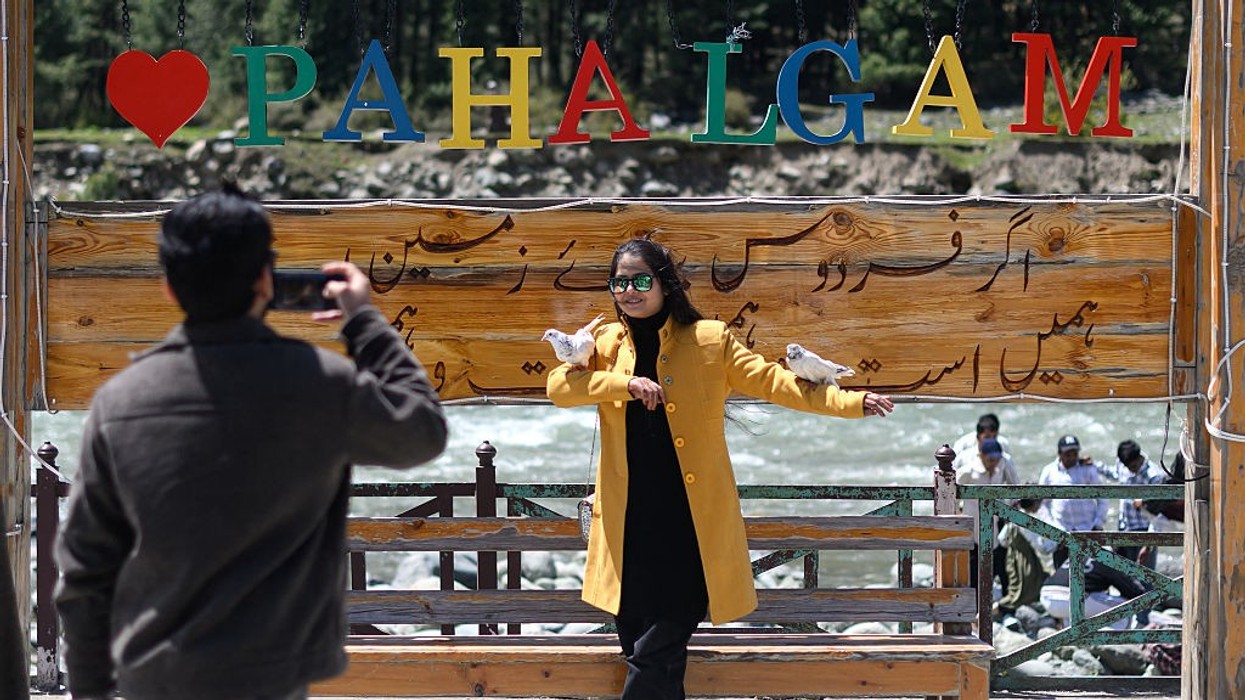
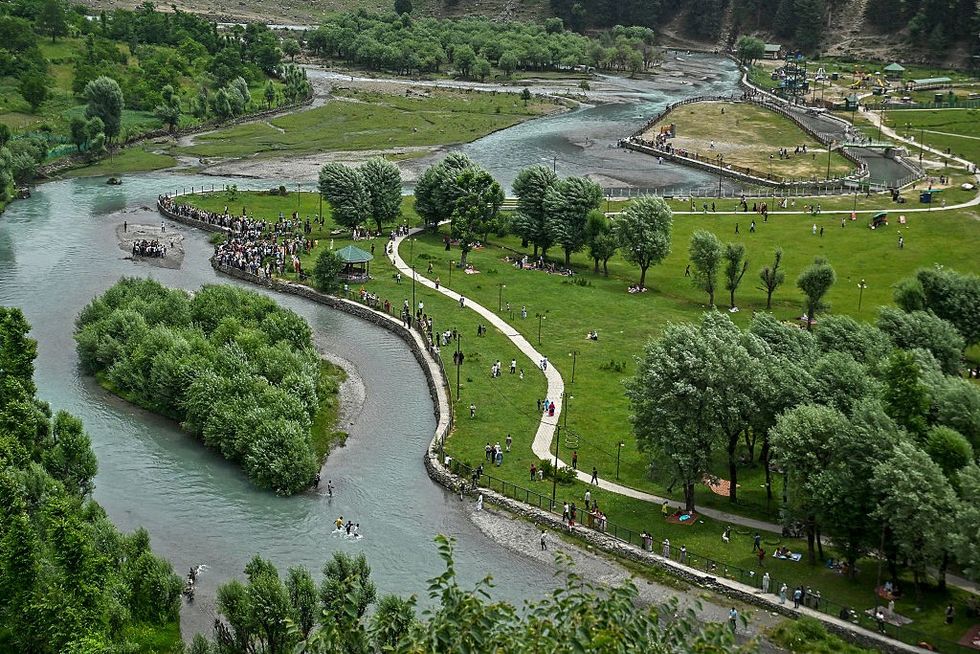 Tourists visit Betaab Valley in Pahalgam, about 112 km south of Srinagar on June 26, 2025.Getty Images
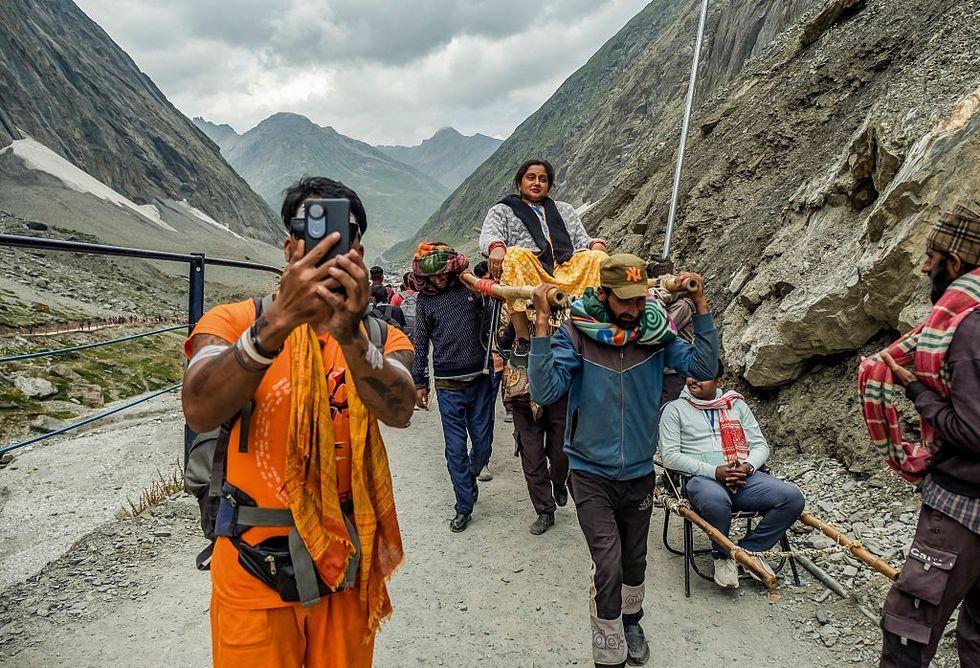 Pilgrims gather at the Baltal Base Camp near Domel, en route to the sacred Amarnath cave in Srinagar, Jammu and Kashmir, India, on July 29, 2025. The annual Amarnath Yatra, which began on July 3, proceeds under heightened security following a deadly terror attack in Pahalgam that claimed the lives of 25 tourists and a local pony handler. Security forces have been deployed in large numbers across the pilgrimage route, with checkpoints, surveillance, and restrictions in place to safeguard the thousands of devotees undertaking the arduous journey. The Amarnath Yatra is one of the most important Hindu pilgrimages, drawing worshippers from across India to the high-altitude Himalayan shrine dedicated to Lord Shiva. Despite the threat of violence and challenging terrain, pilgrims continue their spiritual trek, determined to complete the sacred journey under the shadow of grief and resilience.Getty Images