

Highlights:
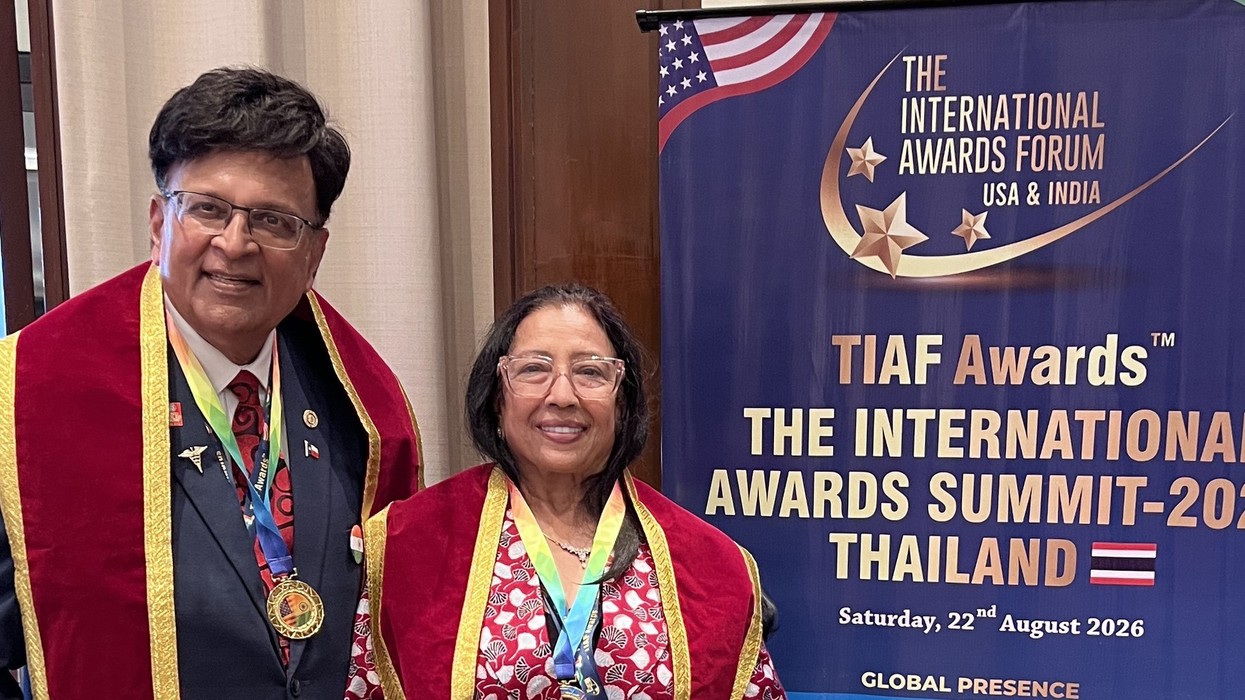
- Indian Americans make up nearly 20 per cent of immigrant doctors in the U.S.
- 48 per cent of STEM-OPT participants in 2024–25 were Indian students.
- Cultural discipline and family support drive Indian American success.
- Skilled immigration policies bring highly educated Indian professionals to the U.S.
- Indian Americans are shaping the future of US healthcare and technology.
Redditors have taken it on head about this unpopular opinion that Indian Americans have earned a reputation for success in some of the most competitive fields and have showcased their unwavering talent, especially in the US, in fields like medicine, technology, and engineering. Their achievements come from a mix of cultural discipline, educational drive, and strong family support that pushes them toward excellence.
Education and professional skills: Doctors and engineers
Many Indian Americans choose careers in medicine and engineering. As one Reddit user joked, “Dad is a doctor” or “Or a software engineer,” describing how common these professions are in Indian families. Another added, “As an Indian guy, this could not be any more accurate,” showing how deeply education and high-status careers are valued. This focus has helped Indian Americans play a key role in shaping America’s healthcare and tech industries.
Cultural and family values: work and support
Hard work is a shared value across generations. “I'm in my 30s, and this was accurate when I was a teen,” one Reddit user said, referring to the never-ending emphasis on achievement. Family support is a big part of this success story. “Lol, all the Indian kids I know live in that house,” another user wrote, describing how multi-generational homes often focus on education and shared goals.
Skilled immigrants and adaptability
Many Indian Americans come from highly educated backgrounds. “People from India who are wealthy in the US generally went there for high-paying tech jobs and gained citizenship or are the descendants of people who did,” one Redditor explained. This shows how immigration policies favor skilled workers, creating a strong professional base. Indian Americans also adapt quickly while keeping their cultural pride intact. “Met a ton of Indian and Pakistani kids in medical school and residency—they’re all from upper-middle-class families and towns and talk like Black people,” another commenter wrote, showing how well they blend into American life while keeping their roots.
Recent statistics in medicine and technology
Today, nearly 1 in 5 immigrant doctors in the US is Indian, making them the largest group among foreign-born physicians. Indian Americans represent over 20 per cent of immigrant doctors and also contribute significantly to nursing and healthcare.
In technology, engineers and innovators of Indian origin continue to rise to leadership roles. In 2024-25, around 42 per cent of Indian students in the US chose computer science and math majors, and nearly 48 per cent of STEM-OPT participants were Indian, proving their deep influence on the tech economy.
The success of Indian Americans in fields like medicine, technology, and business is no coincidence. It reflects a blend of strong family values, educational focus, skilled immigration, and adaptability. Their growing presence continues to shape America's scientific, medical, and technological future.



 Outlook



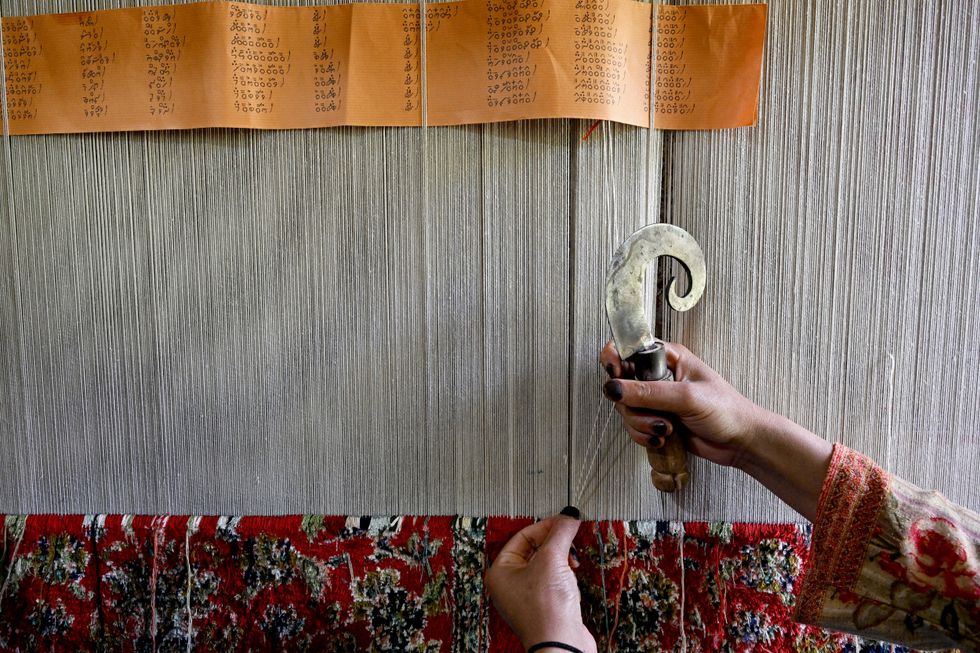 A Kashmiri craftswoman weaves a silk carpet at a factory in SrinagarTauseef Mustafa/AFP via Getty Images
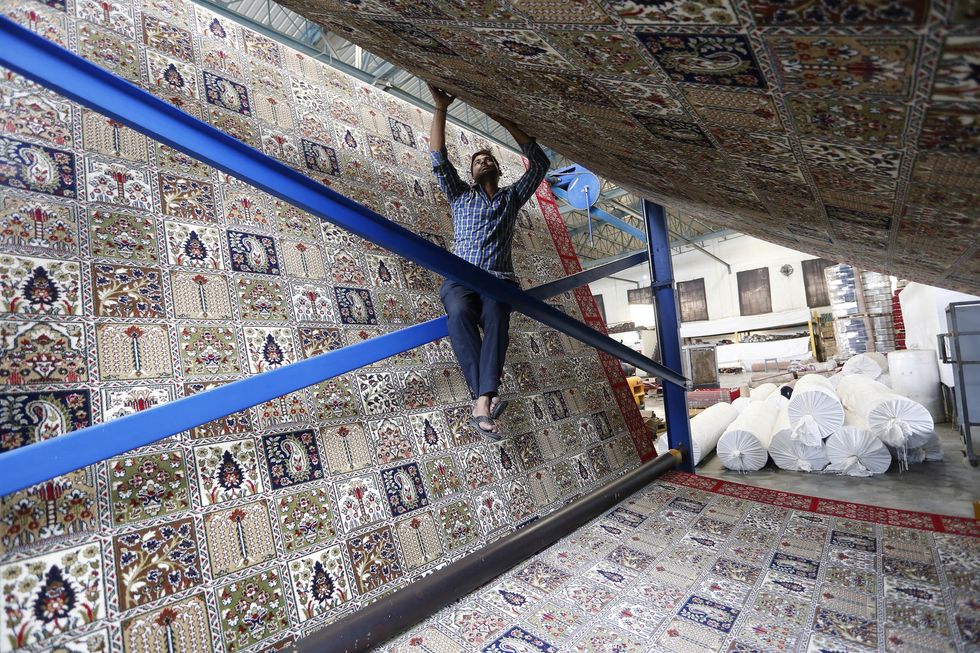 A worker weaves a carpet at a factory on the outskirts of JammuAlok pathania/AFP via Getty Images
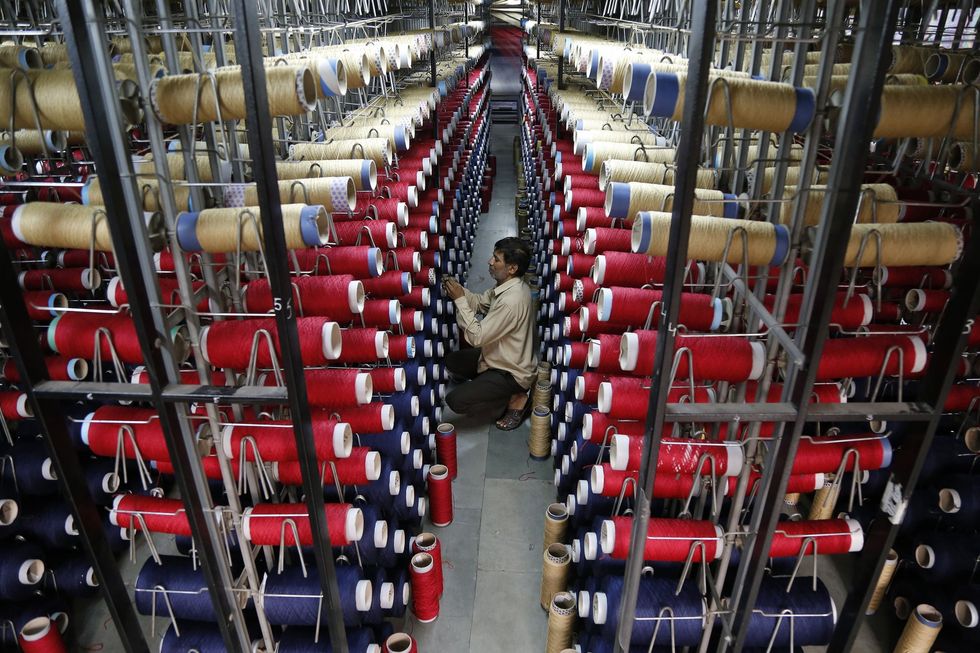 A worker checks thread reels at a carpet factory in JammuAlok pathania/AFP via Getty Images
 Getty Images

Katrina Kaif reacts to postpartum beauty comments, reveals her 'skin became sensitive' and 'feeling best matters more'