
- A 0.4 per cent Merchant Discount Rate will apply to specified UPI merchant transactions above ₹2,000 from October 15.
- Rahul Gandhi has accused the government of imposing a “UPI tax” under US pressure and benefiting American payment companies.
- The Finance Ministry has rejected the allegation, saying India’s UPI policy is decided independently.
Rahul Gandhi has turned India’s new UPI charge into a fresh political fight over the country’s relationship with the US.
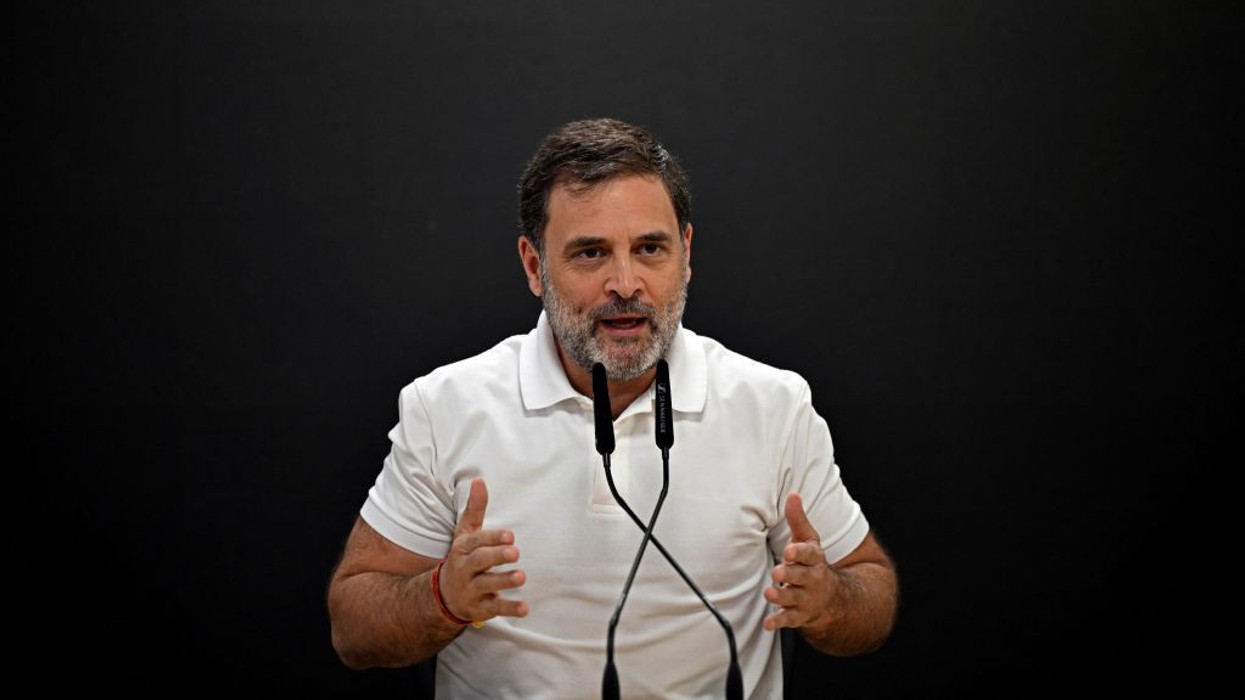
The Leader of the Opposition in the Lok Sabha attacked Prime Minister Narendra Modi on Wednesday (16), accusing his government of introducing a “UPI tax” under pressure from Washington and giving money to the US.
In a video posted on social media, Gandhi linked the move to what he described as Modi’s willingness to “prostrate himself” before US President Donald Trump. He demanded that the government withdraw the new charge.
“He has put a tax on every single Indian by taxing UPI and giving huge amounts of money to the United States,” Gandhi alleged.
The remarks came after the National Payments Corporation of India announced a new Merchant Discount Rate, or MDR, for certain UPI payments. From October 15, a 0.4 per cent charge will apply to specified person-to-merchant transactions above ₹2,000.
What exactly is changing?
Despite the political description of it as a “UPI tax”, the new MDR is not a direct charge on consumers.
Person-to-person UPI transfers will remain free, while merchant payments below ₹2,000 will also continue without MDR. The Finance Ministry said more than 95 per cent of merchant payments fall below the ₹2,000 threshold.
The charge will generally be borne by merchants. The government has also instructed banks that merchants should not pass the MDR directly on to customers.
The new framework is aimed at creating a revenue stream for the UPI ecosystem after years in which digital payments have largely operated without a conventional merchant fee.
The government says the change is intended to make the system more financially sustainable rather than to impose a new consumer tax.
That distinction, however, has not stopped the political backlash.
Congress has argued that charging MDR on UPI could weaken one of India's biggest advantages in digital payments while potentially opening more room for international payment networks such as Visa and Mastercard.
Gandhi has taken the argument further by connecting the policy to the broader relationship between New Delhi and Washington.
Why bring the US into UPI?
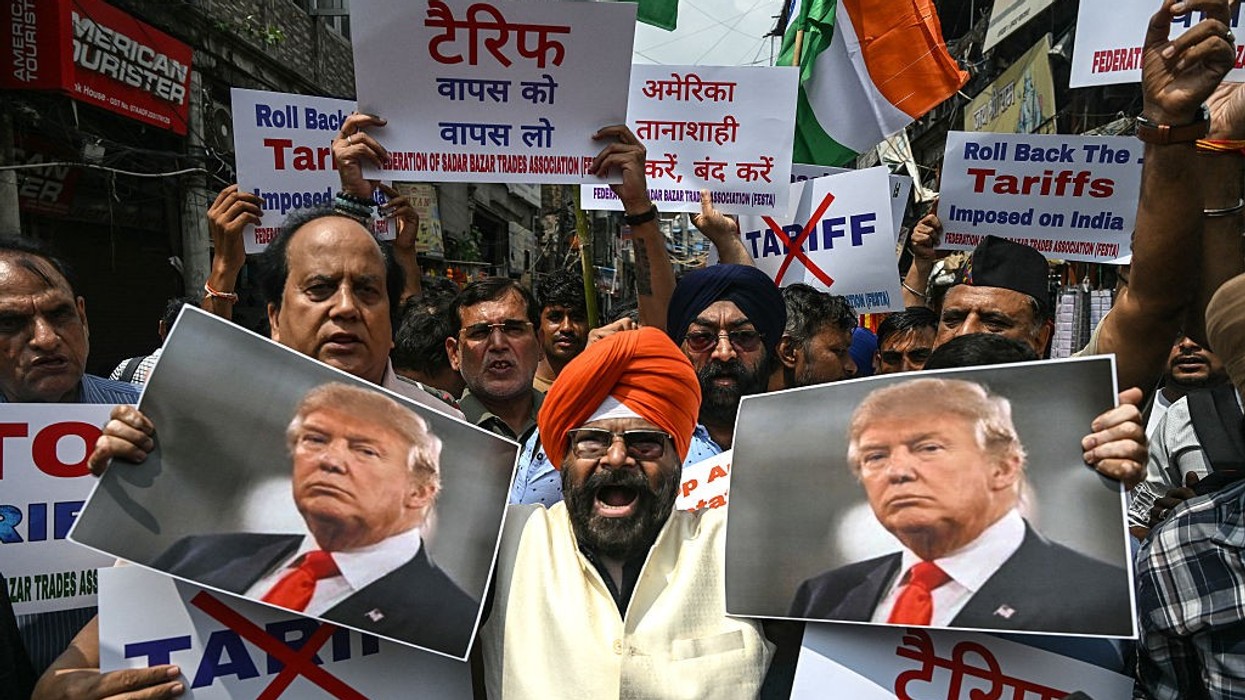
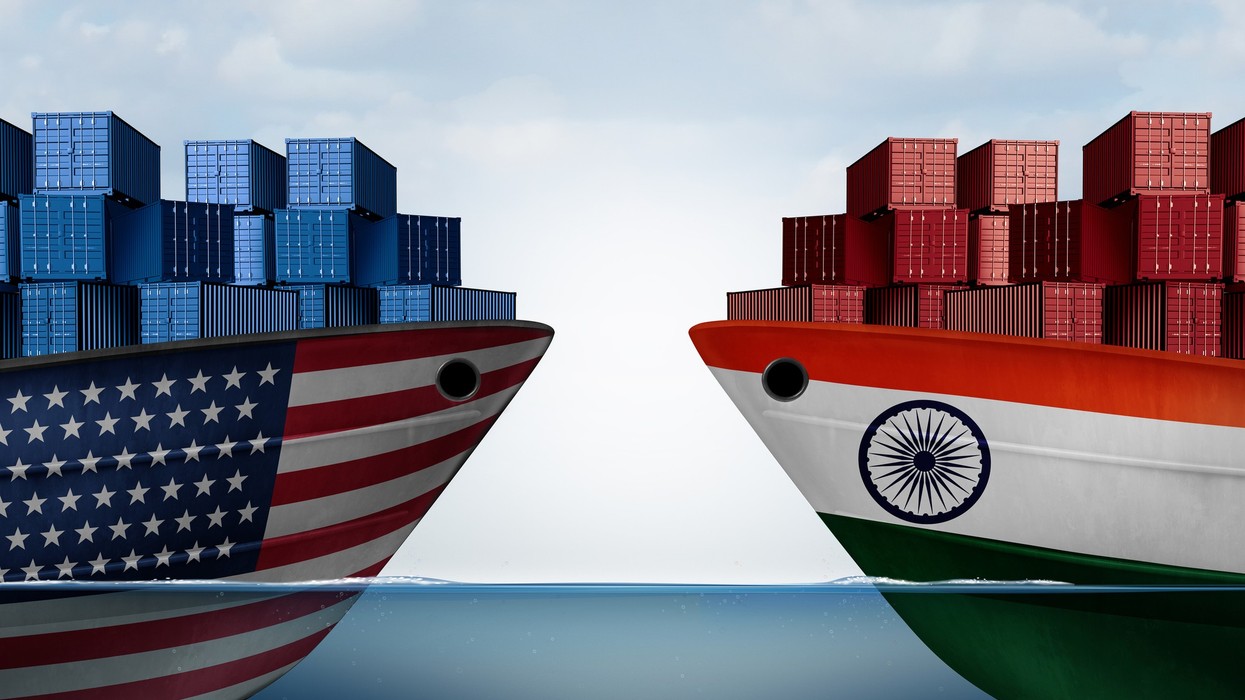
Congress has portrayed the MDR decision as part of a wider pattern of what it sees as India giving in to US pressure. Gandhi's attack comes against the backdrop of wider disagreements between the two countries over trade, tariffs and India's continued purchases of Russian energy.
The Congress has also argued that American-owned or American-linked payment platforms could benefit from changes to the economics of digital payments in India.
The government has rejected that interpretation.
The Finance Ministry said claims that the UPI decision was driven by foreign influence were false, arguing that India's digital-payment policies are made independently with the objective of creating a sustainable and affordable system.
It has also rejected the suggestion that the new framework gives international card networks an advantage over India's domestic RuPay system. The ministry said the latest rules do not provide foreign credit-card networks with a special edge.
There is another important distinction. UPI itself is not being replaced by Visa or Mastercard. UPI remains India's dominant digital payments platform, accounting for a large majority of digital payment volumes, while PhonePe and Google Pay together account for a substantial share of UPI transactions.
The immediate dispute, therefore, is less about whether Americans will suddenly take over UPI and more about who should pay for maintaining and expanding India's enormous digital payments infrastructure.
For the government, the answer is increasingly the merchant on larger transactions. For the Congress, the timing and structure of the decision raise questions about whether India is giving too much ground to foreign payment interests.
For consumers, the immediate change is smaller than the political rhetoric suggests: they are not being charged simply for using UPI, although there remains a question over whether some merchants could try to pass their higher costs on through prices.
That is why the new MDR has become more than a payments policy. It has turned into another test of how India's digital economy, domestic payment ambitions and increasingly complicated relationship with the US fit together.